In an ever-evolving manufacturing landscape, procurement managers and contract manufacturing partner designers consistently seek technologies that balance cost efficiency with high performance. The advent of 60kW lasers marks a significant advancement, promising greater precision and speed. But what are the specific considerations a procurement professional should note when evaluating this technology’s cost efficiency?
Cost Efficiency of 60kW Lasers in Manufacturing by 2026
Evaluating Economic Viability
Industry References
For deeper context on cost efficiency of 60kW lasers standards and best practices, see:
EVA — European Vending Association
and
AWS — American Welding Society.
Lasers have exponentially transformed over the years, from rudimentary cutting applications to high-powered tools capable of complex operations. As of 2022, the global laser cutting machines market was valued at approximately $3.5 billion, with projections to reach over $6 billion by 2027, according to a report by MarketsandMarkets.
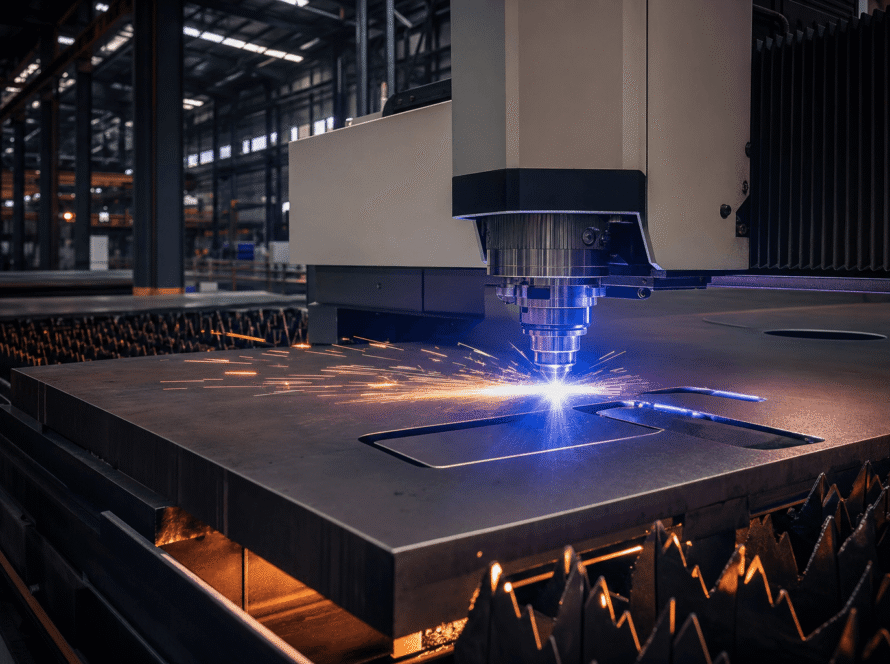
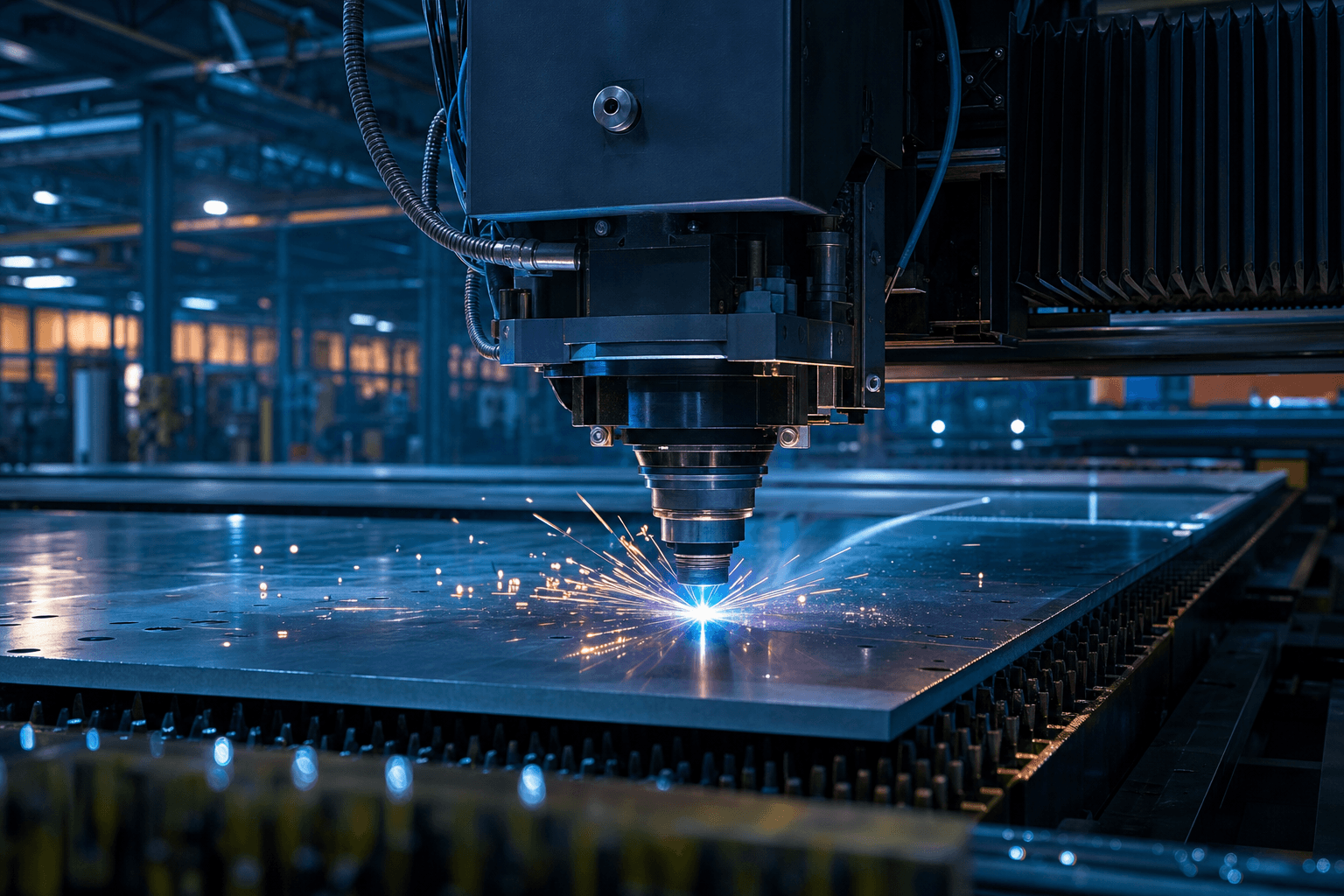
Part of this boom stems from technologies like 60kW lasers, which offer the critical advantage of cutting through thicker materials more rapidly. Compared to their predecessors, which might hover around 6kW, these newer systems can reduce operational time, mitigating total electricity costs and increasing throughput.
However, the initial investment remains significant. A robust cost-benefit analysis should incorporate capital expenditure along with operating costs, frequently dictated by factors such as maintenance, the skill of operating personnel, and energy consumption rates.
Technical Advantages and Capabilities
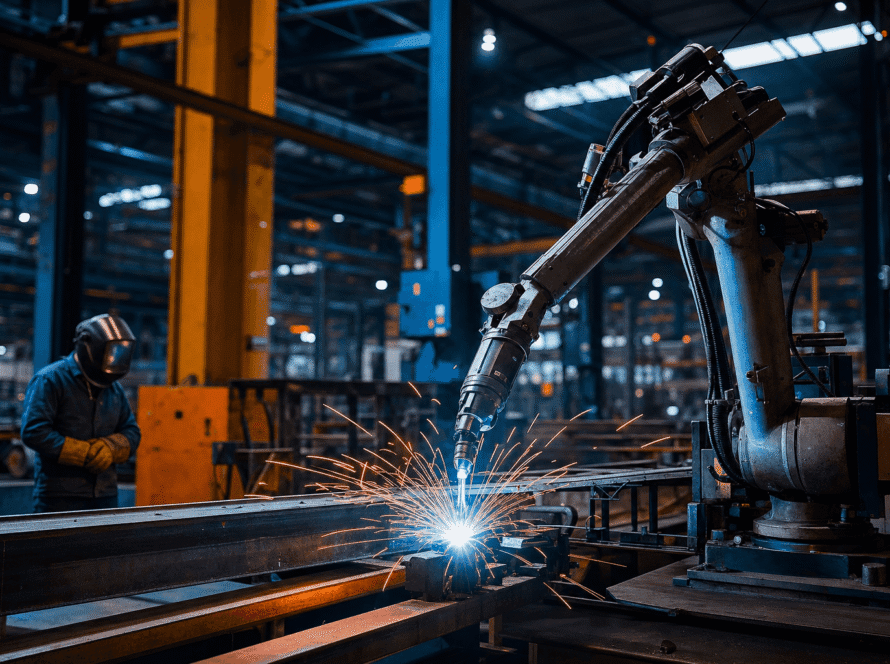
From a technical standpoint, 60kW lasers offer remarkable precision. For example, expect a tolerance as fine as ±0.1-0.2mm when cutting 6mm mild steel, essential for high-spec industries such as consumer electronics and automotive manufacturing. Furthermore, the integrated automation in such systems lowers the traditional reliance on manual workforce, potentially reducing human error and enhancing repeatability.
Automotive applications benefit particularly, given the laser’s ability to handle diverse materials. The versatility of 60kW lasers opens possibilities for complex assemblies involving aluminum, high-strength steel, and composite materials. According to the International Federation of Robotics (IFR), over 30% of new installations in automotive sectors are robotic, highlighting an increased trend towards automation that lasers like these enable.
Standards and Regulations
When investing in 60kW lasers, compliance with regulation standards such as ISO 9001 and IEC 60204 is critical. ISO 9001 ensures quality management systems are in place, providing the traceability and assurance necessary for high-volume manufacturing. Meanwhile, IEC 60204 deals with safety in machinery electrical setups, a consideration when implementing high-power equipment that could impact worker safety.
Regional regulations also play a role. For instance, European markets may demand adherence to specific environmental standards, requiring equipment with improved energy efficiency and reduced emissions.
Strategic Sourcing and Global Trends
Choosing a manufacturing partner with access to leading-edge technologies can make a significant difference. For example, some factories in China, like Dongji Intelligent Equipment in the Dongji factory tour, illustrate this trend by integrating robotic technologies in their operations, achieving labor reduction percentages and operational efficiency that challenge their Western counterparts.
While China remains a dominant player, it’s crucial to consider diversification. The US-China trade tensions have underscored the need for strategic sourcing decisions. An understanding of market shifts, such as increased closer-to-home manufacturing in Mexico, can provide flexibility in supply chain strategies.
Comparison: 60kW Lasers vs. Plasma Cutting
| Feature | 60kW Laser Cutting | Plasma Cutting |
|---|---|---|
| Precision | ±0.1-0.2mm for thin metals | ±0.5mm on average |
| Material Versatility | Excellent with metals & composites | Limited with non-metals |
| Cutting Speed | High, especially for thick metals | Moderate |
| Upfront Cost | Higher initial cost | Moderate |
| Operating Cost | Potentially lower with high utilization | Relatively high due to gas consumption |
Despite the higher initial costs, 60kW lasers offer unparalleled accuracy and long-term operational savings when optimized correctly, especially for precision applications where post-process finishing is minimized.
common manufacturing questions Questions
Q1: How does a 60kW laser improve production rates compared to lower-powered models?
A1: A 60kW laser cuts through thicker materials with greater speed, effectively reducing cycle times. This efficiency translates into higher throughput, helping offset the equipment’s higher initial costs.
Q2: What industries benefit the most from 60kW laser technology?
A2: The automotive and aerospace sectors benefit significantly due to the need for precise cutting of high-strength materials and complex shapes. Electronics and heavy machinery industries are also notable beneficiaries.
Q3: What safety considerations should be factored in when operating high-power lasers?
A3: Compliance with ISO 13849 for machine safety, along with IEC 60204 for electrical systems, is imperative. Safety protocols should include protective clothing, interlocking systems, and adequate training.
In conclusion, as manufacturing continues to ascend into more complex, precision-driven territories, understanding the potent capabilities of 60kW lasers becomes crucial. By balancing upfront costs with long-term operational efficiencies, procurement managers can harness these tools effectively, setting the stage for a new era in manufacturing efficiency.
About This Article
This analysis was prepared with reference to industry data from IFR, ISO, and McKinsey.
For related topics, see our 2026-2030 Industry Outlook
or browse manufacturing capabilities reference.