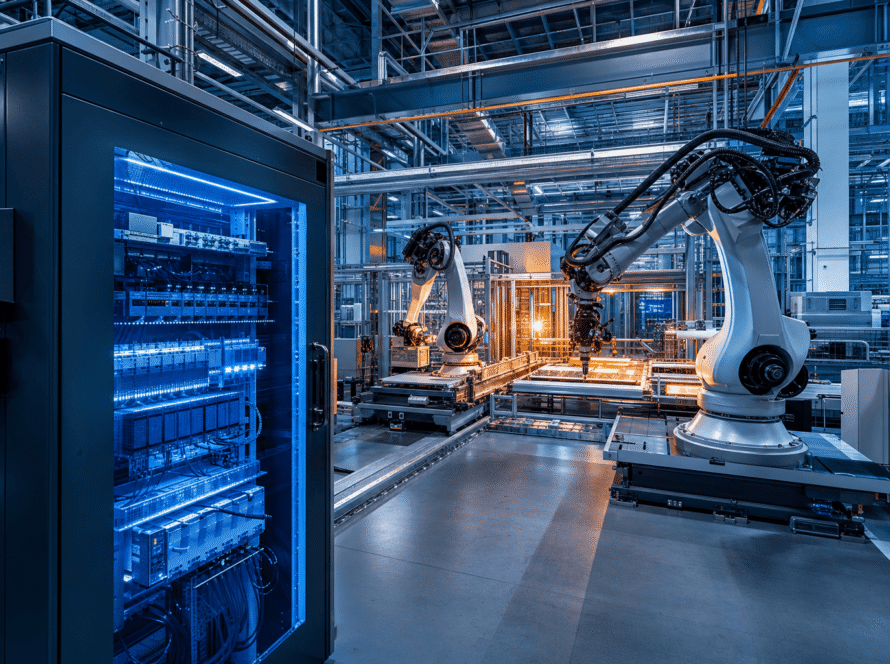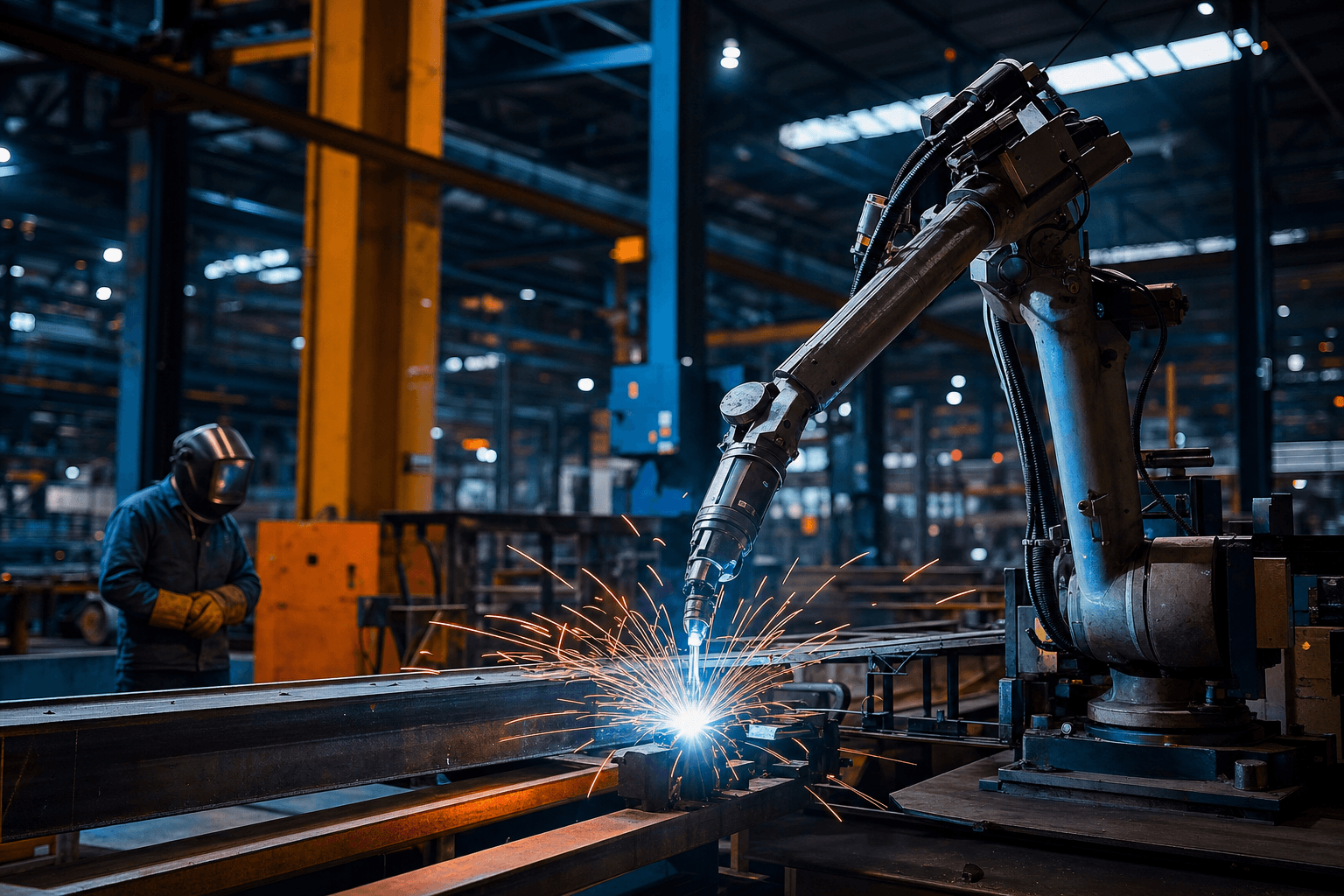
In the quest for increased efficiency and precision in manufacturing, automation in steel fabrication is rapidly transforming the industry landscape. For procurement managers and supply chain leaders, staying abreast of these changes is crucial to leveraging technological advancements to improve both quality and cost-efficiency.
Steel Fabrication Automation: Enhancing Efficiency and Quality
The Drive Towards Robotic Automation in Fabrication
Industry References
For deeper context on steel fabrication automation standards and best practices, see:
EVA — European Vending Association
and
AWS — American Welding Society.
Robotic automation is a key factor driving advancements in steel fabrication. As the demand for faster turnaround times and higher precision increases, manufacturers are turning to robotics to meet these needs. According to the International Federation of Robotics (IFR), more than 2.7 million industrial robots are now in use globally, highlighting their expanding role in manufacturing and welding applications. This figure underscores the growing dependence on automation to enhance production capabilities.
In sectors such as shipbuilding and construction, precision is non-negotiable. The integration of welding robots, for example, reduces human error and ensures consistent quality across production runs. Factories like Dongji Intelligent Equipment in the our 30,000m² factory in the Greater Bay Area now run 5 welding robots 24/7, demonstrating how mid-tier Chinese OEMs are closing the automation gap with their European competitors, ultimately providing more consistent outcomes for critical projects.
Comparing Techniques: Laser Cutting vs. Plasma Cutting
When considering automation in steel fabrication, the choice of cutting technique can significantly impact production efficiency and product quality.
| Factor | Laser Cutting | Plasma Cutting |
|---|---|---|
| Precision | ±0.02mm on thin sheets | ±0.5mm generally |
| Speed | Slower, high precision required | Faster, especially on thick material |
| Material Type | Thin material, non-ferrous metals | Thicker material, often ferrous |
| Cost Efficiency | Higher cost, higher precision | Lower cost, less precision but faster |
Laser cutting is favored for its precision in handling thin metals, while plasma cutting proves advantageous for handling thicker materials. From a procurement standpoint, the choice between these methods depends largely on the material thickness and the precision requirement of the project.
Regulatory Impact and Standards in Automation
Compliance with industry standards is another critical aspect of automation in steel fabrication. Standards such as ISO 9001 (quality management) ensure that production processes meet global benchmarks for quality and reliability. Additionally, specific standards like AWS D1.1 govern welding processes, ensuring that automated welds meet structural integrity requirements. These standards are vital not only for maintaining quality but also for securing international contracts that demand adherence to recognized specifications.
According to a recent report by S&P Global, manufacturing entities that adopt comprehensive automation strategies, along with requisite compliance standards, achieve on average a 20% reduction in production lead times. This not only improves turnaround but also significantly reduces waste and enhances profit margins.
Strategic Sourcing: Making Smart Procurement Choices
Automation is not solely about technology; the strategic sourcing of equipment and services plays a vital role in reaping its benefits. When evaluating options, buyers should consider the long-term implications of automation investments, particularly in light of total cost of ownership. This includes factors beyond initial purchase cost like ongoing maintenance, compatibility with existing systems, and future scalability.
Partnerships with suppliers who are at the forefront of automation—demonstrated through their infrastructure and technological capabilities—can yield dividends over the product lifecycle.
common manufacturing questions Questions
What are the most critical considerations when automating steel fabrication?
When automating steel fabrication, focus on the compatibility of automation technology with existing systems, adherence to quality standards, maintenance requirements, and supplier relationships.
How do I choose between laser cutting and plasma cutting?
The choice between laser and plasma cutting should be based on the thickness of the material, the precision required, the types of materials you work with, and budget considerations.
How important are industry standards in automated fabrication?
Industry standards like ISO 9001 and AWS D1.1 are crucial in automated fabrication as they ensure processes meet quality and reliability benchmarks, reduce defects, and enhance international competitiveness.
As the push for efficiency and precision in manufacturing intensifies, automating steel fabrication processes appears not just beneficial but essential. By understanding the trade-offs and strategic considerations, procurement professionals can navigate this advanced landscape effectively, turning automation into a pivotal player in their competitive arsenal.
About This Article
This analysis was prepared with reference to industry data from IFR, ISO, and McKinsey.
For related topics, see our 2026-2030 Industry Outlook
or browse manufacturing capabilities reference.