Regulations in Industrial Enclosure Design
Meeting Regulatory Standards in Medical Equipment Housing
As the global sheet metal fabrication market is projected to grow from $181.8 billion in 2024 to $272.2 billion by 2030 (Industry research via Dongji 2026-2030 Outlook, 2024-2030), procurement managers in the medical sector face a complex challenge: ensuring compliance with stringent regulatory standards for medical device housing. Understanding the expectations of bodies like the IEC and FDA is essential for selecting materials and designs that safeguard patient health.
Learn more about our our manufacturing process and how we support B2B OEM/ODM projects.
Learn more about our sheet metal fabrication services and how we support B2B OEM/ODM projects.
IEC 60601 Compliance
IEC 60601 is the international standard for medical electrical equipment, specifying general requirements for basic safety and essential performance. It’s imperative for manufacturers to align with these standards to ensure the safety of medical devices. The standard covers a wide range of factors, including electromagnetic shielding, which prevents interference that could affect device functionality.
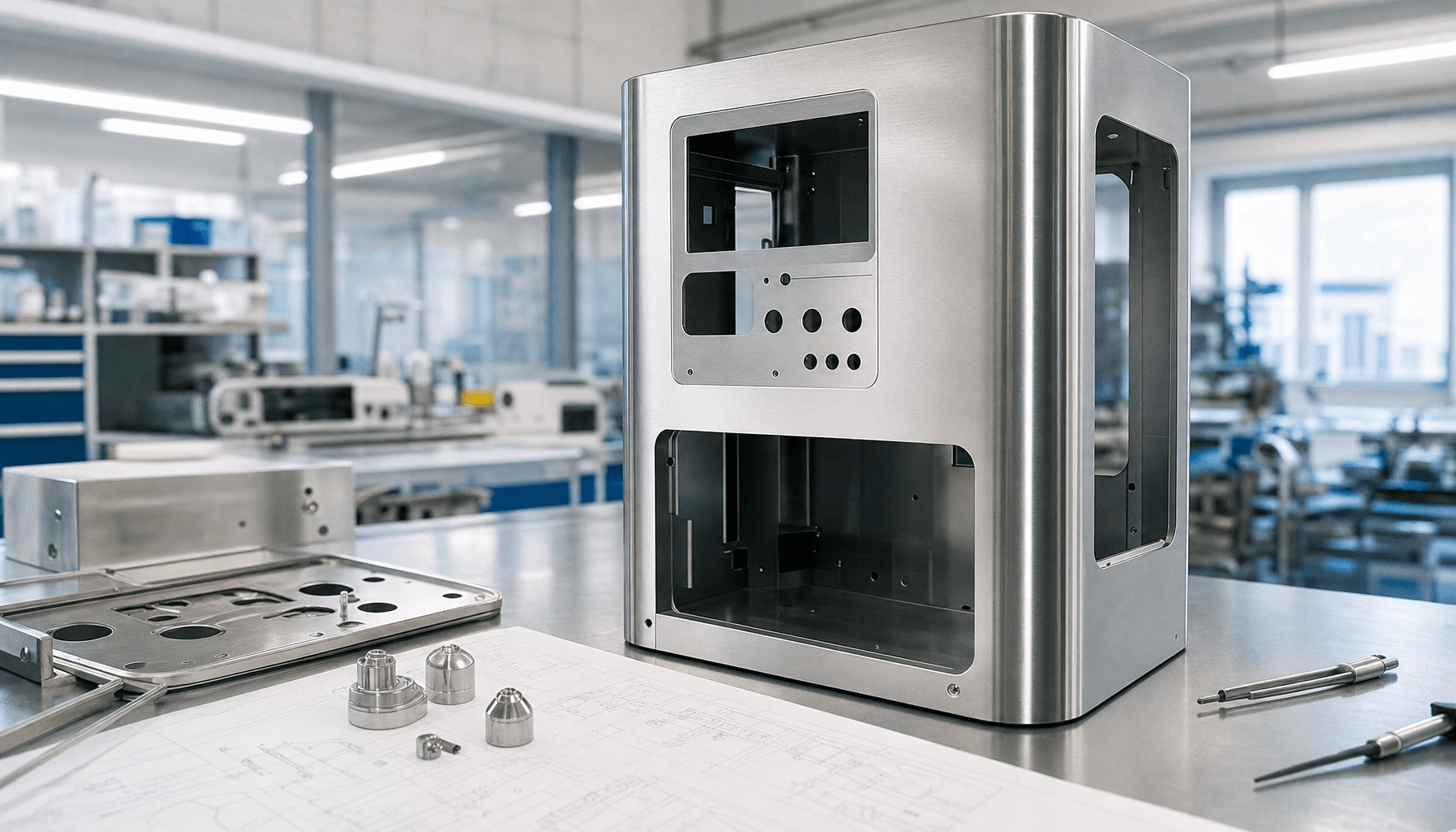
Stainless steel, often used in medical equipment housing due to its robustness and hygienic properties, must be carefully designed to meet these specifications. The challenge lies in balancing material strength with the flexible designs needed for high-performing medical devices.
FDA Cleanroom Standards
The FDA’s cleanroom standards are another critical consideration. These guidelines ensure that manufacturing environments maintain the cleanliness required to minimize contamination risks. For procurement managers, sourcing equipment produced in such environments is non-negotiable to meet regulatory demands.
An industry player like Dongji Intelligent Equipment exemplifies the trend towards advanced factory setups designed to meet these rigorous standards. By implementing state-of-the-art technology in their manufacturing processes, they align with the precision requirements expected by regulatory bodies.
Key Material Considerations
Material selection plays an essential role in meeting compliance requirements. Stainless steel is preferred for its corrosion resistance and ease of sterilization. The balance of material choice with regulatory compliance underlines the need for collaborative partnerships between procurement managers and manufacturers.
Moreover, considering global production trends such as China’s aluminum output of 45 million metric tons (Statista, 2025), there’s a marked shift towards utilizing versatile materials that offer both cost-effectiveness and compliance.
FAQ
- What is IEC 60601?
The IEC 60601 is an international standard for medical electrical equipment dictating safety and performance requirements. - Why is stainless steel used in medical device housing?
Stainless steel is favored for its durability, ease of sterilization, and resistance to corrosion. - How do cleanroom standards affect procurement?
FDA cleanroom standards ensure that the manufacturing environment is contamination-free, impacting where procurement managers source their equipment.
Industry References
Version 1.0 — Published August 21, 2026 · Editorial review window: 90 days