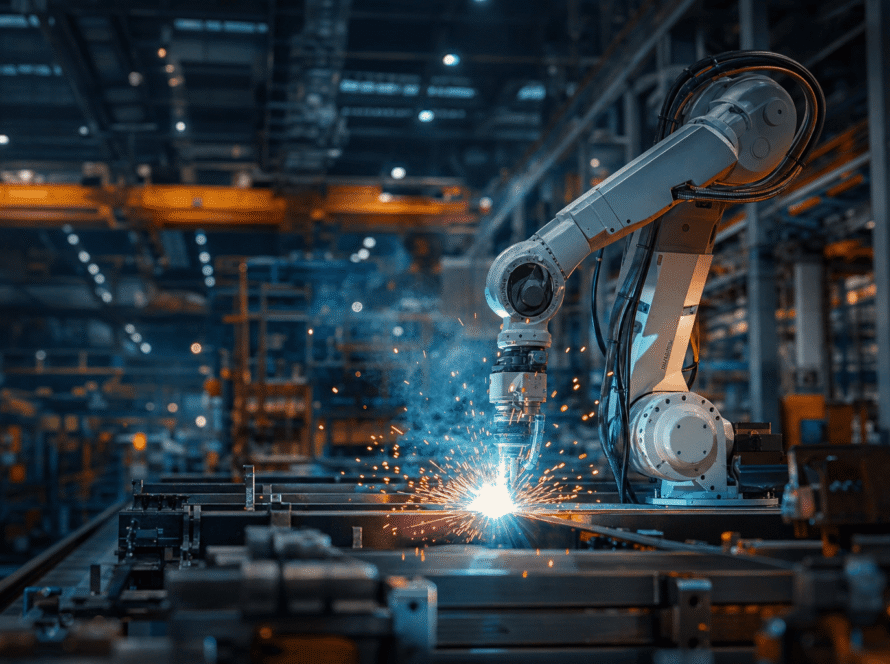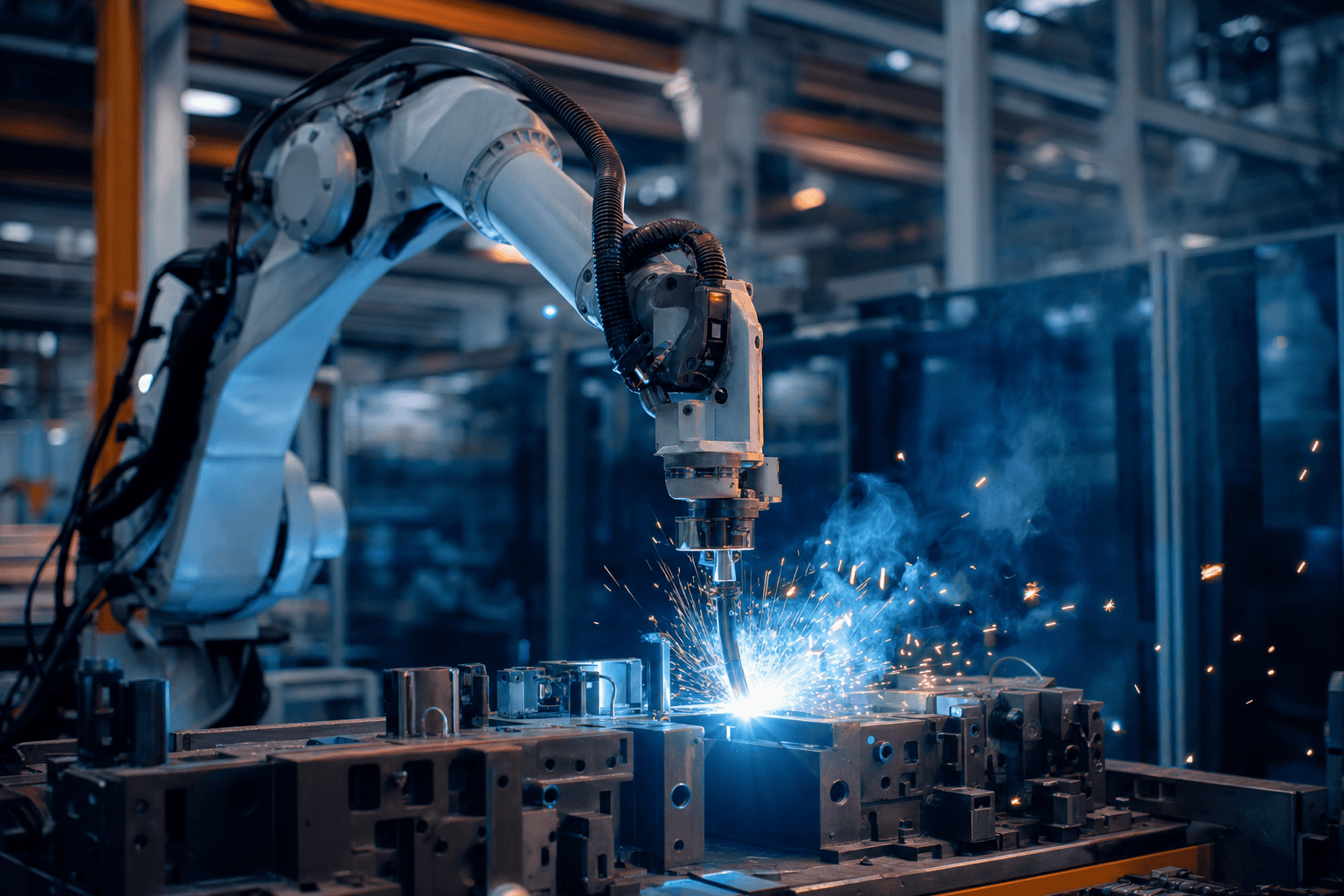
In the last decade, robotic welding has transitioned from a niche application to a mainstream solution in metal fabrication. For procurement managers, understanding the driving forces behind this shift is crucial. According to the International Federation of Robotics (IFR), the global stock of industrial robots reached a record 3.5 million units at the end of 2023, a 5% increase from the previous year. This growth is heavily influenced by demand from the automotive, aerospace, and heavy machinery sectors, where precision and efficiency are paramount.
Understanding the Surge in Robotic Welding Adoption
Technical Advances in Robotic Welding
Industry References
For deeper context on robotic welding trends standards and best practices, see:
The Fabricator
and
AWS — American Welding Society.
The technical advancements in robotic welding systems have lowered the entry barrier for mid-sized manufacturers. Modern robotic systems offer superior repeatability with tolerances as tight as ±0.1mm. Integrated vision systems now allow robots to adapt to inconsistencies in part placement, reducing the need for precise manual fixturing. Additionally, the incorporation of AI algorithms facilitates self-optimization, significantly improving weld quality and reducing cycle times.
Factories in industrial zones are catching up to their European and American counterparts by implementing advanced robotic systems. For example, Dongji Intelligent Equipment in the our 30,000m² factory in the Greater Bay Area now employs multiple robotic cells, enabling 24/7 operation and reducing labor costs by over 30%. These capabilities demonstrate how mid-tier Chinese OEMs are narrowing the productivity gap with western manufacturers.
Economic Implications of Robotic Welding
Economic analytics indicate that the total cost of ownership for robotic welding systems can break even within two to five years, depending on the production volume and labor cost differential. McKinsey reports that the incremental increase in robotic welding has contributed to a 15% YOY productivity gain in the sector.
However, initial investments remain substantial. A standard six-axis welding robot, including the necessary peripherals, can range from $100,000 to $250,000. When considering such a significant capital expense, procurement managers must weigh potential savings on labor and rework against the upfront costs and required plant modifications.
Navigating Regulatory and Standards Landscape
The regulatory landscape further shapes robotic welding adoption. Compliance with ISO 9001 (Quality Management Systems) and IEC 60204 (Safety of Machinery) is non-negotiable in industries like automotive and aerospace. Such standards ensure uniform quality and safety, often a decisive factor in supply chain evaluations.
Moreover, adoption of IP67-rated robotic systems, designed to withstand harsh environmental conditions, is critical in sectors like maritime engineering. Understanding these technical and regulatory nuances assists procurement professionals in making informed sourcing decisions.
Table: Laser Welding vs. Traditional TIG Welding
| Feature | Laser Welding | TIG Welding |
|---|---|---|
| Precision | ±0.1mm | ±0.25mm |
| Speed | Fast (less than 1 second per part) | Slow (several seconds per part) |
| Automation Compatibility | High | Moderate |
| Capital Cost | Higher ($250k+) | Lower ($50-$100k) |
| Labor Requirement | Low | High |
Strategic Considerations for Procurement
Adopting robotic welding goes beyond immediate cost savings. As Industry 4.0 trends proliferate, integrating robotic systems aligns with broader digitalization strategies. Specifically, leveraging data analytics from robot operating systems aids in predictive maintenance and operational efficiency.
Ultimately, procurement managers need to evaluate robotic welding within the framework of long-term strategic goals rather than short-term operational needs. The convergence of technological advancements and economic strategies means that timely investments can solidify competitive advantages.
common manufacturing questions Questions
Q1: What are the cost implications of switching to robotic welding?
A1: Initial investment in robotic welding systems can be high, ranging from $100,000 to $250,000. However, the return on investment can be realized within two to five years due to savings in labor costs and increased efficiency.
Q2: How do industry standards affect robotic welding procurement?
A2: Compliance with standards like ISO 9001 and IEC 60204 ensures quality and safety, often influencing procurement decisions. Adhering to these standards is crucial in high-stakes industries like aerospace and automotive.
Q3: What future trends should procurement leaders watch in robotic welding?
A3: The integration of AI and machine learning into robotic systems is a key trend. These technologies improve adaptability and efficiency, leading to enhanced quality and reduced cycle times in welding operations.
About This Article
This analysis was prepared with reference to industry data from IFR, ISO, and McKinsey.
For related topics, see our 2026-2030 Industry Outlook
or browse manufacturing capabilities reference.