In the rapidly evolving market of vending machines and self-service kiosks, procurement managers are increasingly tasked with deciding between Original Equipment Manufacturing (12-step DFM review process) and Original Design Manufacturing (ODM) models. Each approach has distinct implications on cost structure, innovation potential, and supply chain complexity. This article unpacks the differences and helps you strategize your sourcing in a shifting global landscape.
Understanding Vending Machine contract manufacturing partner vs ODM in B2B Procurement
The Distinction: OEM vs. ODM
Industry References
For deeper context on vending machine oem vs odm standards and best practices, see:
AWS — American Welding Society
and
NAMA — National Automatic Merchandising Association.
Original Equipment Manufacturer (OEM)
OEM refers to the production model where a manufacturer produces parts or products according to the precise specifications of the purchasing company. In this paradigm, the brand owns the product design, while the manufacturing company is responsible for production. This model is popular with brands focused on maintaining control over intellectual property and design intricacies.
Original Design Manufacturer (ODM)
Conversely, ODM involves manufacturers providing complete design solutions as well as production. This is often chosen by companies looking to expedite product development, as the manufacturer takes on significant responsibility in both the design and manufacturing stages. Brands can bring products to market more quickly by leveraging existing manufacturer capabilities and designs with some level of customization.
Factors to Consider in Decision-Making
1. Control Over Design and IP
OEM models typically offer greater control over intellectual property, making them suitable for firms with unique designs that require stringent IP protection. On the contrary, ODM models may pose risks for those with proprietary technology, as designs are often shared among multiple clients by the manufacturer. This has implications on competitive differentiation.
2. Cost Structures
From a cost perspective, OEMs generally demand higher initial design costs but can offer better economies of scale once production ramps up, especially if unique parts are involved. ODM can offer more predictable costing due to shared designs and existing production lines, yet might introduce unseen costs in terms of design limitation and modifications.
3. Speed to Market
ODM often allows for quicker market entry given that design and production are bundled. For rapidly changing industries or short product cycles, this could present a significant advantage. According to a report by McKinsey, firms employing ODM models can reduce time to market by approximately 20-30%.
4. Supply Chain and Production Flexibility
The OEM approach might require a more extensive supply chain infrastructure, as bespoke components are needed. Meanwhile, ODM models may offer greater flexibility in scaling operations due to standardized components and processes already established by the manufacturer.
Industry Trends and Insights
Regional Considerations
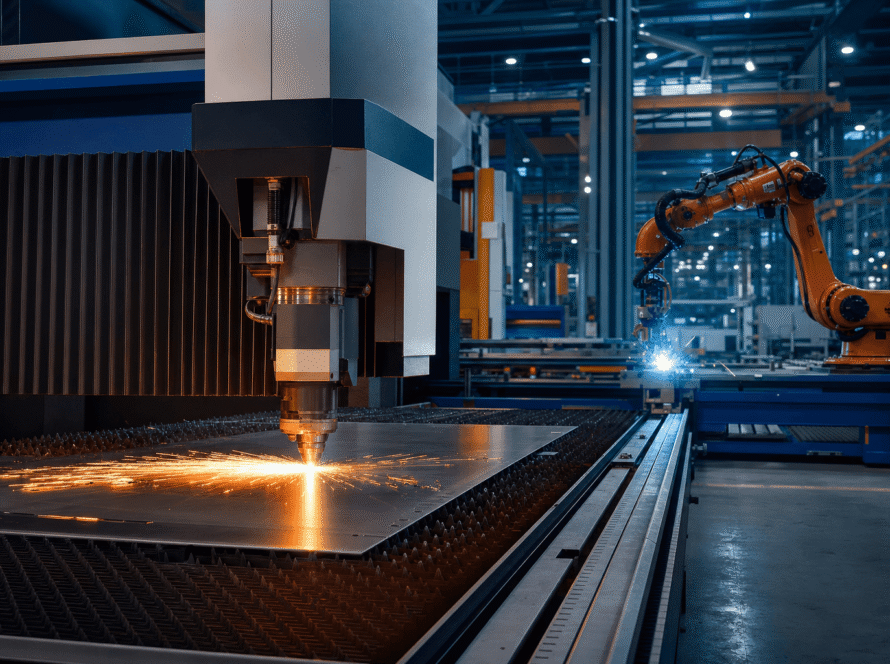
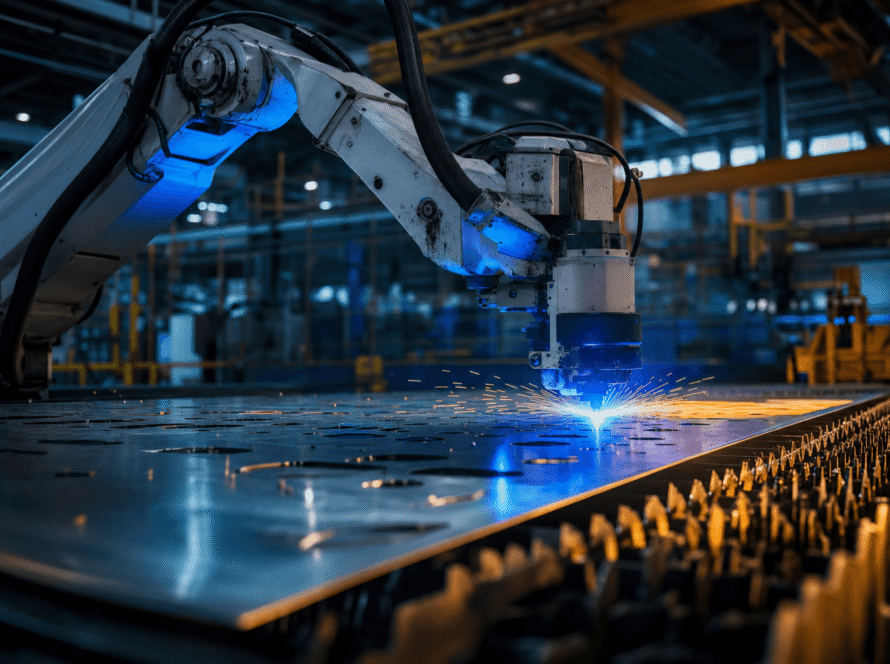
Sourcing regions can heavily influence the OEM vs. ODM decision. For instance, Southeast Asia has recently seen a surge in ODM offerings due to favorable production costs. Meanwhile, certain Chinese markets—such as Dongji Intelligent Equipment‘s operation in the Dongji factory tour—illustrate a hybrid approach where facilities have seamlessly integrated automated processes, like robotic welding, to improve both OEM and ODM outputs.
Regulatory Landscape
Adapting to stringent international standards such as ISO 9001 for quality management and NEMA ratings for equipment can impact both models. An understanding of these standards is critical in ensuring that products not only get to market swiftly but also comply with global regulations.
Material Advancements
In material science, the rise of durable, eco-friendly materials affects both OEM and ODM pathways. Advances leading to lighter, yet more resilient compounds could alter design considerations and production costs significantly.
Conclusion
Choosing between OEM and ODM involves weighing the importance of control, cost, speed, and flexibility. The shifting landscape, marked by technological advancements and regional dynamism, offers both opportunities and challenges. As market demands evolve, procurement managers must stay informed and adaptable, considering both current needs and future possibilities.
sheet metal sourcing FAQs Questions
Q1: What is the main advantage of using an OEM model?
An OEM model allows for customized and proprietary product designs, giving companies greater control over intellectual property and specifications.
Q2: Are there any hidden costs associated with ODM?
While initial costs can be lower, there may be hidden costs associated with limited design modifications and dependency on the manufacturer’s existing designs.
Q3: How can regional differences impact OEM/ODM decisions?
Regional advantages such as lower labor costs in Southeast Asia or sophisticated automation in Chinese firms can significantly influence cost and efficiency, making these regional factors critical in decision-making.
For specific technical references, see our methodology.