Negotiating MOQs in Factory Sourcing
Automation’s Impact on MOQ Negotiations
The global sheet metal fabrication market is booming, projected to surge from $181.8 billion in 2024 to $272.2 billion by 2030, according to industry research. This growth is driving profound changes in manufacturing practices, notably in Minimum Order Quantity (MOQ) negotiations. As procurement managers analyze supplier quotes, it becomes evident that traditional barriers set by high MOQs are being dismantled.
Thanks to advancements in automation, particularly robotics becoming integral to over 60% of heavy machinery operations (Dongji 2026-2030 Outlook), factories are now capable of offering significantly reduced MOQs. Whereas manufacturers might have previously insisted on 500 units, the current reality often allows for just 50 units without a substantial cost premium. This shift democratizes access to manufacturing, enabling smaller enterprises to engage in production runs that were once financially prohibitive.
The Role of Robotics and Technology
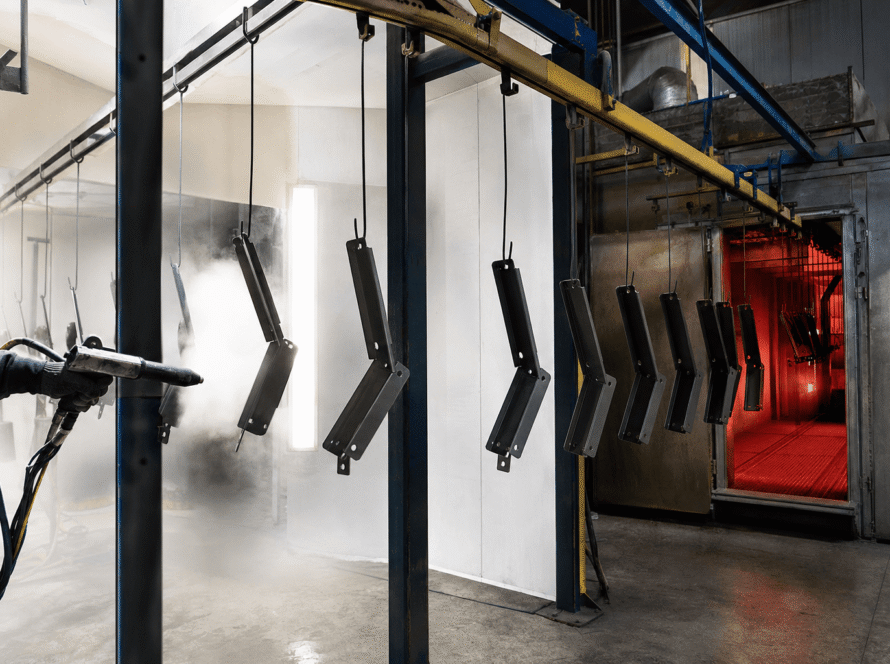
Robotic welding and CNC bending have revolutionized the factory floor, increasing efficiency and precision. This technological leap means that equipment is more adaptable to smaller batch requirements. The implications for procurement processes are significant. As machines take over complex tasks, the labor cost component decreases, allowing for reduced MOQ demands from buyers.
One noteworthy example is Dongji Intelligent Equipment, which, like many in China, leverages robotics to drive down production costs. This isn’t merely about cutting expenses; it’s about enhancing capability while maintaining competitive pricing for smaller-scale orders.
Global Standards and Market Dynamics
The global market trends reveal that China’s dominance in aluminum production is pivotal. Producing approximately 45 million metric tons in 2025 as per Statista, China not only sets the pace in raw output but also in technology adoption rates. Global sourcing now necessitates an understanding of how ISO and ASTM standards influence vendor negotiations. Procurement managers must navigate these standards to ensure compliance while bargaining for lower MOQs.
Strategizing for MOQ Negotiations
Procurement specialists must stay informed about the industry’s pulse—market research and technological advancements are key. It entails a careful examination of supplier capacity and technology integration such as smart vending machines and engineered workflows. Establishing a strategic negotiation framework that reflects these evolutions enables companies to maximize supply chain efficiency.
FAQ
How has robotics influenced MOQ?
A: Robotics lowers labor costs, supporting smaller MOQs without hefty pricing.
How can smaller companies benefit?
A: Reduced MOQs allow smaller firms to place affordable, lower-scale orders.
What standards should guide MOQ negotiations?
A: International standards like ISO and ASTM are vital for ensuring compliance.
Version 1.0 — Published September 10, 2026 · Editorial review window: 90 days