Manufacturers and procurement professionals frequently face the challenge of selecting between laser cutting and plasma cutting when it comes to custom sheet metal fabrication. The decision between these two technologies can significantly impact costs, production efficiency, and precision, each crucial factors in modern manufacturing environments.
Cutting Through the Confusion: Laser Cutting vs Plasma Cutting
The Technical Breakdown
Industry References
For deeper context on laser cutting vs plasma cutting standards and best practices, see:
FABTECH
and
SMACNA — Sheet Metal Contractors Association.
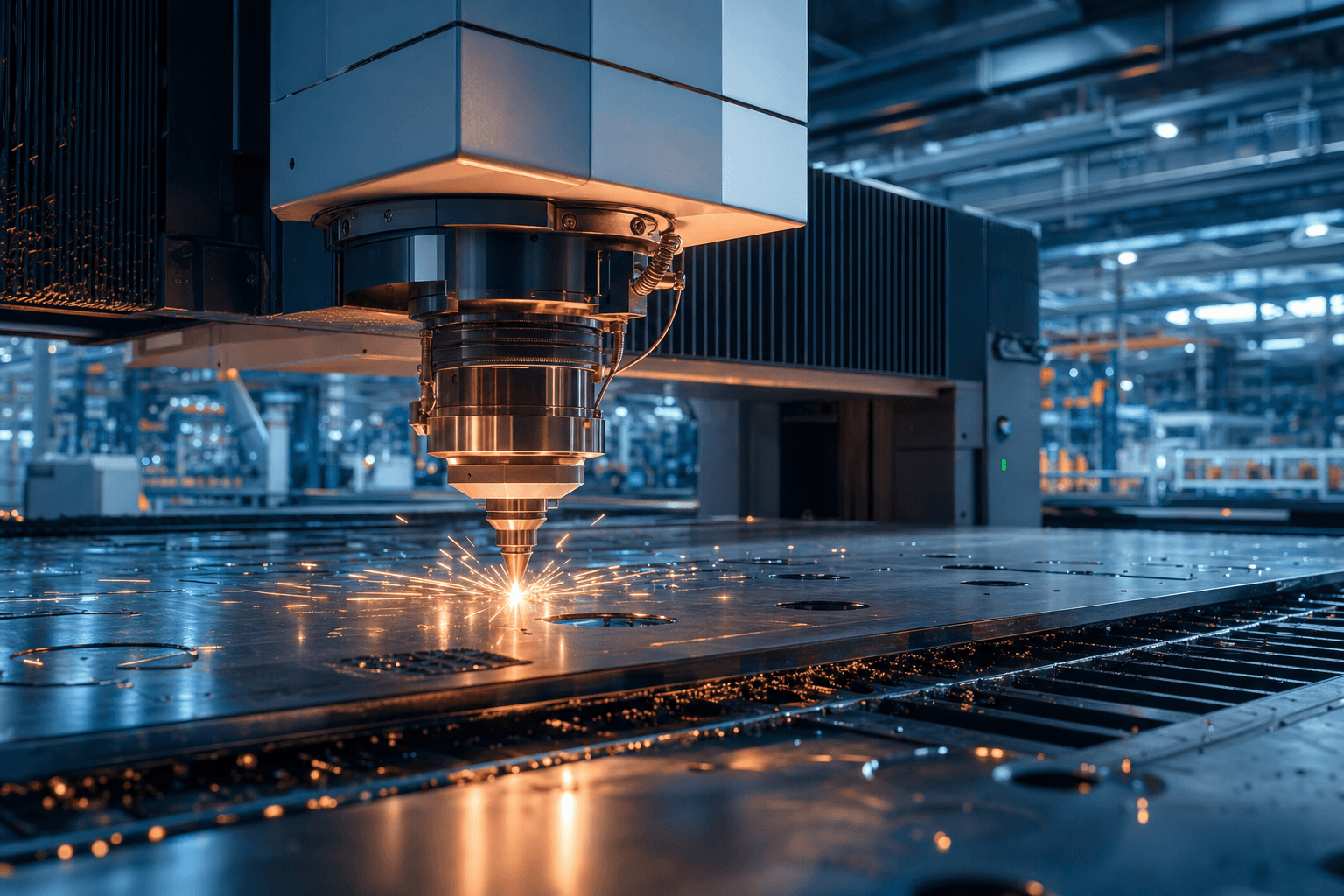
Laser cutting utilizes a high-powered laser to melt, burn, or vaporize material, providing incredibly precise cuts. This method excels in cutting thin sheets, typically up to 6 mm, with tolerances typically ranging from 0.1 to 0.2 mm. On the other hand, plasma cutting relies on an accelerated jet of hot plasma to cut through electrically conductive materials, making it more suitable for thicker materials beyond 10 mm, albeit with a looser tolerance in the range of ±0.5 mm.
When determining the appropriate method, thickness and material type play decisive roles. According to the American Welding Society, plasma cutting technology is less effective on thin aluminum and stainless steel as compared to laser cutting, due to potential thermal distortion issues.
Economic Factors: Cost and Efficiency
The initial investment in a laser cutting machine is generally higher than that for plasma cutters. According to a report by S&P Global, a high-performance industrial laser cutting machine can range from $250,000 to $1,000,000, whereas advanced plasma cutters trend lower at $100,000 to $300,000. Despite the larger upfront cost, laser cutting often outshines plasma cutting in terms of operational costs per cut due to its precision and reduced post-processing requirements. However, the choice of technology also affects long-term overall efficiency.
For instance, some Chinese factories — like Dongji Intelligent Equipment in the Dongji factory tour — have invested heavily in robotic welding, which now accounts for over 30% of fabrication labor reduction industry-wide. Such trends underscore the importance of automation and future-proofing production lines in maintaining competitive advantage.
Compliance and Quality Standards
To ensure quality and compliance with international standards, many manufacturing agreements now mandate ISO 9001 our 100+ technical patents, which focusses on a company’s internal quality management systems. In addition, the International Electro-technical Commission’s IEC 60204 standard provides crucial safety specifications for machine operations. These standards ensure both laser and plasma cutting facilities maintain a consistent quality check, enabling buyers to choose based on verified quality marks rather than price alone.
Tackling Strategic Supplier Partnerships
A strategic approach urges buyers to look beyond immediate cost considerations, emphasizing the value of long-term supplier relationships. Investing in suppliers who are committed to continuous technological upgrades can offer competitive advantages. For instance, Industry 4.0 facilities with integrated ERP and MES systems can facilitate seamless quality control and reduce operational delays, representing a valuable partnership quality to procurement managers.
Comparative Summary Table: Laser vs Plasma
| Aspect | Laser Cutting | Plasma Cutting |
|---|---|---|
| Material Thickness | Best for materials up to 6mm | Suitable for thick materials >10mm |
| Precision | 0.1-0.2 mm tolerance | ±0.5 mm tolerance |
| Investment Cost | $250,000 – $1,000,000 | $100,000 – $300,000 |
| Operational Costs | Lower due to reduced post-processing | Higher, especially for thin sheets |
| Speed | Slower for thick materials | Faster for materials >10mm |
OEM buyer FAQ Questions
Q1: What factors should I consider when choosing between laser and plasma cutting?
A: Consider material type and thickness, desired cut quality, initial investment, operational costs, and the importance of automation and speed in your production environment.
Q2: How do laser and plasma cutting impact material distortion, and is one better than the other for specific metals?
A: Laser cutting offers less thermal distortion compared to plasma, especially in thin aluminum and stainless steel, making it ideal for detailed and precise work.
Q3: Are there industry-specific compliance standards for laser and plasma cutting facilities?
A: Yes, facilities often adhere to ISO 9001 and IEC 60204 standards for quality and safety, ensuring reliable and compliant output essential for client satisfaction and regulatory adherence.
Each cutting method comes with its own set of advantages and trade-offs. Navigating these requires a clear understanding of your specific industry needs and future operational goals. As manufacturing technology strides forward, the choice between laser and plasma cutting will continue to evolve, shaped by advancements in automation and efficiency.
About This Article
This analysis was prepared with reference to industry data from IFR, ISO, and McKinsey.
For related topics, see our 2026-2030 Industry Outlook
or browse manufacturing capabilities reference.