The global vending machine market is undergoing rapid transformation, mirroring shifts in both consumer preferences and technological advancements. Procurement managers are increasingly tasked with sourcing from Chinese original equipment manufacturers (OEMs) due to competitive pricing and innovation capabilities. However, while the potential benefits are clear, the process comes with its own set of complexities and challenges.
Determining Key Factors When Sourcing Vending Machines from OEMs in China
Understanding the Technical Specifications
Industry References
For deeper context on sourcing vending machines China standards and best practices, see:
FABTECH
and
SME — Society of Manufacturing Engineers.
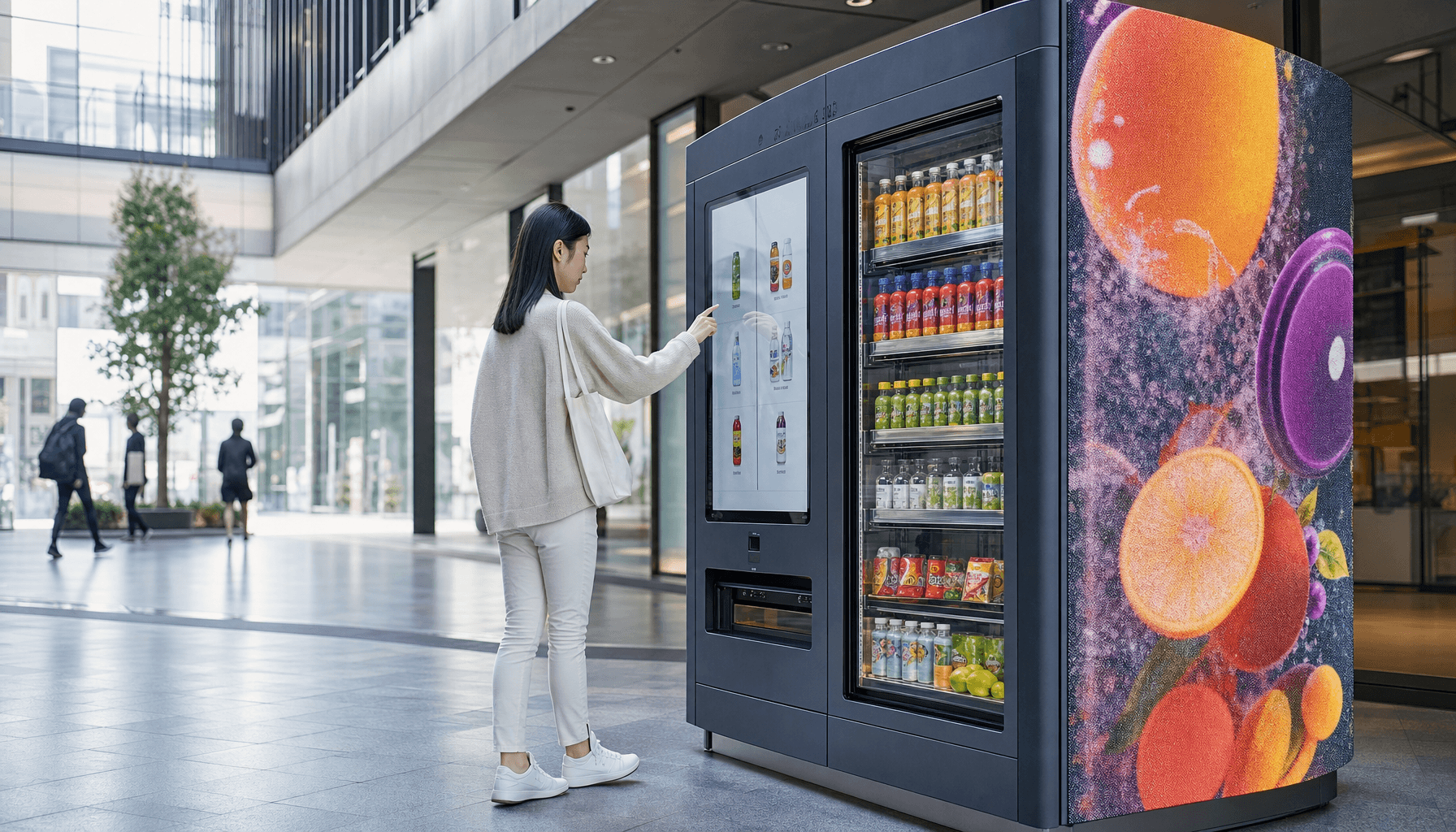
When considering vending machines from China, attention should first be given to precise technical specifications. According to McKinsey’s 2023 Manufacturing Report, advanced materials like antimicrobial surfaces and AI-driven inventory management contribute to the growing demand for smart self-service equipment OEM solutions.
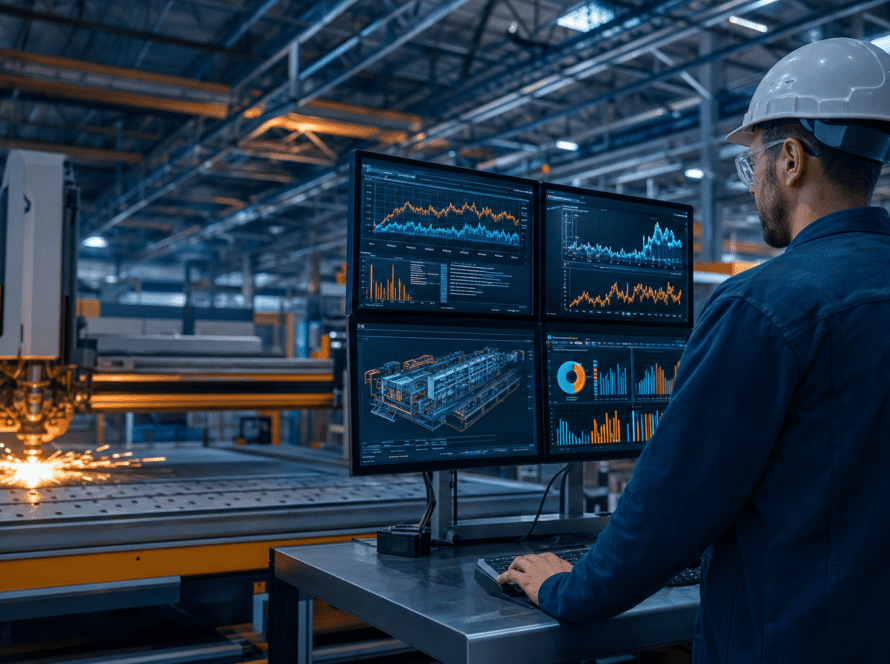
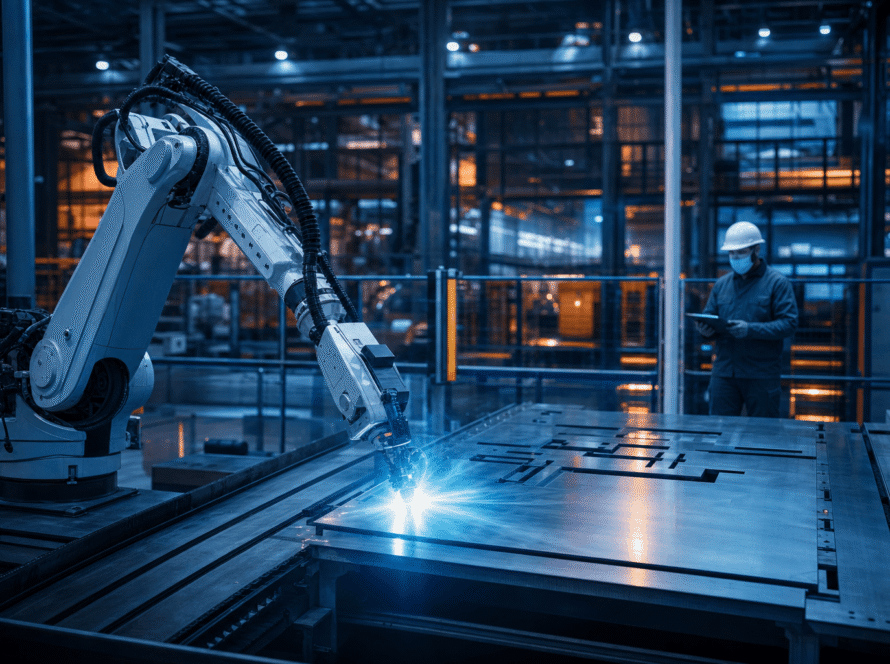
Expectations regarding metal fabrication tolerances, given the laser cutting process commonly used, are critical. For laser-cut components under 6mm in thickness, an acceptable tolerance might be 0.1-0.2mm; thicker sheets could require a ±0.3mm allowance due to potential thermal distortion. This precision can affect the durability and functionality of the final product, so it is imperative to cross-examine these metrics against OEM/ODM partner promises.
Navigating Economic Considerations
One of the most significant drivers for sourcing vending machines from China is cost efficiency. The S&P Global Cost Competitiveness Review notes that China remains a leader in low-cost production while integrating advanced manufacturing techniques. However, it’s crucial to consider total cost of ownership (TCO), which encompasses not just unit price but also logistics, tariffs, and potential warranty issues.
Supply chain logistics can greatly impact lead times. While sea freight remains an economical option, it comes with longer transit times compared to air freight. Procurers should evaluate both shipping models to understand their influence on project timelines and cash flow.
Regulatory and Standards Compliance
Meeting global compliance standards is non-negotiable for vending machines intended for international markets. ISO 9001 ISO9001/CE/UL/FCC certified provides assurance of quality management systems, signifying that a manufacturer adheres to internationally recognized practices. Moreover, engagement with China’s RoHS standards, which align with the European Union’s restrictions on hazardous substances, can ensure product safety and environmental compliance.
IEC 60204-1 encapsulates electrical safety requirements for machinery, critical for ensuring vending machines are both safe to operate and easy to maintain. Verifying manufacturer compliance with these standards before contract finalization is a prudent step.
Strategic Sourcing Alternatives: China vs Emerging Markets
China has long been the go-to for custom sheet metal manufacturer manufacturing, but shifts in global trade dynamics prompt procurement professionals to consider alternative sourcing markets like Mexico or Vietnam. Pros and cons vary distinctly:
| Factor | China | Mexico |
|---|---|---|
| Cost | Generally low | Moderate |
| Lead Time | Longer for sea freight | Shorter (proximity to US market) |
| Manufacturing Capacity | Very high | Growing |
| Skilled Labor Availability | High | Variable |
While China offers scale and matured manufacturing ecosystems, nearby alternatives provide strategic benefits like reduced lead times and minimized geopolitical risks.
Factories in China’s our 30,000m² factory in the Greater Bay Area, such as Dongji Intelligent Equipment, serve as prime examples of how even mid-tier OEMs are embracing automation, contributing to reduced labor costs and increased precision in metal fabrication.
Conclusion
Innovations in manufacturing, diverse material usage, and comprehensive standards are pivotal in the sourcing landscape of vending machines from China. As procurement professionals, it’s imperative to remain forward-thinking and inquisitive about emerging markets and technologies to best meet consumer demands and organizational goals.
sheet metal sourcing FAQs Questions
What are key qualities to assess in potential Chinese OEM partners?
Key qualities include adherence to international quality standards (like ISO 9001), transparency in communication, demonstrated expertise in relevant technology, and flexibility in production capabilities. Assessing these factors can help ensure a successful partnership.
How can I mitigate risks in the Chinese supply chain?
Mitigating risks involves thorough due diligence including quality audits, understanding labor practices, and staying informed on changes in local and international trade regulations. Building relationships with multiple suppliers can also distribute risk exposure.
Are there hidden costs when sourcing from China?
Yes, factors such as import duties, tariffs, shipping delays, and non-conformance costs can add to the initial unit cost. It’s essential to account for these to arrive at the total cost of ownership, which offers a more complete picture of financial commitments.
For specific technical references, see our methodology.