The sourcing of sheet metal components, whether for automotive assemblies, consumer electronics, or industrial machinery, has consistently posed challenges to procurement managers. With rapid advancements in technology and evolving global supply chain dynamics, the landscape is far more nuanced today. From technological innovations to detailed regulatory standards, many factors now dictate the efficiency and efficacy of sourcing decisions.
Navigating the Complexities of Sourcing Sheet Metal Components
The Technological Shift: Automation in custom sheet metal fabrication
Industry References
For deeper context on sourcing sheet metal components standards and best practices, see:
PMA — Precision Metalforming Association
and
SME — Society of Manufacturing Engineers.
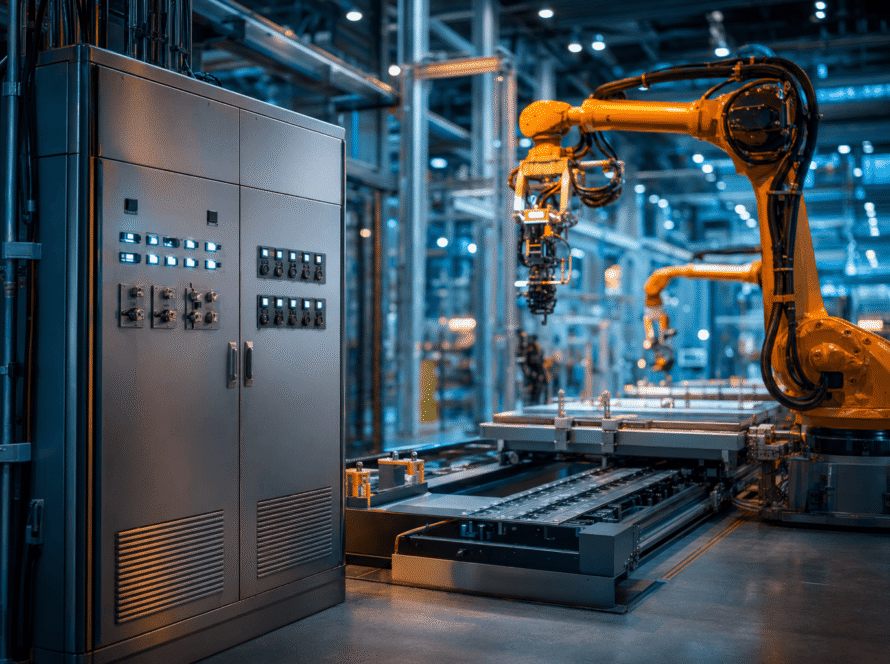
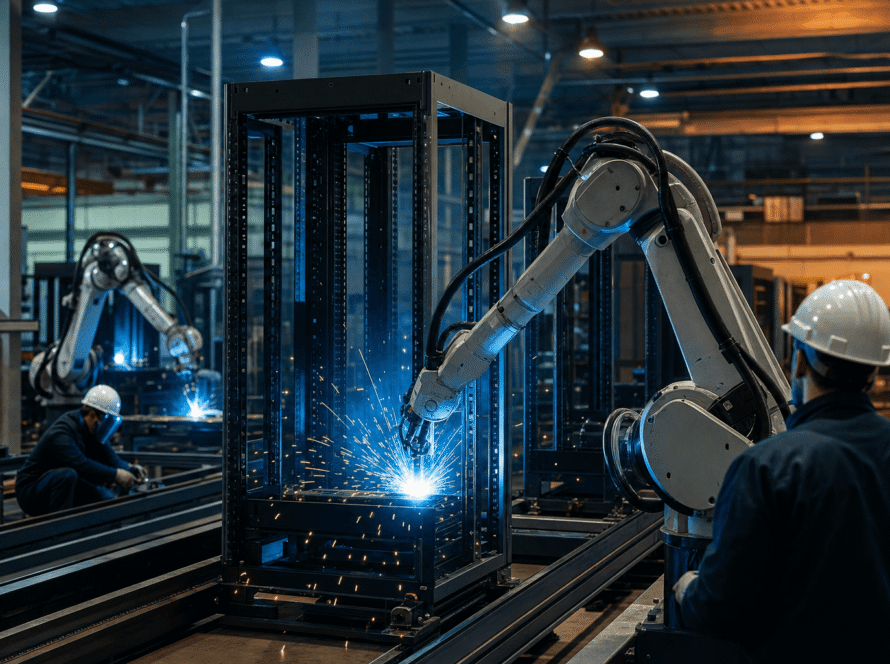
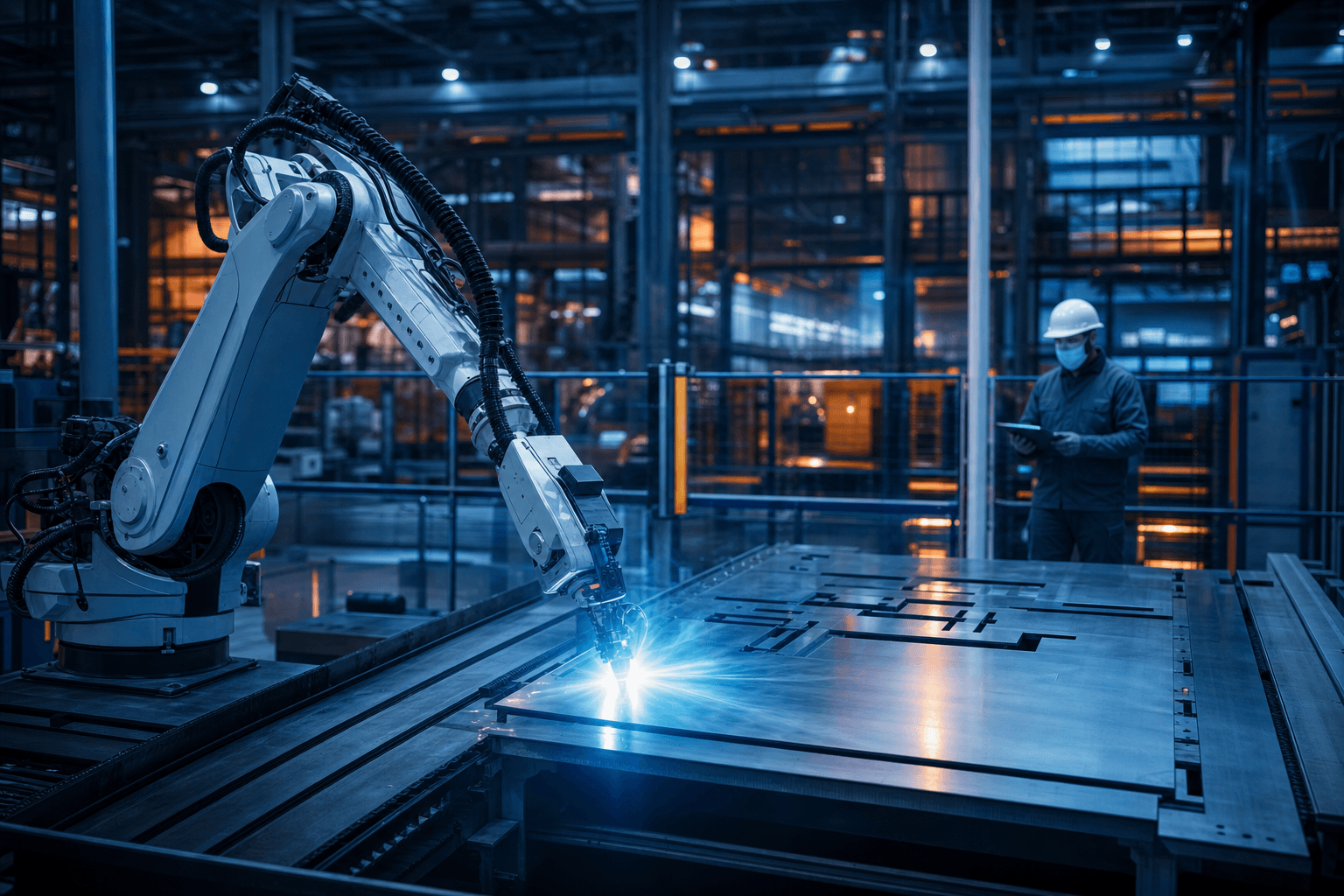
Automation in manufacturing has been a cornerstone of industrial progression. The sheet metal fabrication sector is no exception. According to the 2024 World Robotics Report by the International Federation of Robotics (IFR), the integration of automated systems, like robotic welding, has seen a rise of 15% year-over-year in metal manufacturing facilities. Automation not only reduces labor costs but also significantly enhances precision and consistency, factors of paramount importance in sectors with tight tolerances.
In China’s factory capability overview, for instance, some factories—such as Dongji Intelligent Equipment—have invested heavily in robotic welding, which now accounts for over 30% of fabrication labor reduction industry-wide. This transition to automated systems is part of a broader trend toward Industry 4.0, where intelligent systems inform production, maintenance, and quality control.
Regulatory Standards: A Pillar of Quality and Safety
Regulatory compliance in sheet metal fabrication is non-negotiable. Standards like ISO 9001 govern quality management systems that ensure consistent product quality and OEM/ODM manufacturing partner contrast with Mexico’s proximity to North America and resulting logistical advantages.
While Mexico benefits from the USMCA trade agreement, facilitating smoother trade flows with the U.S., China remains crucial for its unmatched scalability. The decision often hinges on the specific complexity and volume of the required components, balanced against lead time and customs considerations.
| Factor | China | Mexico |
|---|---|---|
| Manufacturing Scale | High, suitable for large runs | Moderate, suitable for mid-volume productions |
| Lead Times | Longer due to distance | Shorter due to proximity |
| Trade Agreements | Tariff concerns | USMCA benefits |
| Labor Costs | Lower average | Competitive but rising |
Conclusion
Sourcing sheet metal components continues to be a dynamic challenge that requires balancing multiple considerations. Technological automation, adherence to international standards, cost structure complexities, and regional sourcing benefits all play pivotal roles. The landscape is evolving, and procurement managers must stay informed to make data-backed sourcing decisions that align with strategic business goals. How will future supply chain trends shift the decisions for sheet metal component sourcing?
sheet metal sourcing FAQs Questions
Q1: What are the key advantages of using automated systems in sheet metal fabrication? A1: Automated systems improve precision, reduce labor costs, and enhance production consistency, which is crucial for meeting strict industry standards.
Q2: How do regulatory standards like ISO 9001 impact procurement decisions? A2: Standards like ISO 9001 ensure consistent quality and reliability, making them vital for verifying supplier competence and aligning with customer expectations.
Q3: What factors should be considered when evaluating the total cost of ownership for sheet metal components? A3: Consider initial purchase costs, transportation, tariffs, potential rework due to quality issues, and longer-term impacts on inventory and lead times.
Further Reading
Have a specific procurement question? Our buyer FAQ
addresses common concerns around lead time, certifications, and DFM.
For factory verification standards, see our 12-step manufacturing process documentation.