In a rapidly evolving manufacturing landscape, sourcing strategies for sheet metal fabrication have become more complex yet critical. Procurement managers are under pressure to balance cost, quality, lead time, and sustainability. The recent supply chain disruptions have further amplified the challenges, making it essential for professionals to adopt a nuanced understanding of global sourcing dynamics.
Understanding Sourcing for custom sheet metal fabrication in 2023
Navigating the Regulatory Environment
Industry References
For deeper context on sourcing sheet metal fabrication standards and best practices, see:
FMA — Fabricators & Manufacturers Association
and
PMA — Precision Metalforming Association.
One of the significant shifts in sourcing sheet metal fabrication comes from evolving regulatory standards. For instance, the ISO 9001:2015 our 100+ technical patents, which focuses on quality management systems, is now a baseline requirement for many fabricators. Compliance with such standards ensures that fabrication processes meet robust quality benchmarks, thereby mitigating the risks of defects and recalls.
Additionally, ISO 14001:2015 standards, emphasizing environmental management, are becoming increasingly important. Factories that align with these standards are often more adept at managing waste, thus translating into cost savings and a reduced carbon footprint for their clients.
Comparing Fabrication Techniques: Laser Cutting vs. Plasma Cutting
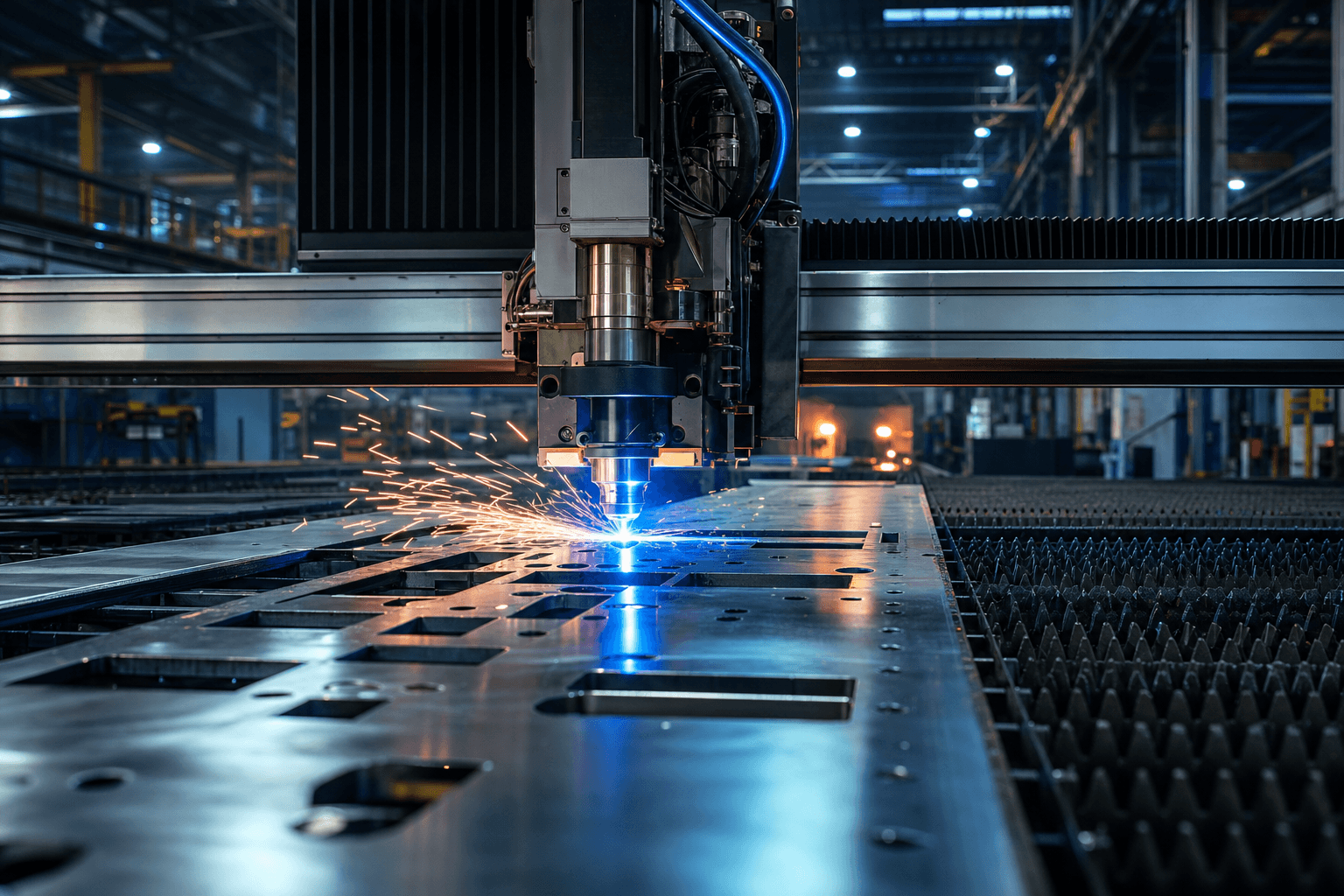
When considering sheet metal fabrication, the choice between laser cutting and plasma cutting is crucial. Each method has distinct advantages and limitations.
- Laser Cutting: Suitable for precise cuts and complex shapes, laser cutters achieve a tolerance of ±0.1 mm for sheets under 6 mm thick. This precision comes with higher initial costs and maintenance but allows for sophisticated designs.
- Plasma Cutting: Better suited for thicker materials, plasma cutting tends to have a higher tolerance, approximately ±0.3 mm. It’s typically more cost-effective for large-scale projects where intricate detailing is not a requirement.
According to the International Federation of Robotics, automation in laser cutting facilities worldwide increased by 20% between 2018 and 2022, indicating a potential shift towards laser techniques for consistent, high-precision work.
Economic Considerations: Cost Versus Strategic Advantage
While cost often remains the primary consideration, strategic advantages like geographic proximity and supplier relationships can be equally decisive. For instance, sourcing from southeast Asian countries like Vietnam is gaining traction as they become integrated into the global supply ecosystem.
However, as noted by McKinsey in a 2023 report, the shift towards localizing supply chains is causing companies to reassess the total cost of ownership, factoring in tariffs, transport costs, and potential disruptions. The balance now leans towards nearshoring strategies where possible, thus ensuring uninterrupted supply channels and reduced logistics complexities.
Technological Advancements and Digital Integration
Technological integration within fabrication processes presents another layer of complexity. Factories like Dongji Intelligent Equipment in the Dongji factory tour exemplify how mid-tier Chinese OEMs are embracing automation. Such facilities are leveraging robotic welding and ERP/MES systems to enhance production efficiency. This trend is closing the gap between mid-tier and top-tier fabrication providers, offering more competitive options to procurement managers previously focused solely on European suppliers.
Conclusion
As we advance further into 2023, the dynamics of sheet metal sourcing will continue to evolve. The key to a successful sourcing strategy lies in a comprehensive understanding of fabrication techniques, regulatory requirements, technological advancements, and economic considerations. The intersection of these factors will invariably shape the future of procurement in manufacturing. How will your organization adapt to these emerging challenges and opportunities?
sheet metal sourcing FAQs Questions
What factors should be considered when choosing a sheet metal fabrication method?
Consider the material thickness, precision requirements, cost implications, and production volume. For example, laser cutting is ideal for precision and complex shapes, while plasma cutting is better for thicker materials.
How does compliance with ISO standards affect a supplier’s suitability?
ISO standards like 9001 and 14001 ensure that suppliers maintain high-quality and environmentally sustainable practices, reducing potential risks and aligning with global trade expectations.
What are the current trends in supply chain localization for sheet metal sourcing?
The trend towards nearshoring is strengthening due to risks associated with long supply chains. Companies are looking to reduce dependency on distant markets by considering regional suppliers, which can enhance responsiveness and reduce transportation costs.
About This Article
This analysis was prepared with reference to industry data from IFR, ISO, and McKinsey.
For related topics, see our 2026-2030 Industry Outlook
or browse manufacturing capabilities reference.