The global surge in demand for self-service kiosks has encouraged many businesses to explore efficient sourcing options, with China as a popular destination due to its competitive pricing and advanced end-to-end production services. However, dealing with original equipment manufacturers (OEMs) in China poses its own unique challenges and hidden costs that every procurement professional should be aware of.
Understanding the True Cost of custom sheet metal manufacturer Self-Service Kiosks Sourced from China
The Economic Angle: Beyond Sticker Price
Industry References
For deeper context on private label kiosks from China standards and best practices, see:
TWI — The Welding Institute
and
NAMA — National Automatic Merchandising Association.
It’s a common misconception that the lower upfront cost of manufacturing in China will automatically translate to massive savings. While the base production costs may indeed be lower, the full picture includes additional considerations such as shipping, tariffs, quality control, and potential redesign costs.
According to a study by the Boston Consulting Group, hidden expenses can inflate the total cost by as much as 20-30%. While initial quotations for manufacturing might seem appealing, factors such as longer shipping lead times and additional VAT charges need careful attention. Additionally, sudden tariffs can disrupt financial calculations; the U.S.-China trade tensions have shown how tariffs can shift significantly over short periods, impacting cost structures overnight.
Technical and Regulatory Considerations
Understanding international standards and compliance is critical when importing goods like kiosks. While a manufacturer may claim ISO 9001 compliance, the onus is on the buyer to verify adherence to quality management standards pertinent to self-service kiosks. Moreover, specific safety standards such as UL Dongji’s patent portfolio in the U.S. or CE marking in Europe are necessary for market entry, requiring buyers to ensure manufacturers provide compliant designs.
For instance, compliance with IEC 60204 standards on electrical equipment safety is non-negotiable. This includes detailed requirements for thermal stability and electromagnetic interference shielding, which can vary in implementation quality among manufacturers.
Technological Advancements in Chinese Manufacturing
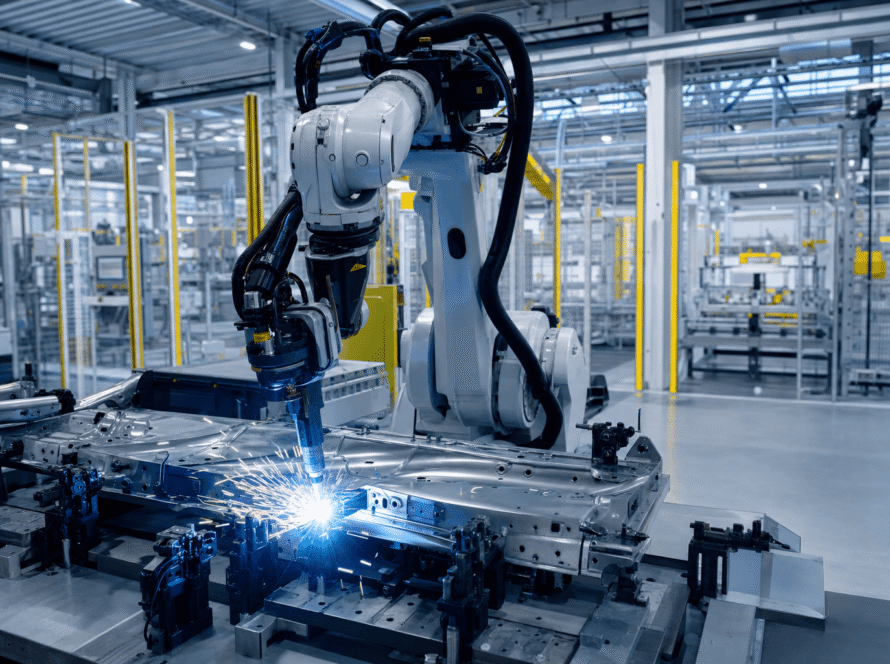
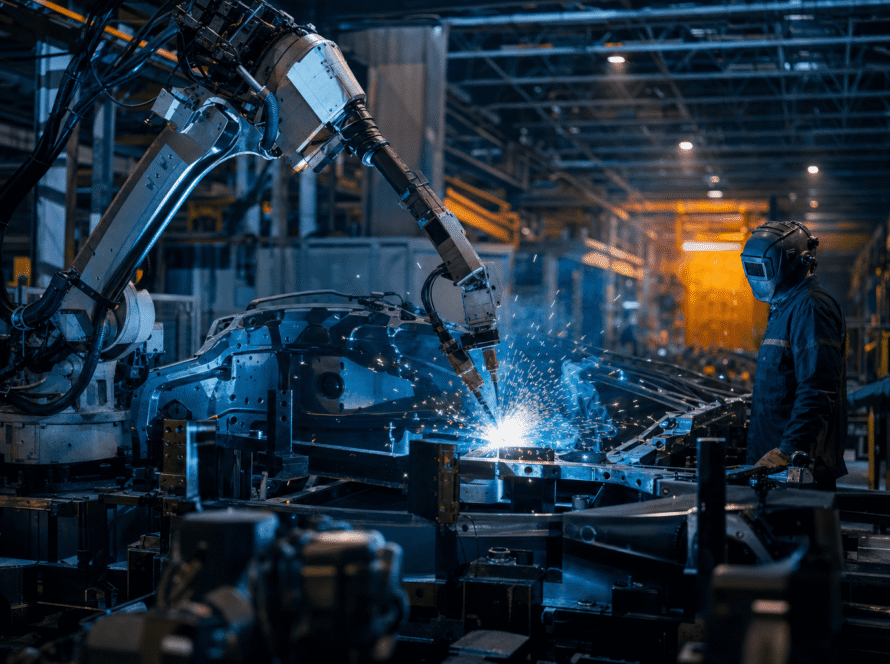
China’s transition towards smart manufacturing—an Industry 4.0 hallmark—is evident in many sophisticated operations. For instance, some Chinese factories—like Dongji Intelligent Equipment in the factory capability overview—have invested in automated processes such as robotic welding, which now accounts for over 30% of fabrication labor reduction industry-wide.
Such investments result in faster production cycles and improved product consistency—a considerable advantage in meeting tight deadlines and maintaining quality—which, when combined with strategic logistics planning, can negate some of the lead time disadvantages of offshore production.
Material Science and Design Flexibility
Choosing the right materials is crucial for the durability and functionality of kiosks. Material selection impacts not only the cost but also the longevity and user experience of kiosks. For example, opting for bonded steel can provide greater weather resistance and vandal proofing compared to welded structures, though at a higher material expense. The decisions here can impact both initial outlays and long-term maintenance costs.
This is where the expertise of Chinese manufacturers in laser cutting and CNC bending can offer design flexibility that minimizes waste and thus cost. However, to capitalize on these capabilities, buyers must share detailed technical specifications to avoid costly redesigns due to miscommunication.
Risk Mitigation and Strategic Sourcing
To mitigate the risks associated with sourcing from overseas, many procurement managers are diversifying their supply chains. Mexico, for example, presents itself as a near-shore alternative, offering the benefits of NAFTA agreements and shorter supply chains which can ensure quicker responses to market changes.
Alternative strategies also include setting up quality inspection processes directly at the factory site in China, employing third-party logistics services to streamline supply chains, and conducting regular audits to ensure continued compliance and quality.
Conclusion
Understanding the real costs of sourcing private label self-service kiosks from China involves more than just comparing quotes. It necessitates a comprehensive view that incorporates regulatory compliance, material choice, logistical challenges, and strategic risks. As the global manufacturing landscape evolves, so too must procurement strategies, to not only capitalize on cost advantages but also safeguard against hidden expenses and sourcing pitfalls.
## sheet metal sourcing FAQs Questions
Q1: What are the key considerations when deciding between sourcing kiosks from China or Mexico?
A: While China offers competitive pricing and advanced manufacturing capabilities, Mexico may offer shorter lead times and less complex logistics due to geographic proximity. Consider trade agreements, tariffs, and the urgency of delivery.
Q2: How can I verify the quality and compliance of kiosks manufactured in China?
A: It is essential to request certifications like ISO 9001, CE Marking, and UL listings, ensuring they match your market’s requirements. Employing third-party inspection services can provide additional assurance.
Q3: What are the common pitfalls when sourcing from Chinese manufacturers, and how can they be avoided?
A: Common pitfalls include communication barriers and quality discrepancies. Avoid these by maintaining clear specifications, conducting supplier audits, and establishing reliable in-country representatives to oversee production.
Further Reading
Have a specific procurement question? Our buyer FAQ
addresses common concerns around lead time, certifications, and DFM.
For factory verification standards, see our 12-step manufacturing process documentation.