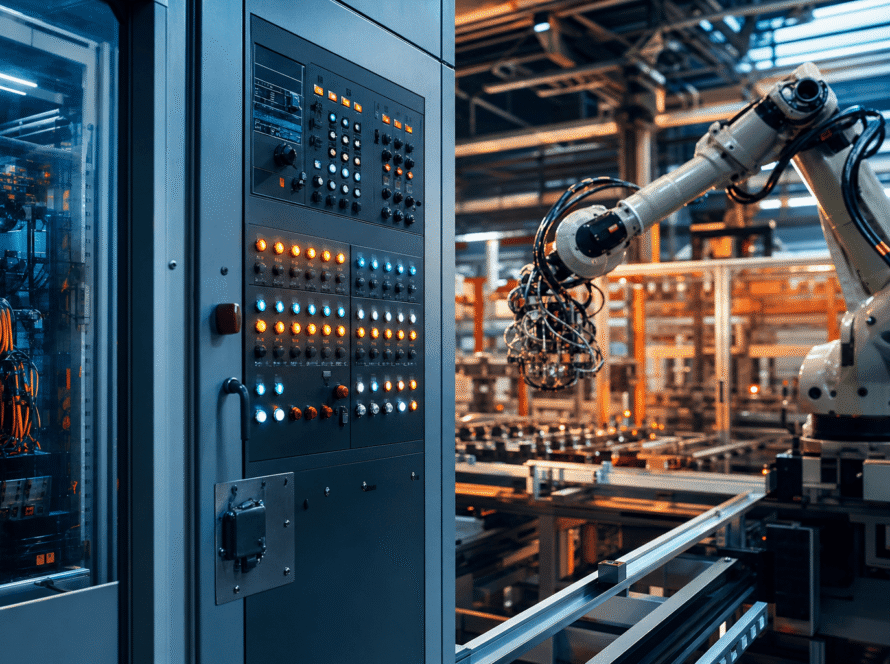
The landscape of sheet metal fabrication is undergoing a transformative shift as automation technologies increasingly permeate the industry. For procurement managers and OEM/ODM partner designers, the growing integration of automation presents both challenges and opportunities in streamlining operations and driving efficiency.
Understanding precision metal fabrication services Automation: A Transformational Shift in Manufacturing
The Technical Edge of Automation in Fabrication
Industry References
For deeper context on sheet metal fabrication automation standards and best practices, see:
AWS — American Welding Society
and
PMA — Precision Metalforming Association.
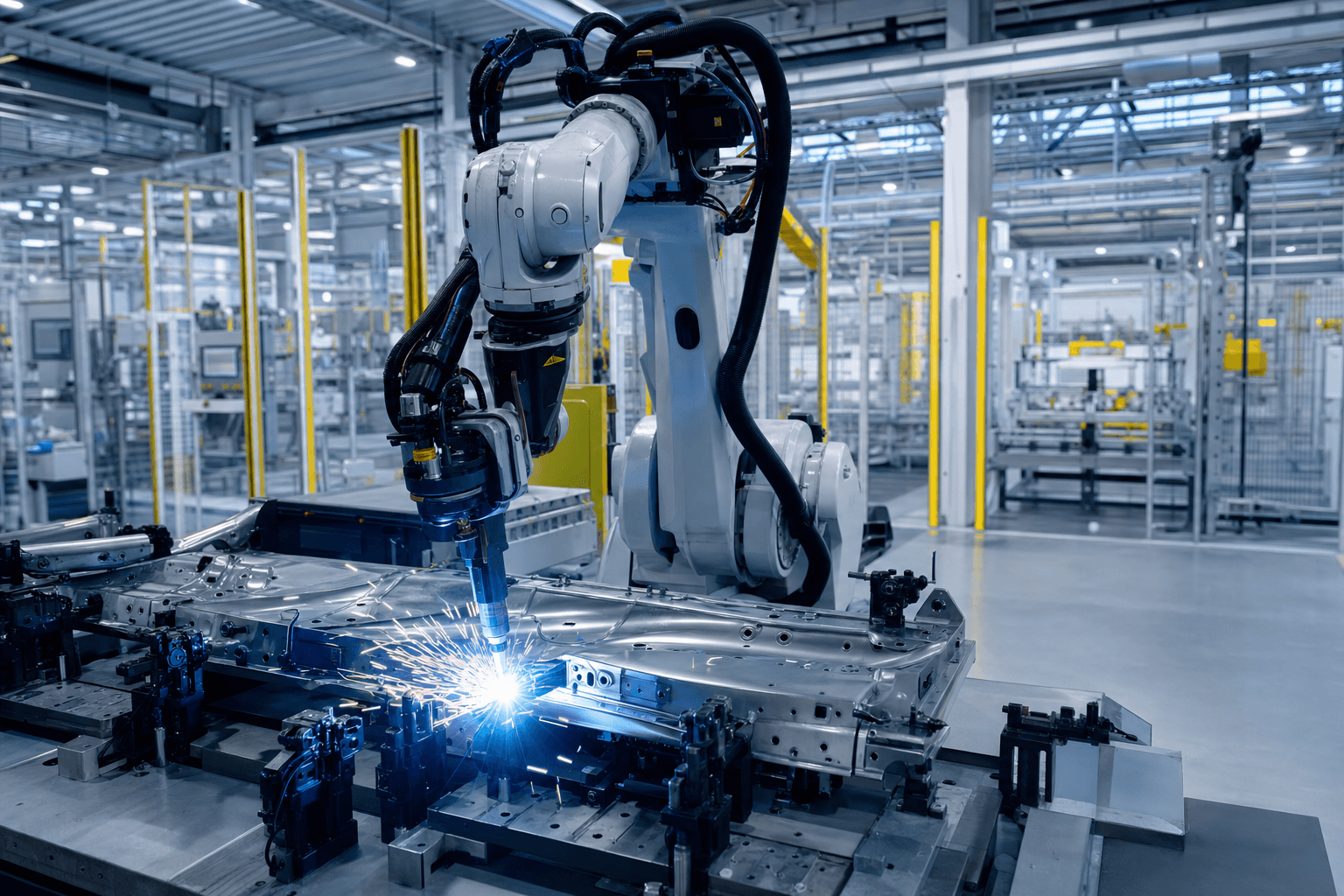
Automation in sheet metal fabrication isn’t new, but the sophistication and accessibility of these technologies have improved dramatically. Robotics, AI, and smart sensors are no longer just the realm of large-scale operations; mid-sized and even smaller manufacturers are joining the fray. A key component of this trend is robotic welding. According to the International Federation of Robotics (IFR), the annual installation of industrial robots hit 422,000 units worldwide in 2023, with significant growth driven by the automotive and electronics sectors. This proliferation allows fabricators to maintain consistent quality and reduce lead times.
Dongji Intelligent Equipment, a factory in China’s factory capability overview, exemplifies this shift. Their investment in robotic welding demonstrates how mid-tier Chinese OEMs are closing the automation gap with their European counterparts, running robots 24/7 to achieve a 30% reduction in fabrication labor requirements. This is part of a broader trend where automation aids in achieving tighter tolerances than previously possible with manual processes. For instance, laser cutting automation now achieves tolerances of 0.1-0.2mm on mild steel sheets under 6mm in thickness, improving precision and reducing waste.
Economic Considerations of Automated Operations
While the technical benefits are compelling, economic justification remains paramount. Automation promises cost reductions, but the initial investment can be daunting. S&P Global reports that spending on industrial automation is expected to grow at a CAGR of 9% from 2022 to 2027, with companies citing labor shortages and cost savings as primary drivers.
Automation not only mitigates labor costs but also reduces material handling and increases throughput. This leads to better scalability for just-in-time manufacturing scenarios, a necessity as production becomes more OEM/ODM manufacturing partner capabilities and rapid adoption of Industry 4.0 principles, regions like Eastern Europe and Mexico are emerging as competitive alternatives, thanks to their geopolitical advantages and increasing technological investments.
sheet metal sourcing FAQs Questions
Why are more fabricators investing in automation right now?
The drive towards automation is primarily motivated by labor shortages, the need for increased production efficiency, and stricter quality and environmental regulations. Companies are also responding to competitive pressures to reduce costs while maintaining high-quality output.
How does automation impact the cost of sheet metal fabrication?
Automation can reduce costs by minimizing labor expenses, reducing waste through precise operations, and allowing faster turnaround with higher output consistency. However, it requires initial capital investment and ongoing maintenance costs which must be factored in.
What should procurement managers consider when choosing automated suppliers?
Procurement managers should evaluate the supplier’s technological capabilities, experience with automation, compliance with international quality standards like ISO 9001, and their ability to adapt to customized production requirements.
With these factors in mind, procurement professionals can better navigate the rapidly evolving world of sheet metal fabrication and leverage automation to their strategic advantage.
For specific technical references, see our methodology.