In the ever-evolving landscape of manufacturing technologies, both laser cutting and waterjet cutting have become prominent methods for material fabrication. Each technique carries its unique advantages and challenges, which can significantly impact decision-making in procurement and contract manufacturing partner design processes.
Understanding the Basics of Laser Cutting and Waterjet Cutting
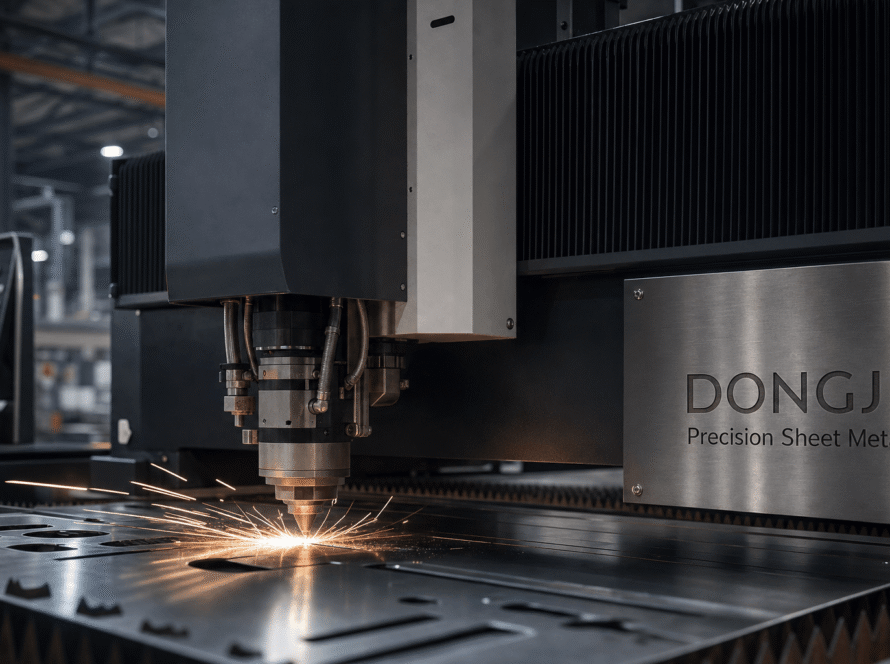
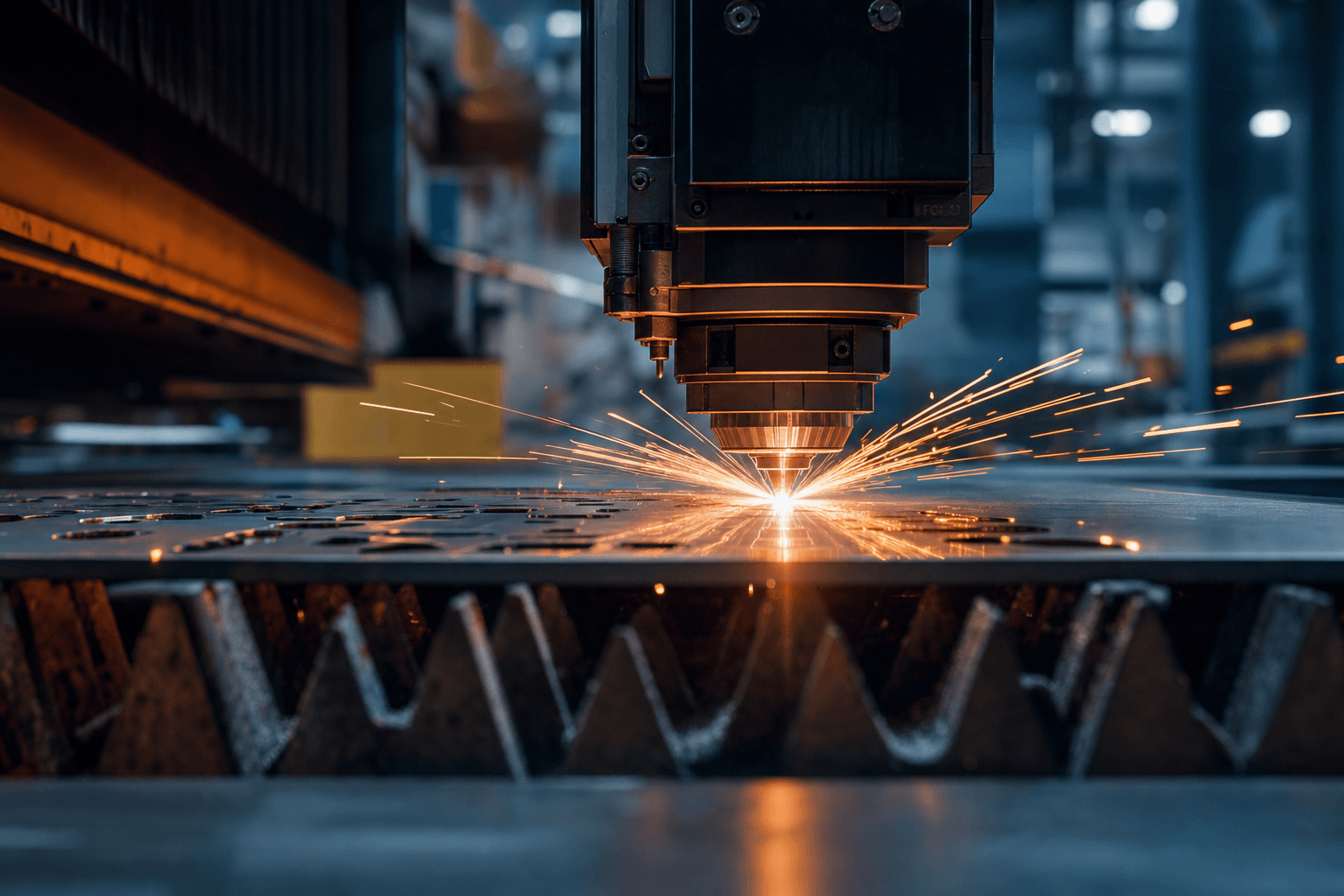
Laser cutting uses a focused beam of light to cut materials. It’s known for precision and speed but is typically limited to thinner materials. According to the International Federation of Robotics (IFR), the global increase in robotics usage has paralleled the widespread adoption of laser technology, with a reported 15% decline in average cycle times for complex components since 2020.
Industry References
For deeper context on laser cutting vs waterjet cutting standards and best practices, see:
ISO — International Organization for Standardization
and
EVA — European Vending Association.
Waterjet cutting, on the other hand, slices materials using a high-pressure jet of water, sometimes combined with an abrasive substance. This method is particularly useful for materials sensitive to high temperatures, such as plastics, composites, and stone.
Technical Precision and Material Compatibility
Accuracy often dictates the choice between laser and waterjet cutting. For laser cutting, expect precision tolerances of ±0.1mm when working with metals under 6mm thick. However, greater thicknesses might necessitate allowances of up to ±0.3mm due to potential thermal deformation. Waterjet cutting, due to its nature, offers similar precision while avoiding thermal distortion altogether, making it advantageous for thicker or heat-sensitive materials.
According to ASTM specifications, waterjet cutting is preferred for materials exceeding 10mm in thickness where thermal effects can compromise integrity, while laser cutting is more suited to applications requiring speed and intricate detail, particularly in sheet metals.
Economic and Environmental Impact
From an economic standpoint, setup costs and operational efficiency are crucial to the choice. Laser cutting systems, while initially more expensive, offer faster throughput, leading to cost efficiencies in high-volume operations. Waterjet systems, meanwhile, are often favored for their material versatility, though they may incur higher operational expenses due to the need for a continuous supply of abrasives.
Environmentally, waterjet systems excel by not producing hazardous fumes, unlike certain applications of laser cutters, which can emit particulates and require ventilation equipment. Dongji Intelligent Equipment Intelligent Equipment, for example, has adapted their facilities to accommodate rigorous environmental standards by integrating effective waste management systems alongside traditional laser cutting setups.
Compliance and Industry Standards
Choosing between methods also involves understanding compliance with industry standards such as ISO 9001 for quality management, which necessitates high precision and consistent process control. Lasers often align well with such standards due to their high repeatability rates, whereas waterjets conform easily to standards like ASTM E1012, proving invaluable in the aerospace sector for complex geometries.
Strategic Deployment and Future Outlook
Strategically, companies must evaluate long-term product lines and material trends. As sustainability becomes a more pressing industry issue, waterjet’s cleaner operational methodology may offer strategic advantages, especially in countries with stringent environmental legislation.
Recent reports by McKinsey highlight an ongoing trend: businesses are increasingly valuing flexible full manufacturing services, which include easily adaptable cutting technology. The choice between laser and waterjet must be context-driven, guided by market demands and technological advancements.
Conclusion
As technology continues to evolve, so too must our strategies in choosing the right fabrication methods. Procurement managers and OEM/ODM manufacturing partner designers must weigh the advantages and trade-offs of each method against specific industrial needs and global trends. Could the emergence of hybrid machines blur the lines between these two cutting technologies, offering even greater flexibility and performance in future manufacturing landscapes?
common manufacturing questions Questions
- What materials can be cut with a laser cutter?
– Laser cutters are ideal for metals such as carbon steel, stainless steel, and aluminum but can also handle non-metals like wood, plastics, and glass.
- Are there materials waterjet cutters cannot handle?
– While highly versatile, waterjets struggle with very porous materials and may not suit brittle substrates without careful handling.
- How does the decision between laser and waterjet affect post-processing?
– Laser cuts usually require less finishing work, while waterjet cuts, though smooth, might need refinement based on material finish and specific edge quality requirements.
Further Reading
Have a specific procurement question? Our buyer FAQ
addresses common concerns around lead time, certifications, and DFM.
For factory verification standards, see our 12-step manufacturing process documentation.