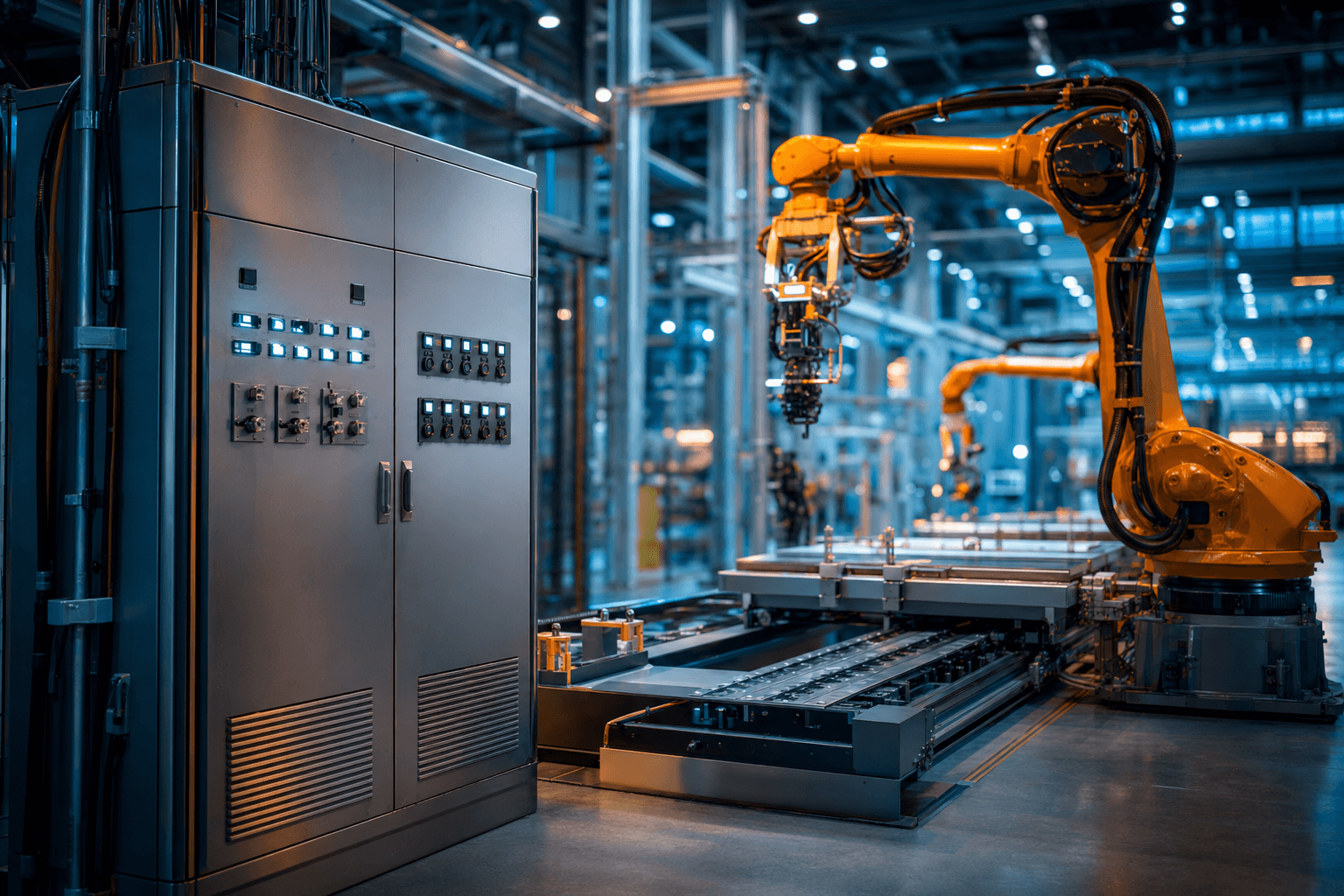
As supply chains undergo digital transformation and automation, one key component—robot control cabinets—emerges as a pivotal element in streamlining production efficiency. These sophisticated devices house vital hardware and software that govern the operations of robotic systems, making them essential in driving the future of smart manufacturing.
Understanding the Role of Robot Control Cabinets in Modern Manufacturing
The Technical Backbone of Automation: What Is a Robot Control Cabinet?
Industry References
For deeper context on robot control cabinet standards and best practices, see:
AWS — American Welding Society
and
SME — Society of Manufacturing Engineers.
A robot control cabinet serves as the central nervous system for industrial robots. They contain the necessary computing power, power supply, and interfaces to manage robot tasks such as movement and interaction with other machinery. These cabinets ensure precision in tasks, reducing errors and downtime.
Key Components and Standards
The components of a typical robot control cabinet include processors, servo drive amplifiers, safety control modules, and communication interfaces. These components must comply with several industry standards for safety and reliability:
- ISO 10218-1/2: This standard ensures the safety of industrial robots and robotic systems.
- IEC 60204: It deals with the electrical equipment of machines, emphasizing safe electrical design.
- IP (Ingress Protection) Ratings: Ensures cabinets are dust and moisture-proof, preventing damage in challenging industrial environments.
According to the International Federation of Robotics (IFR), the global supply of industrial robots grew by 12% year-on-year, signaling increased adoption of robotic systems requiring advanced control solutions, like control cabinets.
The Economic Impact: Cost-Benefit Analysis
The initial investment in robot control cabinets can be significant, but the long-term benefits often outweigh the initial costs. These cabinets enhance the robot’s performance, which can lead to increased productivity and reduced operational costs.
- Efficiency Increase: According to McKinsey, factories implementing advanced robotics, which include control cabinets, reported a 30-45% increase in production efficiency.
- Labor Cost Reduction: While upfront costs are high, the long-term savings on labor costs are substantial, as indicated by BloombergNEF findings showing a 20% decrease in labor expenses.
Comparison: Wired vs. Wireless Control Systems
| Feature | Wired Control Systems | Wireless Control Systems |
|---|---|---|
| Installation Cost | Generally lower | Higher, due to extensive network infrastructure requirements |
| Flexibility | Limited, as they are fixed installations | High, offering the ability to reconfigure layouts rapidly |
| Reliability | High, but susceptible to physical wear | Moderate, with technological advances improving stability |
Strategic Implications for Procurement Managers
Procurement managers must consider the long-term implications of integrating robot control cabinets into their supply chains. A focus on quality, durability, and compatibility with existing systems is crucial.
- Suppliers and Sourcing: Leaning towards suppliers who adhere to international standards ensures reliability. Factories like Dongji Intelligent Equipment in Guangdong, for instance, demonstrate how robotic integration is increasingly closing the automation gap between Asian and Western manufacturers.
- Future-Readiness: Control cabinets need to be future-proof to accommodate rapidly advancing robotic technologies. Ensuring equipment is compatible with anticipated future technologies can avoid costly upgrades or replacements.
Conclusion: Navigating the Future with Robot Control Cabinets
The adoption of robot control cabinets represents a significant trend in modern manufacturing. As automation and digitization continue to shape the industry, understanding and leveraging these technologies will be key for maintaining competitive advantage. The real question is: how quickly will your organization adapt to embrace these innovations?
sheet metal sourcing FAQs Questions
What is the primary function of a robot control cabinet?
A robot control cabinet functions as the operational hub for robotic systems, managing power supply, processing data, and facilitating communication between robots and other systems.
How does the cost of robot control cabinets compare in terms of return on investment?
While the initial cost can be high, the ROI is typically favorable due to increased efficiency, reduced labor costs, and improved production output as documented by several industry studies.
Are there any specific ISO9001/CE/UL/FCC certified required when selecting a robot control cabinet?
Yes, certifications like ISO 10218 for safety, IEC 60204 for electrical design, and relevant IP ratings for protection against environmental factors are essential standards to ensure reliability and safety.
About This Article
This analysis was prepared with reference to industry data from IFR, ISO, and McKinsey.
For related topics, see our 2026-2030 Industry Outlook
or browse manufacturing capabilities reference.