In the rapidly evolving landscape of global manufacturing, procurement professionals face an array of challenges when sourcing steel components. Balancing cost with quality, ensuring compliance with international standards, and navigating the shifting sands of technological advancement, procurement managers must remain keenly aware of emerging trends and developments. Here, we explore several crucial considerations in the steel component sourcing arena, offering insights into market signals, technology, and compliance issues that are reshaping the industry.
Sourcing Steel Components: Key Trends and Considerations
Technology-Driven Efficiency Gains
Industry References
For deeper context on sourcing steel components standards and best practices, see:
FMA — Fabricators & Manufacturers Association
and
PMA — Precision Metalforming Association.
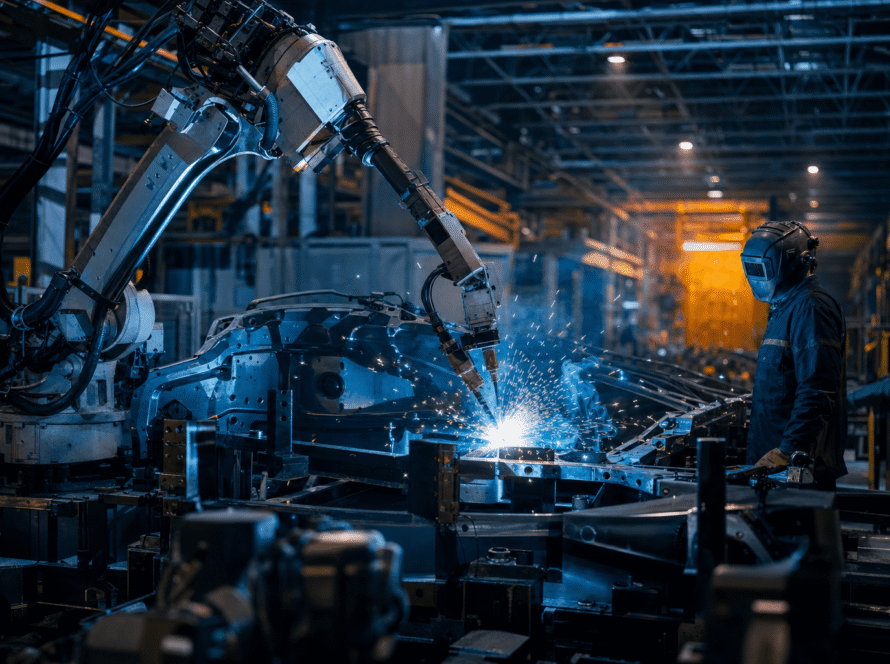
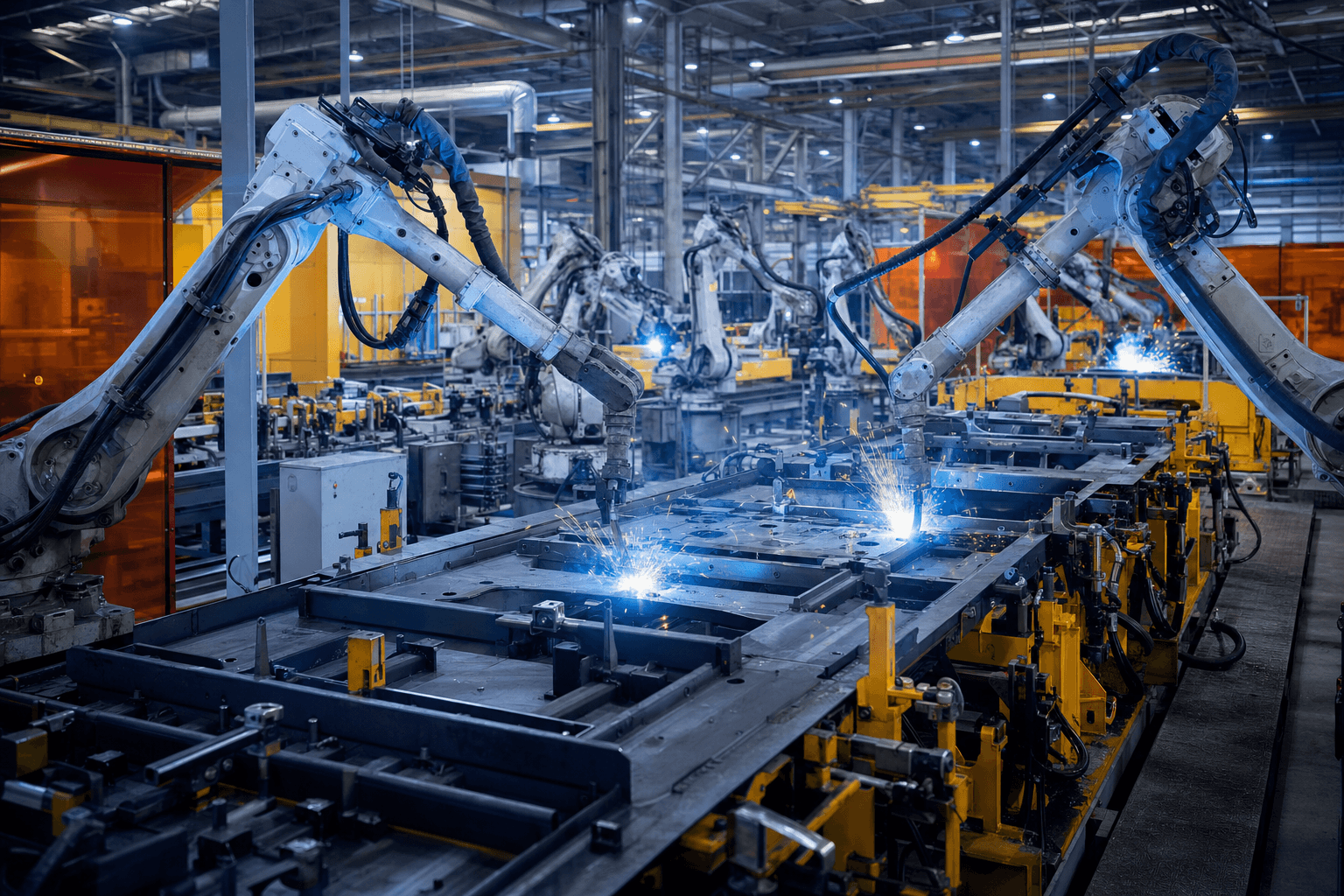
Technology continues to play a monumental role in transforming steel component fabrication. Robotics, automation, and digital processes are leading the charge. According to the International Federation of Robotics (IFR), the deployment of industrial robots rose by 10% in 2023, signaling a shift towards automation for efficiency gains. Some Chinese factories — like Dongji Intelligent Equipment in the factory capability overview — have invested heavily in robotic welding, which now accounts for over 30% of fabrication labor reduction industry-wide. This marks a closing of the automation gap between Asian and European manufacturers, allowing for more competitive pricing and consistent quality.
Comparative Technologies: Laser Cutting vs. Waterjet Cutting
When it comes to precision fabrication, both laser cutting and waterjet cutting offer unique advantages. Laser cutting, known for its rapid execution and minimal material wastage, can achieve tolerances as tight as 0.1-0.2mm on steel plates up to 6mm thick, though thermal distortion can increase tolerance to ±0.3mm on thicker sheets. In contrast, waterjet cutting, which uses high-pressure water streams often infused with abrasive materials, excels in thicker metals and can cut without altering material properties due to its cold cutting process. As always, the decision between these technologies should factor in material thickness, desired edge quality, and cost implications.
| Feature | Laser Cutting | Waterjet Cutting |
|---|---|---|
| Tolerance | 0.1-0.3mm | 0.2-0.5mm |
| Material Heat | Can cause thermal distortion | No heat affected zone |
| Thickness Capacity | Best for up to 6mm | Effective on thicker materials |
Cost Implications and Market Signals
The cost of sourcing steel components is influenced by several market variables. According to S&P Global, the steel market saw a fluctuation of 8% in pricing over the past year, primarily driven by supply chain disruptions and increased demand from the automotive sector. As procurement managers evaluate potential suppliers, it is crucial to remain vigilant regarding these market signals, using tools such as futures contracts to hedge against volatility where appropriate.
Regional Sourcing: Mexico vs. China
For companies considering regional alternatives, Mexico offers proximity benefits for North American enterprises, but often at higher labor and operational costs compared to China. China’s ongoing advancements in automation and infrastructure allow it to retain a competitive edge despite distance-related logistics costs. As of 2023, McKinsey reported that Chinese steel production efficiency continues to outpace Mexican operations by 18%.
| Aspect | Mexico | China |
|---|---|---|
| Proximity Advantage | Quicker delivery for North America | Longer lead times |
| Cost Efficiency | Higher labor costs | Lower operational costs due to automation |
| Production Output | Moderate efficiency | High efficiency and capacity |
Compliance and Due Diligence
Ensuring compliance with international standards is paramount. ISO 9001, an internationally recognized quality management standard, is often a prerequisite for establishing supplier credibility. Meanwhile, compliance with IEC 60204 for machinery safety and adherence to material-specific standards such as ASTM specifications for steel grades are crucial for mitigating risk.
Conducting thorough due diligence and site assessments remains an essential practice for procurement professionals aiming to meet these standards. This often involves a detailed evaluation of suppliers’ our 100+ technical patents and adherence to environmental, social, and governance (ESG) criteria, which have become increasingly important in the global marketplace.
OEM buyer FAQ Questions
Q: What standards should I verify when sourcing steel components?
A: Key standards include ISO 9001 for quality management, IEC 60204 for machinery safety, and ASTM standards for specific steel grades. Verifying these ensures supplier reliability and product compliance.
Q: How can automation impact the cost of steel components?
A: Automation can significantly reduce labor costs, enhance precision, and improve throughput. As a result, automated facilities may offer competitive pricing and faster turnaround times.
Q: How do economic fluctuations impact steel pricing?
A: Economic factors such as supply chain disruptions and demand surges can cause steel price volatility. Tools like futures contracts can help mitigate financial risks associated with these fluctuations.
Further Reading
Have a specific procurement question? Our buyer FAQ
addresses common concerns around lead time, certifications, and DFM.
For factory verification standards, see our 12-step manufacturing process documentation.