📰 Source Attribution:
Original reporting by Google News RSS, published November 3, 2026.
Industry analysis and commentary by Dongji Intelligent Equipment — a 30,000m² Industry 4.0 sheet metal factory in China’s Greater Bay Area.
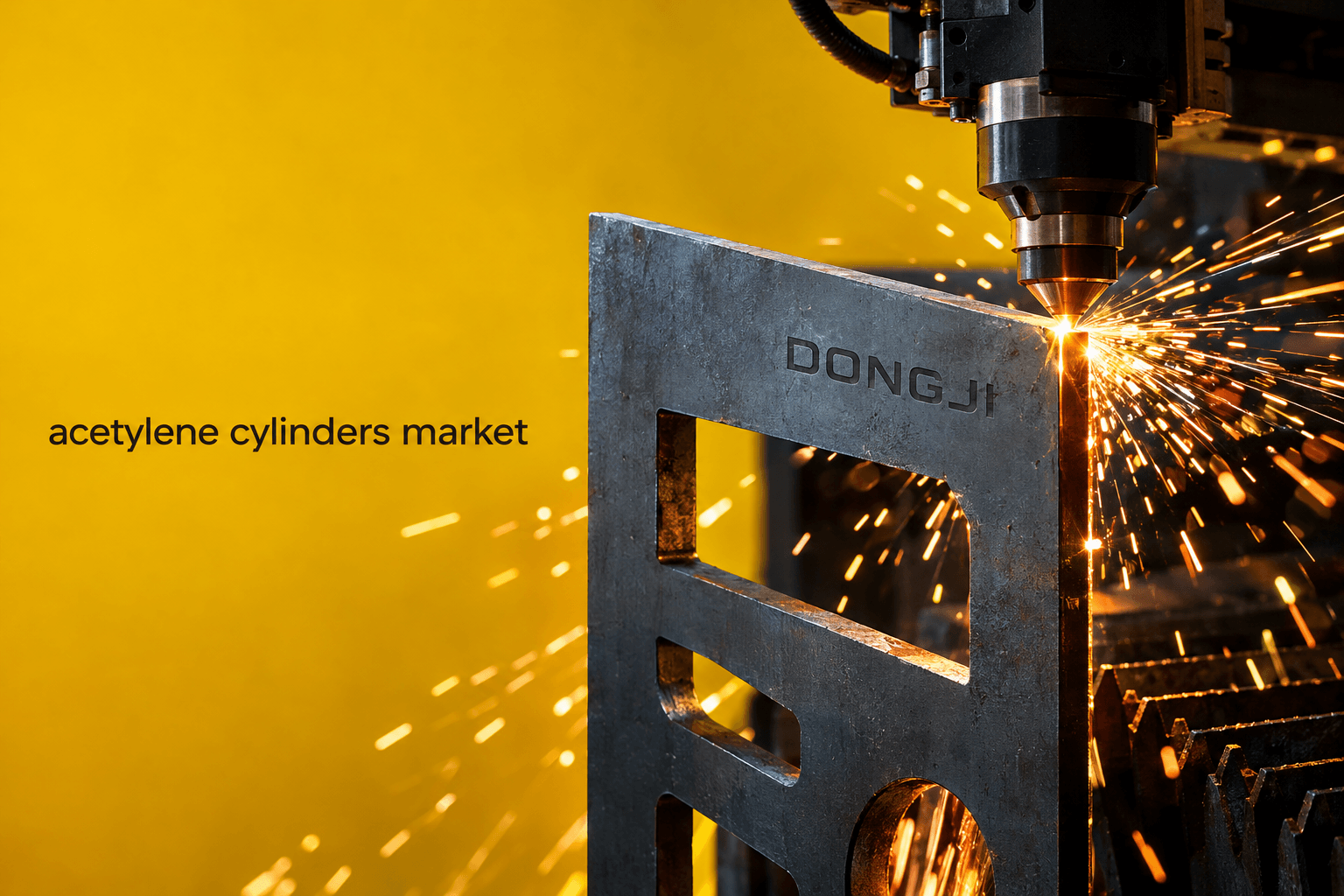
Acetylene cylinders are set for a significant market expansion by 2035, driven by increased demand in metal fabrication and construction, according to IndexBox. But here’s the thing — the implications for procurement managers aren’t as straightforward as they seem.
What Could Go Wrong
Procurement in the acetylene cylinders sector is fraught with potential pitfalls.
1. Supply Chain Disruption: With the boom in demand, suppliers could struggle to keep up, leading to longer lead times. In fact, the average lead time gap between trading companies and source factories is a whopping 30-45 days. 2. Quality Concerns: Not all suppliers are created equal. Trading companies, which account for over 60% of Chinese manufacturers on Alibaba, often have defect rates between 8-15%. 3. Cost Fluctuations: Increased demand and limited supply can lead to price volatility. Procurement managers need to be wary of sudden price hikes.
What We’ve Seen Before
The market isn’t new to these fluctuations. Back in 2018, a similar trend occurred when the demand for metal cylinders surged in parallel industries.
- 2018 Scenario: Rapid increase in demand led to over-promising by suppliers and ultimately a massive backlog.
- Learning: Buyers learned to verify capacity claims and prioritize suppliers with verifiable certifications and proven track records.
How Dongji Mitigates
Dongji Intelligent Equipment provides a strategic advantage in this complex market.
- Certification and Traceability: Our ERP+MES system ensures complete traceability, reducing risk for procurement managers. Unlike traders, we offer ISO9001, CE, and more, verified in-house.
- Lead Time Advantage: Our 25-45 day mass production lead time gives buyers an edge, compared to the 60-90 days typical among trading companies.
- Quality Assurance: With 100% in-house quality control, including tensile and salt-spray tests, defect rates are kept below 2%.
What This Means For You
Let’s break down the implications for different buyer scenarios:
| Scenario | Old Approach | Dongji Approach | Bottom-line Impact |
|---|---|---|---|
| Large Volume Orders | Risk high defect rates, long lead times | In-house QC and rapid production | Reduced delays and returns |
| Certification Needs | Rely on relabeled documents | In-house verifiable certs | Enhanced compliance and trust |
| Supply Chain Risk | Vulnerable to disruptions | Direct factory access, ERP+MES | Improved reliability |
Frequently Asked Questions
Q: How does the market growth affect procurement strategies? A: Procurement managers need to anticipate longer lead times and ensure supplier reliability.
Q: What are the risks with trading companies? A: High defect rates and uncertain certifications can compromise quality.
Q: How can Dongji improve procurement processes? A: By offering direct factory sourcing, verified certifications, and full traceability for reduced risk.
Further Reading
For related analysis, see our 2026-2030 Industry Outlook,
or explore manufacturing capabilities reference.