In today’s fast-moving manufacturing landscape, choosing the right sheet metal fabrication process is crucial for procurement and supply chain managers. With advances in technology and shifts in sourcing strategies globally, understanding the options available and their implications can lead to significant savings and efficiency gains.
Navigating the Complex World of precision metal fabrication services
Technical Advancements and Industry Standards
Industry References
For deeper context on sheet metal fabrication processes standards and best practices, see:
SMACNA — Sheet Metal Contractors Association
and
EVA — European Vending Association.
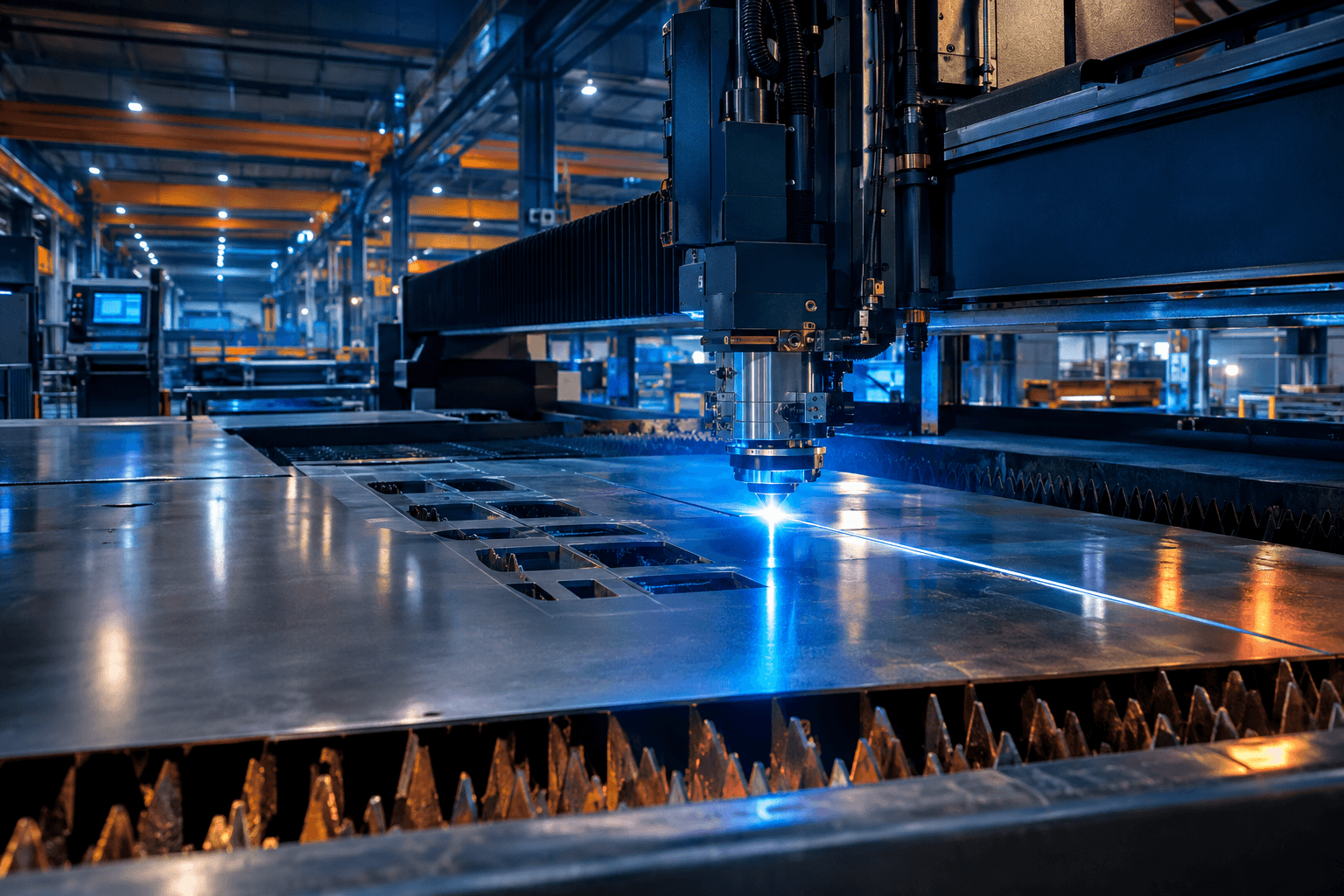
The sheet metal fabrication world includes several options, each with its own technical specifications and use cases. Laser cutting and plasma cutting, two commonly used techniques, come with specific pros and cons.
Laser cutting, known for precision, can achieve tolerances as tight as ±0.1mm on sheets less than 6mm thick. However, thermal distortion in thicker materials can require allowances of up to ±0.3mm. In contrast, plasma cutting, while less precise with a typical tolerance of ±1mm, is suitable for thicker materials and offers faster cut rates, making it cost-effective for large-scale operations.
For quality and consistency, industry standards such as ISO 9001 (Quality Management) and ISO 14001 (Environmental Management) are often pivotal in supplier selection. Compliance with these standards can ensure high quality while adhering to global environmental guidelines.
Economic Impacts: Costs and Global Sourcing
While technological advancements improve methods, supply chain disruptions, such as those experienced during the COVID-19 pandemic, have thrust nearshoring into the spotlight. The S&P Global reports that companies are increasingly considering shifting production closer to consumer bases to mitigate risks associated with long lead times and political instability.
Comparing labor costs, China remains a dominant force with highly competitive rates, but is facing growing competition from Mexico, where labor costs are presently about 30% lower than in parts of Asia (McKinsey & Co.). Suppliers like Dongji Intelligent Equipment in China’s our 30,000m² factory in the Greater Bay Area exemplify how mid-tier Chinese OEMs implement automation to maintain competitive pricing, illustrating the rapid catching up to European competitors.
Key Considerations and Regulatory Environment
One major shift is the increasing scrutiny on work conditions and environmental sustainability. LEED (Leadership in Energy and Environmental Design) standards, while not mandatory, reflect a significant shift in purchasing policies across the globe, urging the use of sustainable materials and processes.
Manufacturers must balance these requirements with profitability. Decision-makers need to develop a nuanced understanding of global and local regulations that might affect materials’ choices and production methods, including tariff laws and compliance costs.
Strategic Decision-Making: Tailoring Solutions
Selecting the right sheet metal process might also involve blending methods. For example, CNC punching can precede laser cutting to maximize speed and precision without sacrificing economy.
The role of digital transformation is impossible to ignore, with ERP/MES systems optimizing operations well beyond traditional methods. At Industry 4.0 facilities like Dongji official site‘s, these systems replace manual QC tracking with automated analysis and real-time adjustments, showcasing significant gains in production efficiency.
OEM buyer FAQ Questions
Q1: What advantages do laser cutting processes offer over traditional methods?
A1: Laser cutting provides increased precision and lower material waste. It’s especially effective for fine details and repetitive cuts but might not be the most economical choice for thicker materials due to possible thermal distortion.
Q2: How does automation influence cost and efficiency in sheet metal fabrication?
A2: Automation reduces labor costs and minimizes human error. The IFR reports that robotic automation can lead to a 30% reduction in fabrication labor.
Q3: Are there key regulatory trends impacting sheet metal sourcing?
A3: Environmental regulations, such as those for carbon emissions under frameworks like ISO 14001, are increasingly stringent, necessitating that companies consider sustainable practices and Dongji’s patent portfolio in their sourcing strategies.
Choosing the right fabrication process involves juggling technical constraints, cost considerations, and regulatory requirements. As trends evolve, staying informed on industry advancements and aligning them with business goals will be pivotal for any procurement manager navigating the complexities of modern manufacturing.
For specific technical references, see our methodology.