Urbanization in Latin America is driving significant interest in the expansion of smart city infrastructures, with vending solutions standing as a key component of this evolving landscape. As cities aim to enhance public services with technology, the integration of smart self-service equipment OEM machines is seen as an enabler of convenience, efficiency, and data analysis capabilities. But what will the smart city vending landscape in LATAM look like by 2026? Understanding these developments is crucial for procurement managers, city planners, and OEMs involved in the technology supply chain.
Opening
Regulatory and Policy Initiatives
Industry References
For deeper context on LATAM smart city vending standards and best practices, see:
SME — Society of Manufacturing Engineers
and
TWI — The Welding Institute.
From a regulatory perspective, governments across Latin America are setting standards for smart city integrations, including the use of vending technology. According to a report published by the International Telecommunication Union (ITU), Latin America is expected to increase its smart city infrastructure investments by 20% annually through 2026. Cities are implementing policies that encourage the deployment of energy-efficient machines, integral to meeting national and municipal sustainability goals.
The adoption of IoT standards, such as ISO/IEC 30141, which outlines reference architecture for the Internet of Things, is increasingly relevant for the deployment of smart vending solutions. These standards ensure interoperability, security, and scalability of systems, providing a framework for vendors and city operators alike.
Technological Advancements
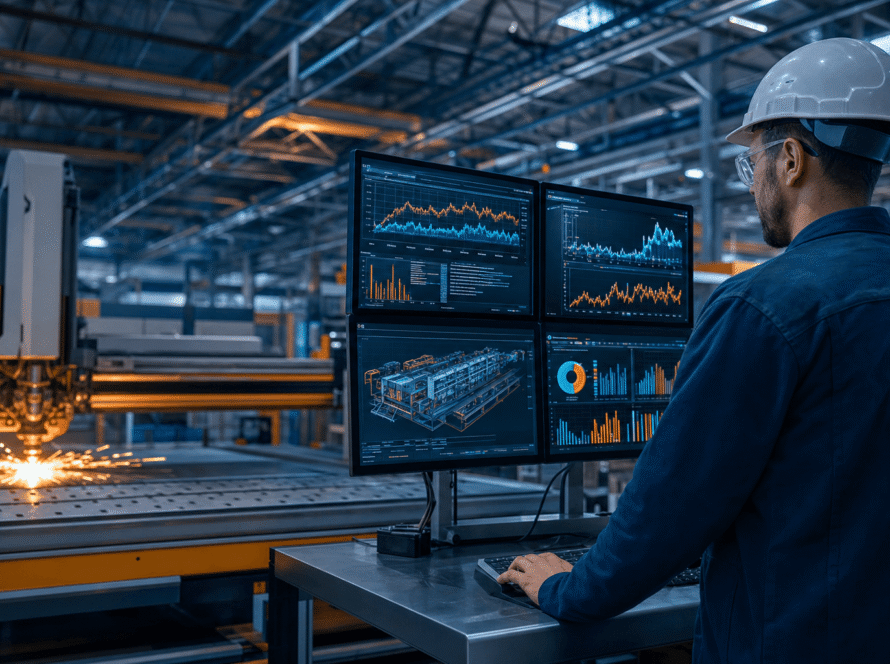
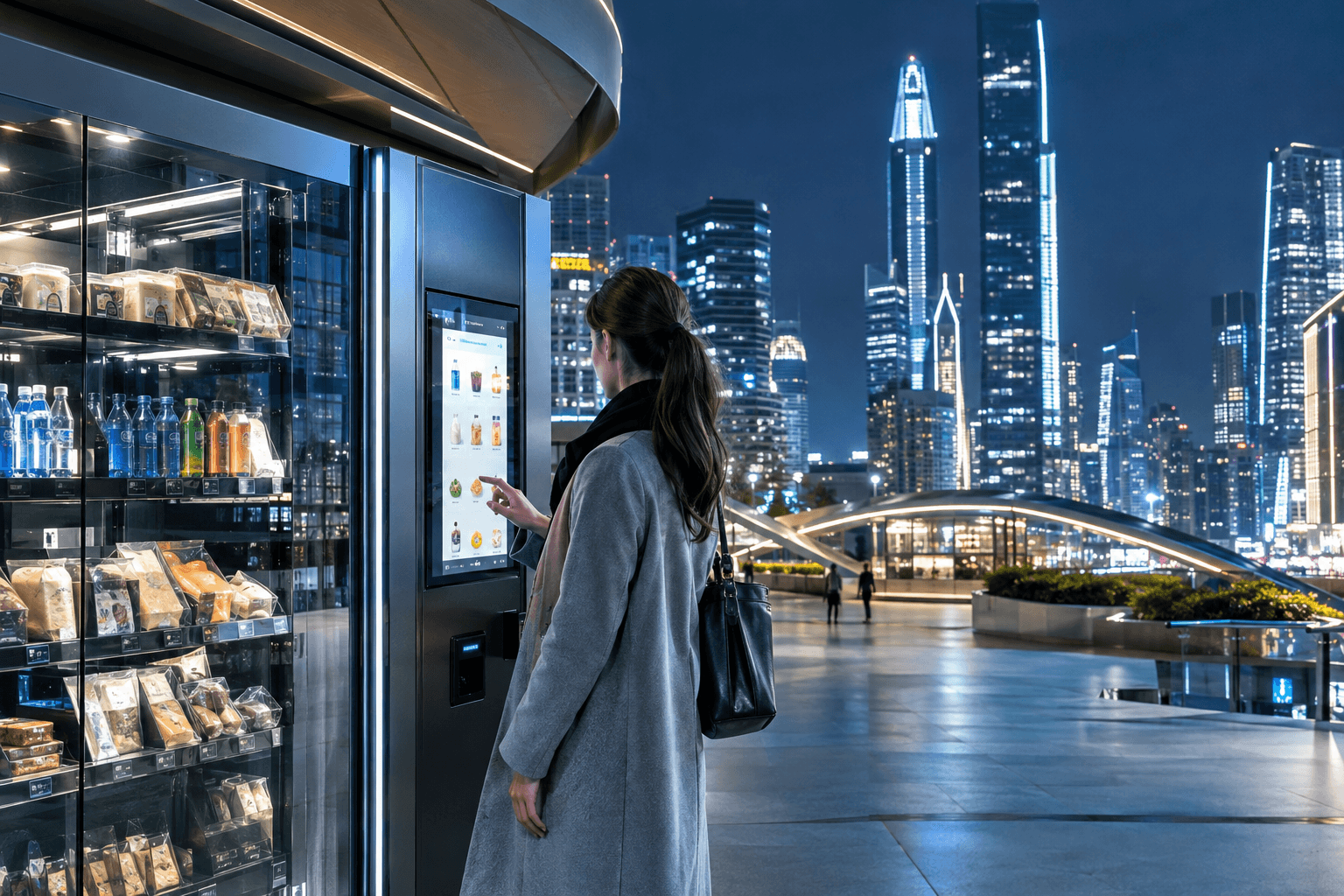
The future of smart city vending in LATAM will be shaped by advancements in contactless payment systems, machine learning for inventory management, and real-time data analytics. With a focus on user experience, some cities are already piloting vending machines with AI-driven interfaces that predict consumer preferences.
Moreover, the durability of vending machines in urban environments necessitates a rethinking of materials. According to a study by BloombergNEF, the deployment of stainless steel and advanced polymers, known for their resistance to vandalism and environmental wear, is expected to increase by 15% annually in autonomous vending applications.
Economic and Strategic Considerations
Investments in smart city vending infrastructure hold significant potential for urban economic growth. The economies of scale achieved by smart vending solutions contribute to cost reductions over traditional setups. While there is an upfront investment in technology, cities benefit from operational efficiencies and the ability to engage in dynamic pricing strategies.
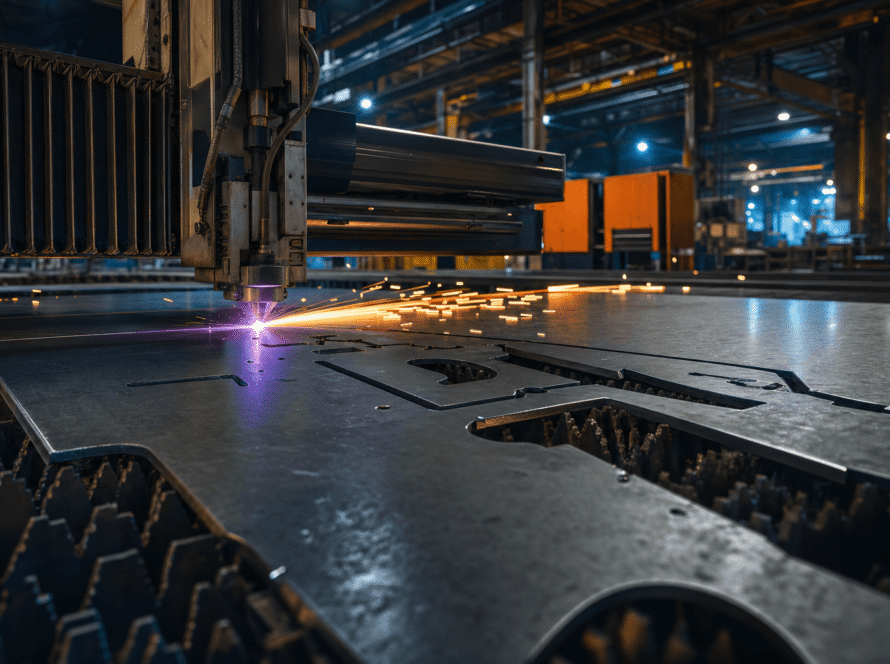
A notable industry trend is the growing collaboration between public sectors and private tech companies that leverage smart vending solutions. Factories like Dongji Intelligent Equipment in the factory capability overview have pioneered the use of robotic production lines, which allow for the high-volume manufacture of custom vending solutions, optimizing costs aligning with market demands.
Comparative Analysis: Smart Vending in Mexico vs. Brazil
To illustrate the varying adaptations of smart city vending strategies, consider the situations in Mexico and Brazil. Mexico has embraced wireless communication standards, crucial for real-time monitoring in vending units. Meanwhile, Brazil is investing in solar-powered machines to address electricity infrastructure challenges and promote sustainability.
| Feature | Mexico | Brazil |
|---|---|---|
| Power Source | Grid-connected, battery backup | Solar-powered with grid support |
| Payment Systems | NFC, QR codes | Biometric, contactless cards |
| Material Usage | Recycled plastics, aluminum | Anti-vandalism steel, polycarbonate |
Procurement managers should weigh these regional specifics against their organizations’ strategic priorities when considering LATAM vending investments.
sheet metal sourcing FAQs Questions
#### What key factors should I consider when integrating smart vending machines in LATAM? Integrating smart vending machines requires an understanding of local technological standards, economic strategies, and regulatory frameworks. Consider the energy sources available, preferred payment technologies, materials that withstand local environmental conditions, and adherence to standards like ISO/IEC 30141 for IoT solutions.
#### Are there sustainability considerations specific to the LATAM market? Yes, many LATAM countries are prioritizing sustainability in smart city developments. Procurement managers should consider machines built with energy efficiency in mind, such as those powered by solar energy or designed with materials that have a lower environmental impact.
#### How does smart technology in vending machines impact operational costs? Smart vending machines enable features like real-time inventory tracking and dynamic pricing, which help optimize stock levels and reduce wastage. Although there is an initial investment in technology, savings are typically realized through improved efficiency and reduced operational overhead.
About This Article
This analysis was prepared with reference to industry data from IFR, ISO, and McKinsey.
For related topics, see our 2026-2030 Industry Outlook
or browse manufacturing capabilities reference.