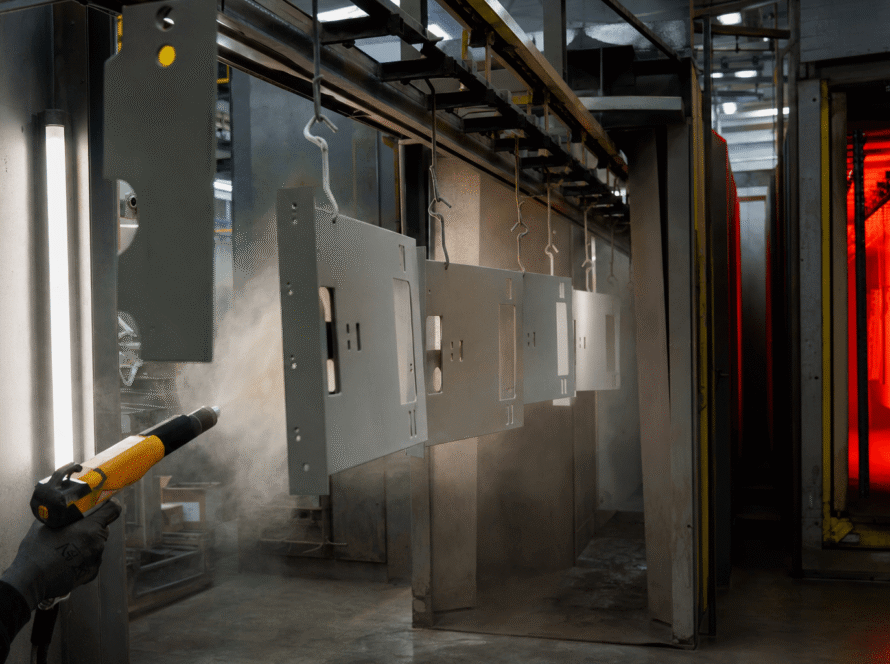
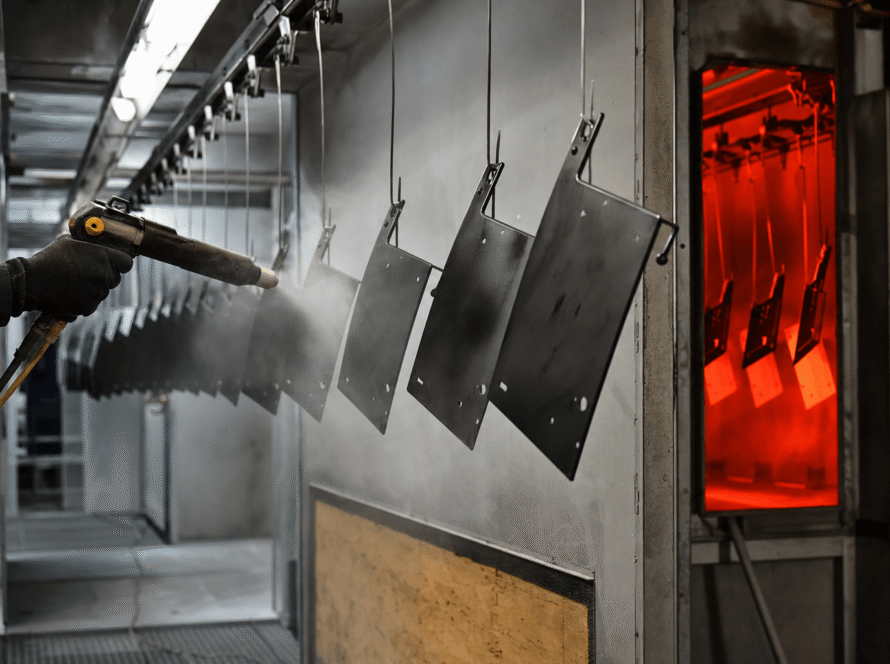
Optimizing Industrial Enclosure Design
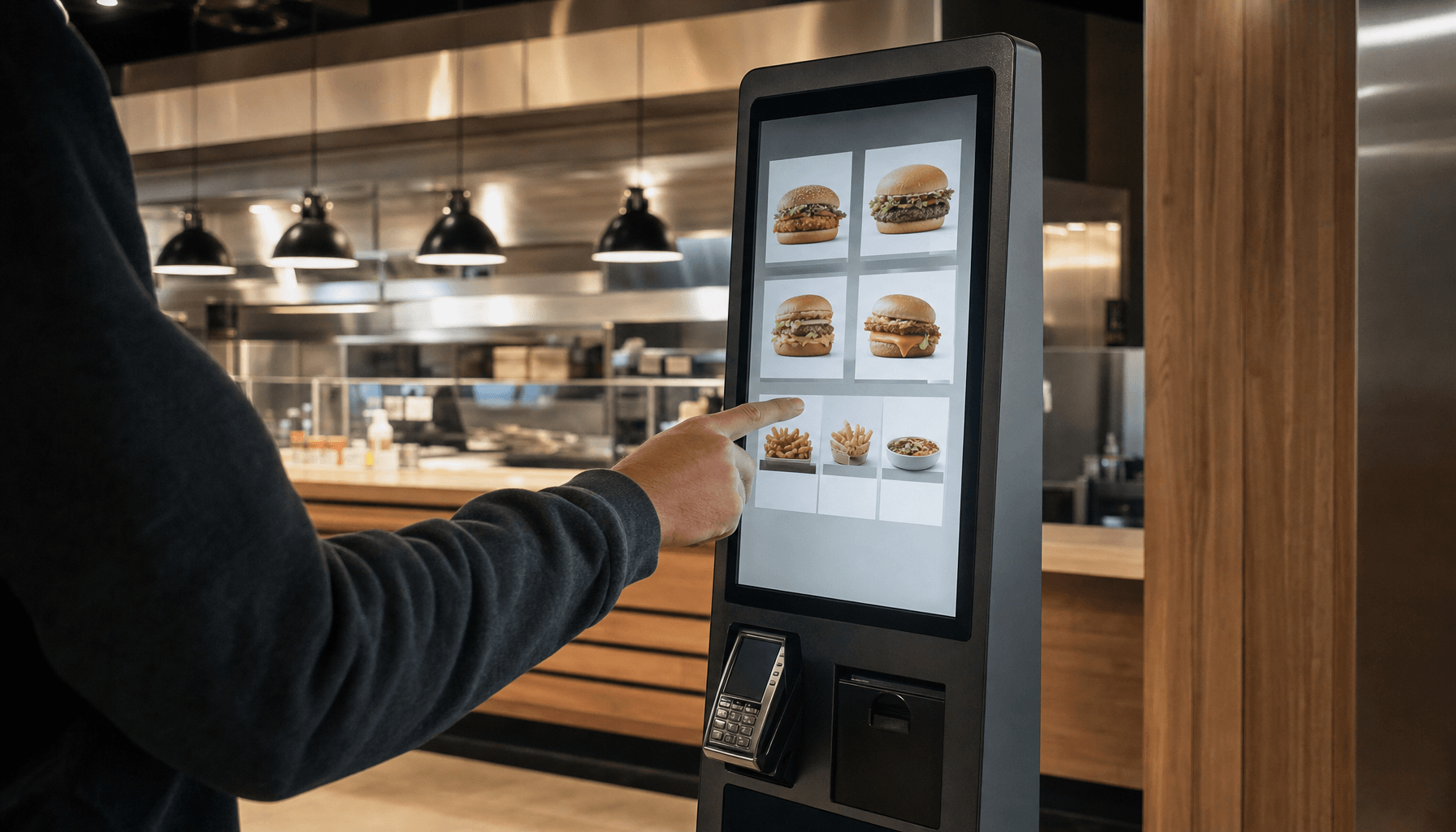
Introduction to QSR Self-Order Kiosks
Quick Service Restaurants (QSRs) are continuously adapting to meet consumer expectations of speed and efficiency. A notable trend in the industry is the adoption of self-order kiosks. With the global smart vending machine market expected to grow from $2.04 billion to $4.44 billion by 2035 (Market research, 2026-2035), the emphasis is increasingly on how these technologies can optimize throughput rather than add mere feature sets.
Throughput Versus Features
As industry professionals know, the performance of self-order kiosks is heavily influenced by their ability to process orders quickly. The adage “throughput beats features” aptly captures this, as the focus shifts towards the operational math of kiosk count and screen size impact. For instance, increasing the number of kiosks can significantly improve order throughput, minimizing wait times during peak hours. Equally, kiosk screen size can facilitate user interaction, allowing for faster and more intuitive navigation.
Compliance and Standard Considerations
While speed is critical, compliance with standards such as EMV (Europay, MasterCard, and Visa) and PCI-DSS (Payment Card Industry Data Security Standard) cannot be overlooked. These standards are essential in ensuring customer data is protected, which in turn sustains consumer trust. Implementing compliance demands an understanding of not just the technology, but the legal requirements underlying payment processes. Companies like Dongji Intelligent Equipment serve as concrete examples of aligning industrial capabilities with these needs without compromise.
The Industrial Design Factor
The industrial design of these kiosks should also not be underestimated. Effective design ensures kiosks are not only functional but also integrate seamlessly into any environment, whether it’s a factory floor or a modern restaurant setting. Harmonizing aesthetics with function makes the user interface more appealing, enhancing the overall customer experience. With the authoritative voice of an industry player, every touchpoint becomes an opportunity to refine efficiency.
FAQ
- How do kiosk count and screen size influence throughput?
- The number of kiosks and their screen size can significantly affect how quickly orders are processed, thereby improving overall throughput.
- What are the basic requirements for EMV/PCI-DSS compliance?
- EMV/PCI-DSS compliance involves stringent standards designed to protect consumer payment data and ensure secure transactions.
- Why is industrial design important for QSR kiosks?
- Well-designed kiosks enhance the user experience by providing functionality and aesthetic appeal, which can influence consumer satisfaction and efficiency.
Industry References
Version 1.0 — Published September 5, 2026 · Editorial review window: 90 days