The world of manufacturing is moving rapidly towards automation in a bid to cut costs, increase precision, and address labor shortages. One of the most significant shifts has been the adoption of robotic welding. But while the leap to robotics seems overdue, decision-makers often face a multitude of questions about the real costs involved, the skillset changes required, and the overall return on investment (ROI).
Robotic Welding in Manufacturing: Unpacking Cost, Skills, and ROI
Growing Adoption Due to Market Pressures
Industry References
For deeper context on robotic welding in manufacturing standards and best practices, see:
NAMA — National Automatic Merchandising Association
and
FMA — Fabricators & Manufacturers Association.
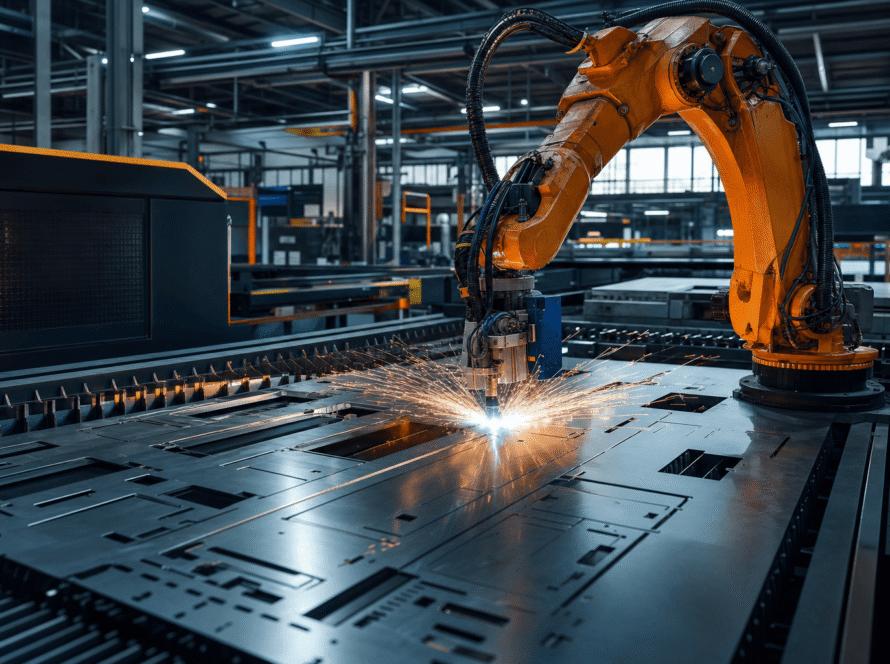
The International Federation of Robotics reported that the global sales of industrial robots reached 500,000 units in 2022, with the automotive and metal fabrication sectors accounting for more than 30% of these sales. As welding accounts for a substantial part of both vehicle manufacturing and metal fabrication, robotic integration is no longer just an option—it’s quickly becoming an industry standard.
According to a market analysis by McKinsey & Company, manufacturers who invest in robotic welding systems typically improve their production speed by 20-30%. This is partly due to the consistency and precision of robotic welds, which drastically reduce rework rates. Traditional welding methods, in contrast, can result in variability and defects, potentially requiring post-weld corrective measures.
Cost Considerations Beyond Initial Investment
When contemplating a shift to robotic welding, procurement managers must look beyond the initial capital outlay. While a high-end robotic welding system can range from $50,000 to upwards of $200,000 USD, it’s important to consider operational factors like maintenance, training, and energy costs.
According to the Journal of Manufacturing Science and Engineering, the average maintenance cost for robotic systems is around 10-15% of their initial investment per year. However, these robotic systems can help cut operational costs over time, especially concerning labor savings in markets facing skilled labor shortages.
Skills and Workforce Transformation
The transformation from skilled manual welders to operators of robotic systems is another critical consideration. Companies need to invest in training programs to upskill their workforce to manage and maintain these systems effectively. This need for new skills comes at a time when the welding industry is already feeling the pressure of a generational skills gap, with fewer young workers entering the trade.
According to the American Welding Society, the industry is expected to experience a shortage of approximately 375,000 welding professionals by 2025, which makes the argument for robotic integration even more compelling. By training existing staff to work with robotic systems, companies can mitigate some of these staffing challenges.
The Dongji Intelligent Equipment Example: Closing the Automation Gap
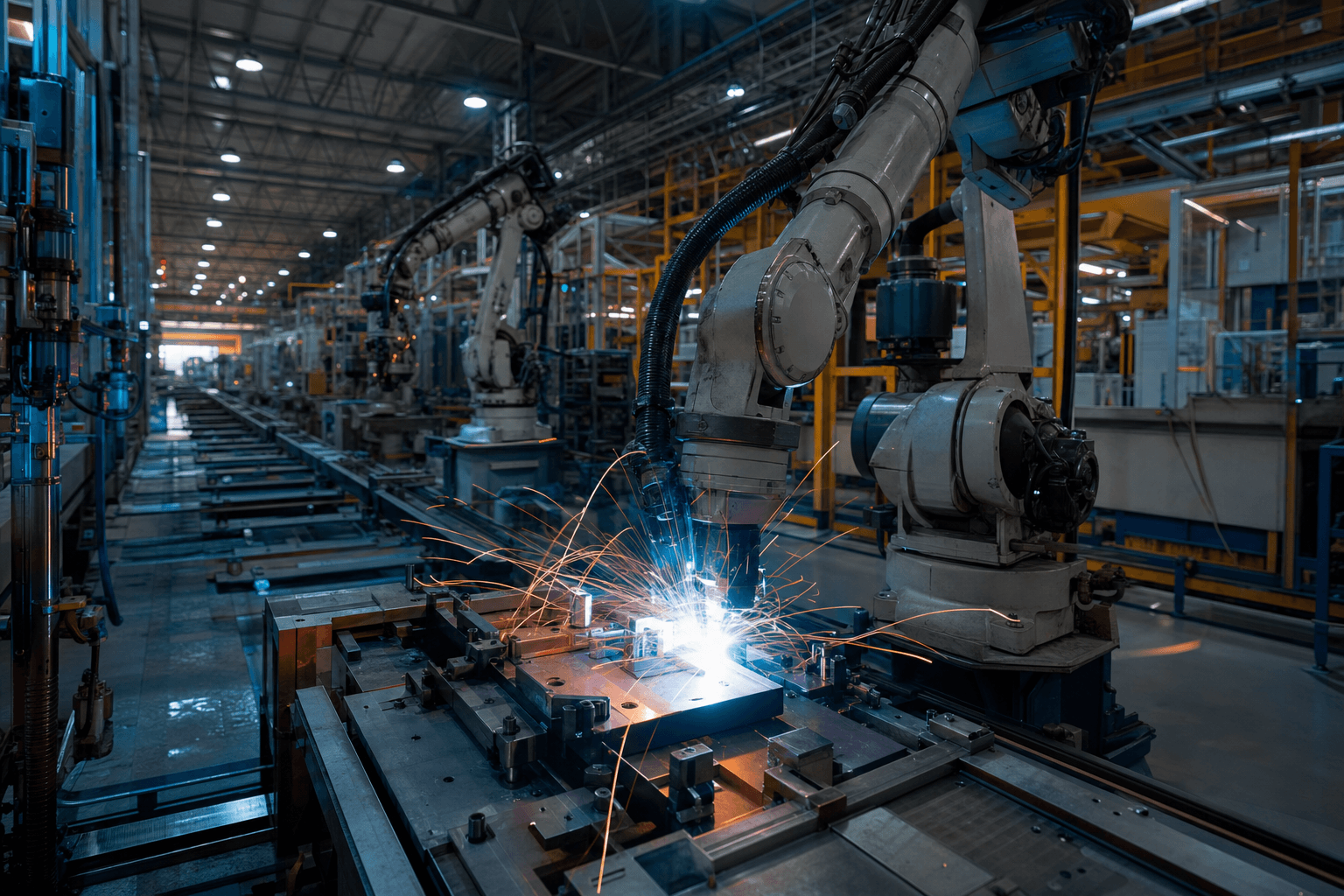
Factories in China, such as Dongji in the Dongji factory tour, have showcased how automation is not only feasible but also profitable. By integrating five welding robots running 24/7, Dongji has demonstrated how mid-tier Chinese OEMs can close the automation gap with European counterparts, reducing manual intervention and labor costs dramatically.
Economic and Strategic Implications
Strategically, the growth of robotic welding also aligns with Industry 4.0 trends that emphasize interconnected systems. Automation does not only lie in robotics themselves but in how these machines communicate within the larger production environment through ERP and MES systems. The seamless integration between these platforms fosters real-time decision making, enhancing productivity further.
While robotic welding presents an upfront investment challenge, the economic advantages are hard to ignore. Improved quality, reduced cycle times, lower scrap rates, and better safety conditions round out a compelling business case. Given these benefits, it’s no surprise that Studies from S&P Global suggest that by 2030, more than 50% of welding tasks may be automated in advanced manufacturing environments.
Conclusion
As industry competition intensifies, the pressure is on procurement managers and supply chain leaders to adopt technologies that optimize both costs and capabilities. Robotic welding provides a versatile and effective solution to these industry challenges. The choice to invest in robotic welding should be pondered not just as a cost-saving measure but as a strategic move towards staying competitive in an increasingly automated world. The pivotal question remains: how will your organization adapt to the changing tides of manufacturing?
OEM buyer FAQ Questions
What is the main advantage of robotic welding?
Robotic welding improves welding precision and consistency while reducing cycle times and rework. This combination leads to cost savings and enhanced product quality.
How does robotic welding impact labor requirements?
While it reduces the need for manual welders, it creates a demand for technically skilled operators to manage and maintain robotic systems. The requirement shifts rather than diminishes.
Is the initial investment in robotic welding justifiable for all manufacturers?
It depends on the scale and nature of operations. For high-volume production environments, the reduced labor costs and increased efficiency quickly recoup the initial investment. However, small-scale operations may need to weigh their options carefully against their production needs.
About This Article
This analysis was prepared with reference to industry data from IFR, ISO, and McKinsey.
For related topics, see our 2026-2030 Industry Outlook
or browse manufacturing capabilities reference.