The landscape of metal fabrication is undergoing significant changes, driven by technological advancements, economic shifts, and evolving consumer demands. For procurement managers and contract manufacturing partner designers, understanding these dynamics is crucial for making informed sourcing decisions. This article delves into the trends, challenges, and innovations in metal fabrication in China, offering valuable insights at an industry level.
Introduction
The Transformation of Metal Fabrication
Industry References
For deeper context on metal fabrication in China standards and best practices, see:
FABTECH
and
SMACNA — Sheet Metal Contractors Association.
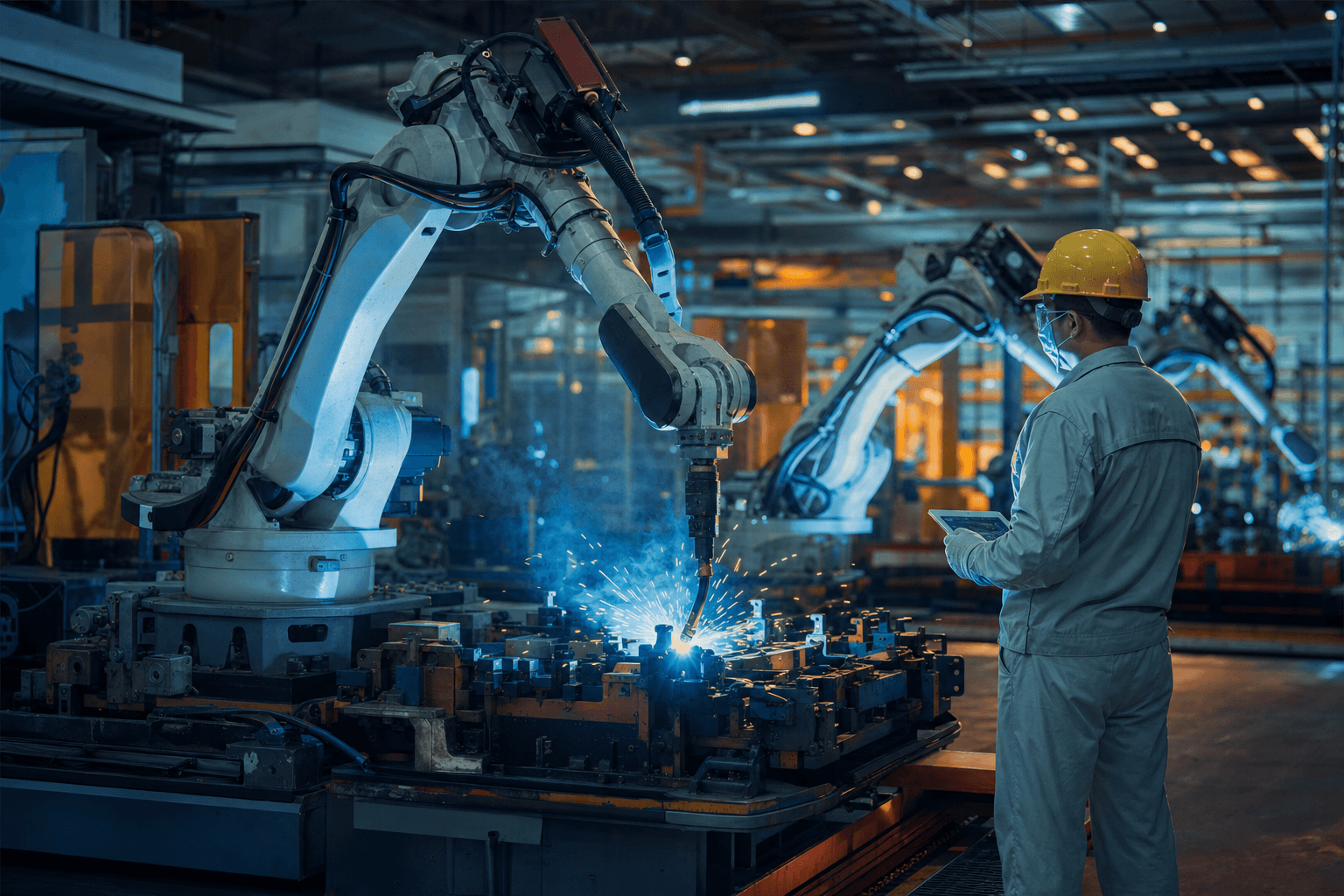
China’s metal fabrication industry has seen a massive transformation over the past decade. According to the International Federation of Robotics (IFR), automation in China has increased remarkably, with more than 150,000 industrial robots installed in the manufacturing sector in 2020 alone. This shift significantly impacts fab shops, where robots perform tasks traditionally done by humans, leading to enhanced precision and efficiency.
In factories such as Dongji Intelligent Equipment in the our 30,000m² factory in the Greater Bay Area, the adoption of robotic welding systems exemplifies this trend, resulting in labor cost reductions of up to 30% across the industry in the last five years. Such facilities showcase how mid-tier Chinese manufacturers are closing the automation gap with their European counterparts.
Economic Considerations: Cost and Quality
When considering sourcing metal fabrication from China, cost and quality remain pivotal factors. While China’s labor costs have risen in recent years, the productivity gains from automation have helped offset these increases. A study by McKinsey highlighted that the total cost of ownership (TCO) for metal parts sourced from China has remained competitive, particularly when factoring in advancements in manufacturing technology and lean practices.
Quality assurance, however, continues to be a challenge. Adherence to international standards such as ISO 9001 (Quality Management Systems) and ISO 3834 (Quality requirements for fusion welding of metallic materials) is crucial for ensuring consistent product quality. Procurement managers must rigorously vet potential manufacturers to guarantee conformance with these standards.
Sourcing Risks and Mitigation Strategies
While opportunities abound, sourcing from China is not without risks. Geopolitical tensions, tariffs, and supply chain disruptions challenge procurement professionals. The S&P Global report from 2023 indicated that geopolitical factors could add unpredictability to lead times and costs.
To mitigate these risks, businesses can diversify their supplier base, employ strategic sourcing, and maintain safety stock. Furthermore, leveraging data analytics for supply chain visibility helps preemptively identify and mitigate potential disruptions.
Comparing Industry Techniques: Laser Cutting vs. Plasma Cutting
Laser Cutting
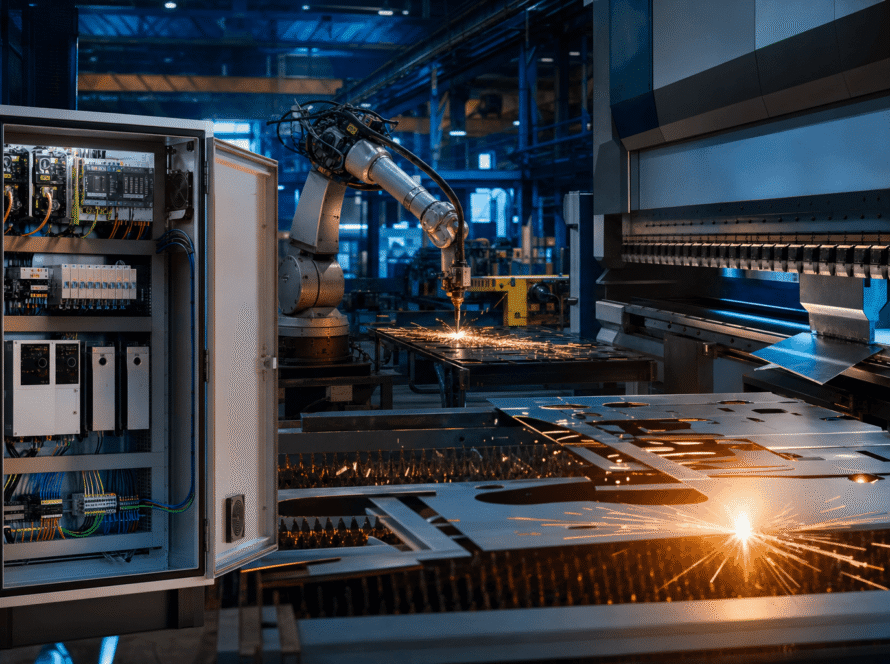
Pros: Offers precise cuts, minimal thermal distortion, capable of cutting complex shapes with fine details. Cons: Higher operating costs and slower cutting speeds compared to plasma cutting.
Plasma Cutting
Pros: Faster cutting speeds and lower operational costs, suitable for thicker materials. Cons: More thermal distortion and less precision compared to laser cutting.
Choosing the right technique depends on the material specifications and the desired quality of the cut, often leading to strategic decisions about where and how a product is fabricated.
Conclusion
As metal fabrication in China continues to evolve, procurement managers must stay attuned to technological and economic trends shaping the industry. The key to successful sourcing lies in balancing cost, quality, and risk while remaining adaptable to a changing global landscape. What might the future hold for metal fabrication in a rapidly automating world? The pursuit of innovation and efficiency will undoubtedly drive the next phase of development.
OEM buyer FAQ Questions
1. What are the main advantages of sourcing metal fabrication from China?
China offers a diverse range of capabilities at competitive prices, along with advancements in automation that improve efficiency and precision. However, assessing quality and supplier reliability is crucial.
2. How can I ensure quality when sourcing from a Chinese metal fabrication plant?
It’s essential to verify compliance with international standards such as ISO 9001 and conduct thorough audits of prospective suppliers. Engaging with third-party inspection services can also help ensure adherence to quality specifications.
3. What strategies can be employed to mitigate risks when sourcing from China?
Diversifying your supplier base, maintaining a buffer stock, and employing strategic sourcing methods can help mitigate risks. Monitoring geopolitical developments and leveraging technology for better supply chain visibility are also vital strategies.
Further Reading
Have a specific procurement question? Our buyer FAQ
addresses common concerns around lead time, certifications, and DFM.
For factory verification standards, see our 12-step manufacturing process documentation.