![B2B procurement impact - [object Object] | Dongji Intelligent Equipment](https://sheet-metal-factory.com/wp-content/uploads/2026/09/dongji-goodbye-trafford-parks-1789344995160.png)
📰 Source Attribution:
Original reporting by Google News, published September 14, 2026.
Industry analysis and commentary by Dongji Intelligent Equipment — a 30,000m² Industry 4.0 sheet metal factory in China’s Greater Bay Area.
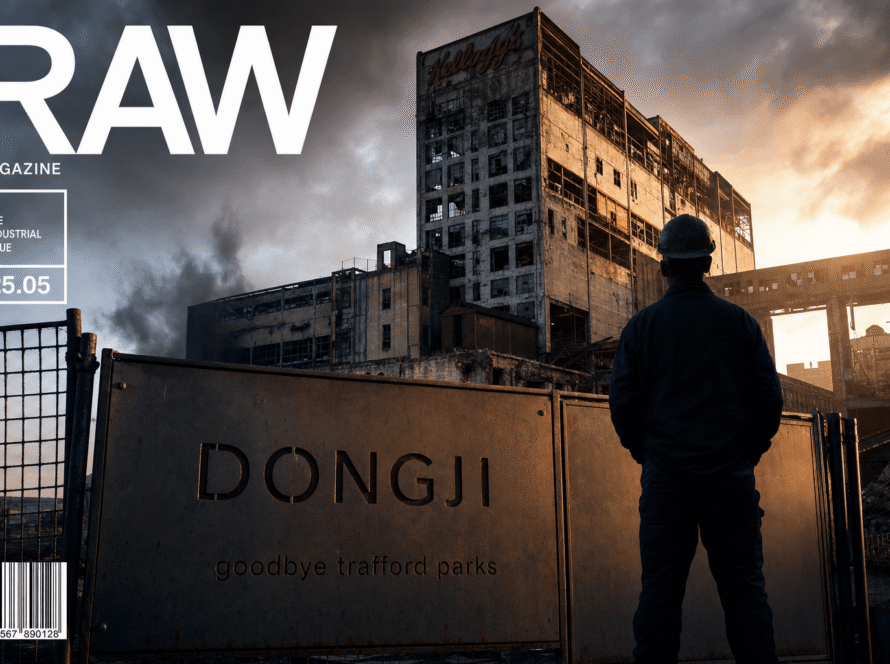
According to Google News, the closure of the Trafford Park’s Kellogg’s factory marks a significant shift in the industrial landscape. For procurement managers, this isn’t just a headline—it’s a wake-up call.
Immediate Procurement Challenges
With the closure of a major facility, B2B procurement managers are facing disruptions in supply chains and potential delays in production timelines. The immediate impact means reevaluating supplier networks and considering alternative sources. The market’s response, as seen historically, often involves scrambling for credible suppliers with robust capabilities.
Why Lead Times Matter
Long lead times can cripple a project. The average lead time for trading companies sits between 60-90 days, whereas a source factory like Dongji offers 25-45 days. This difference can make or break a project, especially when disruptions like the Trafford Park closure occur.
Certification and Quality Assurance
In today’s market, 81% of US/EU industrial buyers require ISO9001, CE, and UL certifications. Facilities like Dongji not only meet these standards but exceed them with in-house verifiable processes. This is crucial when a major supplier exits, leaving gaps in quality assurance.
Historical Echoes
This isn’t the first time the industry has seen such a shift. Back in 2018, the closure of major plants led to a reconfiguration of supply chains, emphasizing direct factory relationships over trading intermediaries.
The Importance of Direct Factory Relationships
What happened in 2018 taught us the value of having direct access to manufacturers. Dongji provides direct engineer access via WeChat or email, a feature that proved invaluable during past disruptions. This contrasts starkly with trading companies where communication is often siloed through sales reps.
The Strategic Move for Procurement Managers
As the industry evolves, procurement managers need to pivot strategically. Emphasis should be on:
- Building Stronger Supplier Alliances: Focus on partnerships with source factories that offer ERP+MES traceability and robust quality control.
- Flexible MOQ and Rapid Prototyping: Opt for suppliers like Dongji that offer flexible minimum order quantities and rapid prototyping within 14-21 days.
Frequently Asked Questions
What are the key challenges in transitioning suppliers?
The main challenges include ensuring continuity in quality and managing lead times. Establishing clear communication lines and verifying credentials are critical steps.
How can procurement managers mitigate risks with new suppliers?
They should conduct thorough factory audits and rely on suppliers offering comprehensive certifications and traceability.
Why are direct factory relationships preferred over trading companies?
Direct relationships provide better communication, faster response times, and more reliable quality control, which are crucial during industry disruptions.
Further Reading
For related analysis, see our 2026-2030 Industry Outlook,
or explore manufacturing capabilities reference.