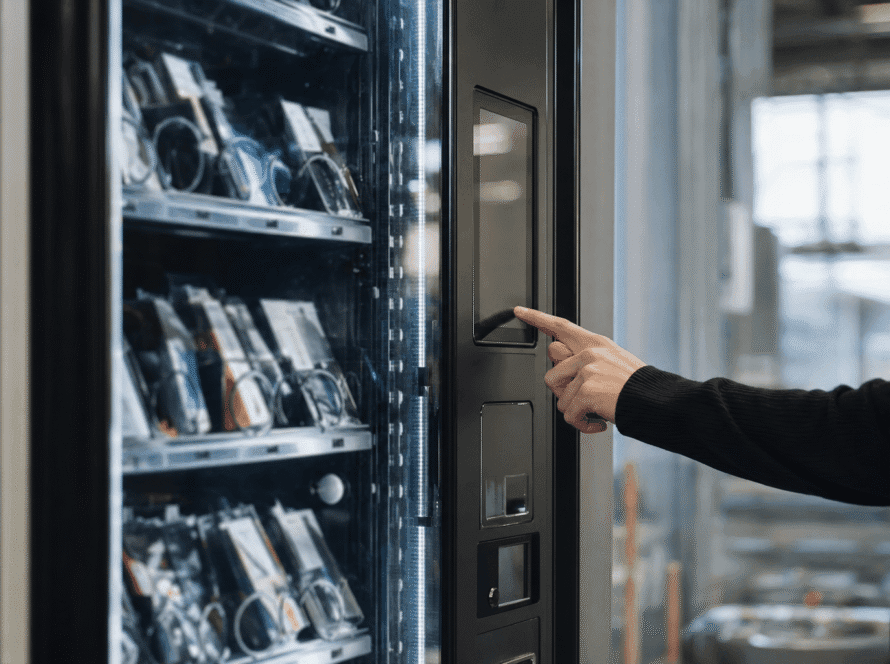
Refining Industrial Enclosure Design
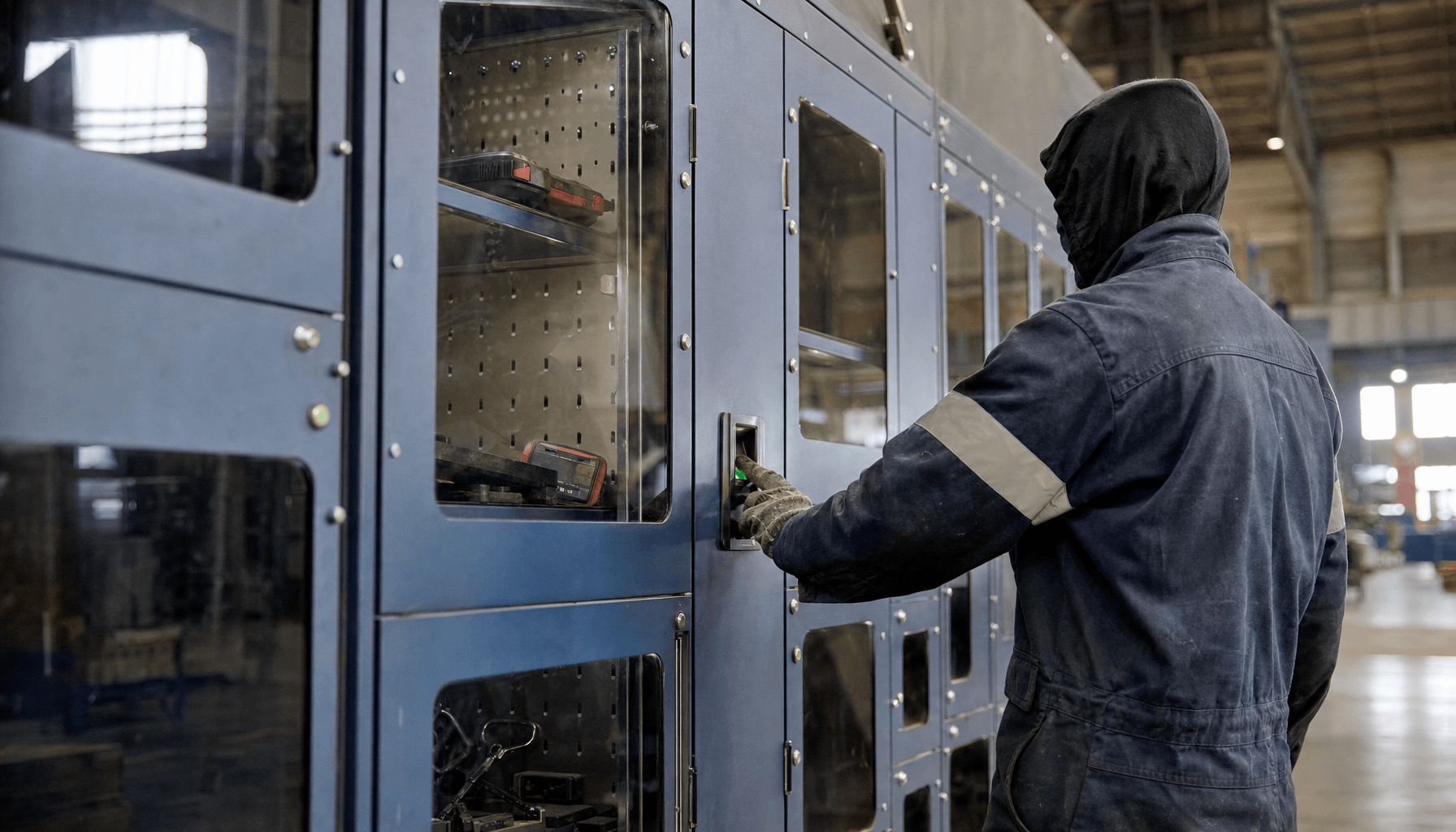
Improving Tool Security in Industrial Settings
In the world of industrial manufacturing, securing tools is critical. Misplaced or unaccounted-for tools don’t just disrupt workflow—they can result in significant financial losses. With the global refinery and smelting sectors valued at $2.73 trillion and expected to grow to $3.49 trillion by 2030 (Statista Market Insights), facility managers are increasingly prioritizing security and compliance in tool tracking systems.
Learn more about our sheet metal fabrication services and how we support B2B OEM/ODM projects.
Comparing Tool Locker Technologies
Advanced security features in tool lockers include RFID, facial recognition, and PIN systems. Each method offers unique benefits and challenges when it comes to monitoring and securing MRO (Maintenance, Repair, and Operations) tools.
RFID technology is prevalent due to its ability to track and record tool movements without direct line-of-sight, making it efficient for busy factory floors. However, factors like interference and cost need consideration.
Facial Recognition systems offer a hands-free, personalized access method, enhancing security by ensuring only authorized personnel access tools. Yet, privacy concerns and initial setup costs are key considerations.
PIN Codes remain a cost-effective, straightforward method. Though less sophisticated, they provide a familiar interface that requires minimal training.
Compliance and Audit Trails
An effective tool tracking system is not just about securing equipment—it’s about ensuring compliance. The ANSI/ASIS PSC.1-2012 standards guide locker systems to maintain audit trails. These records not only help in loss prevention but are vital during audits.
Audit trails meticulously document each transaction, ensuring traceability and accountability within the workspace. Companies like Dongji Intelligent Equipment exemplify the integration of advanced security systems to enhance management processes in their largescale operations.
The Cost of Tool Loss
Beyond basic security, understanding the fiscal implications of tool loss underscores the importance of robust locker systems. With metals like aluminum leading the base metals market at 72 million metric tons (Statista, 2024), even minor inefficiencies can translate into substantial financial impacts.
FAQ
What are RFID’s main advantages in tool tracking?
RFID allows non-contact tracking, essential for efficiently managing tools in expansive environments without requiring line-of-sight.
How does facial recognition improve security?
Facial recognition ensures that only authorized personnel access tools, providing an additional security layer by verifying identity visually.
Is compliance mandatory for all tool tracking systems?
While not mandatory, adherence to standards like ANSI/ASIS PSC.1-2012 is highly recommended for better audit trails and compliance assurance.
Industry References
Version 1.0 — Published October 13, 2026 · Editorial review window: 90 days