China Vs Mexico Sourcing: Cost Reality
The Global Sheet Metal Market: A Shifting Landscape
The sheet metal fabrication market is projected to reach $272.2 billion by 2030, experiencing a 7.0% CAGR. This growth fuels industry debates on sourcing strategies, especially as procurement managers weigh options between established giants and emerging contenders.
Learn more about our our manufacturing process and how we support B2B OEM/ODM projects.
China: Undisputed Leader in Base Metal Production
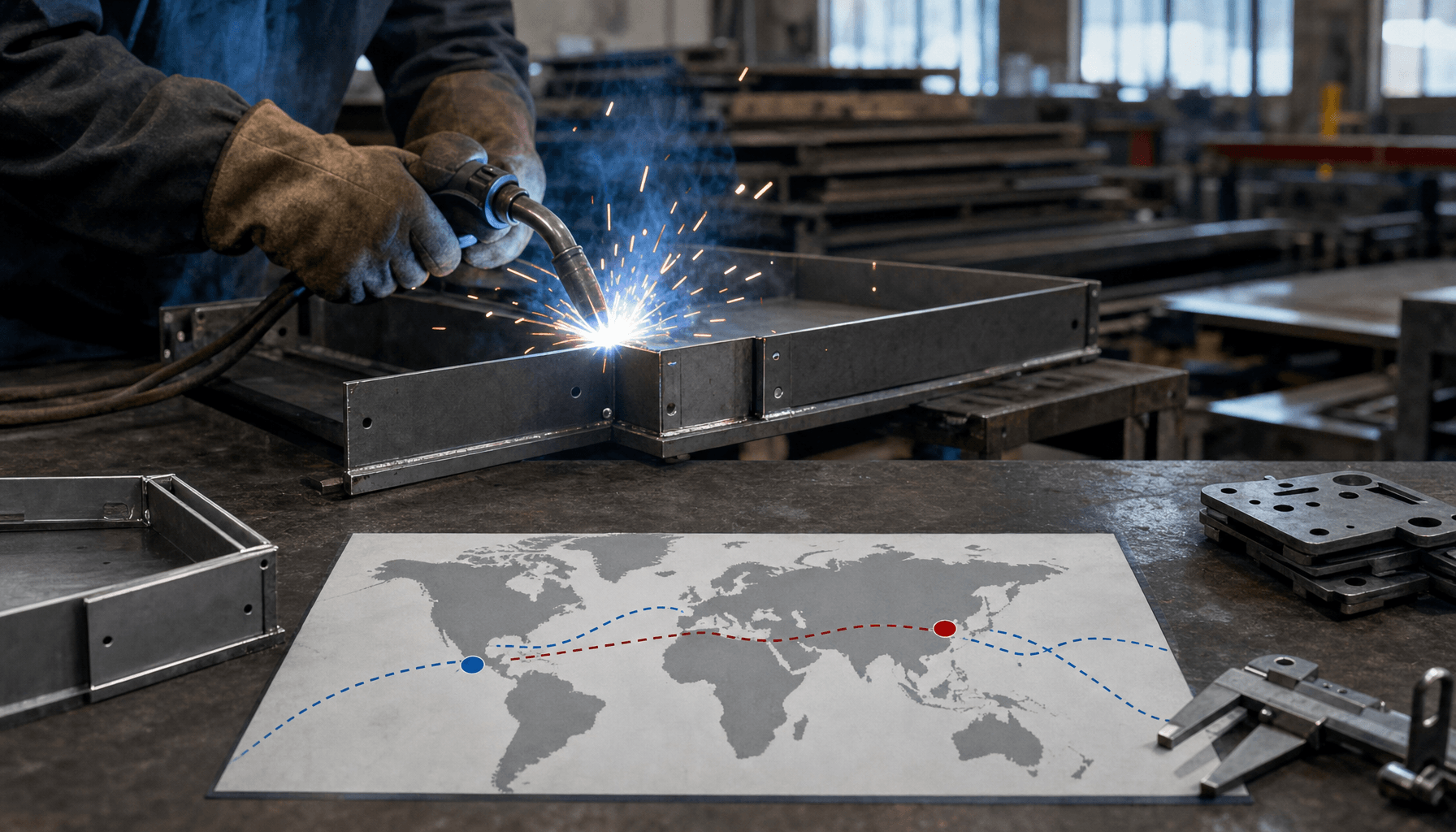
China’s dominance in aluminum production, with approximately 45 million metric tons annually, highlights its cost advantage. However, lower base prices don’t guarantee the best landed cost due to high shipping tariffs and import duties.
Why Mexico is Gaining Attention
Mexico could be the strategic choice for North American buyers due to its duty exemptions under trade agreements like USMCA. While the base cost might be higher than China, the savings in tariffs and logistics often balance the equation.
Evaluating Landed Costs in Sheet Metal Sourcing
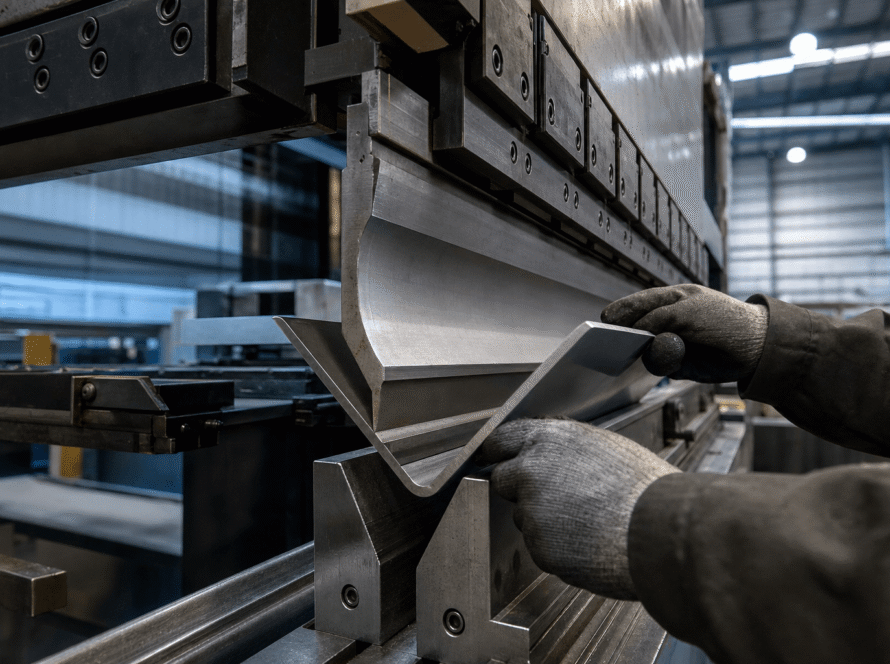
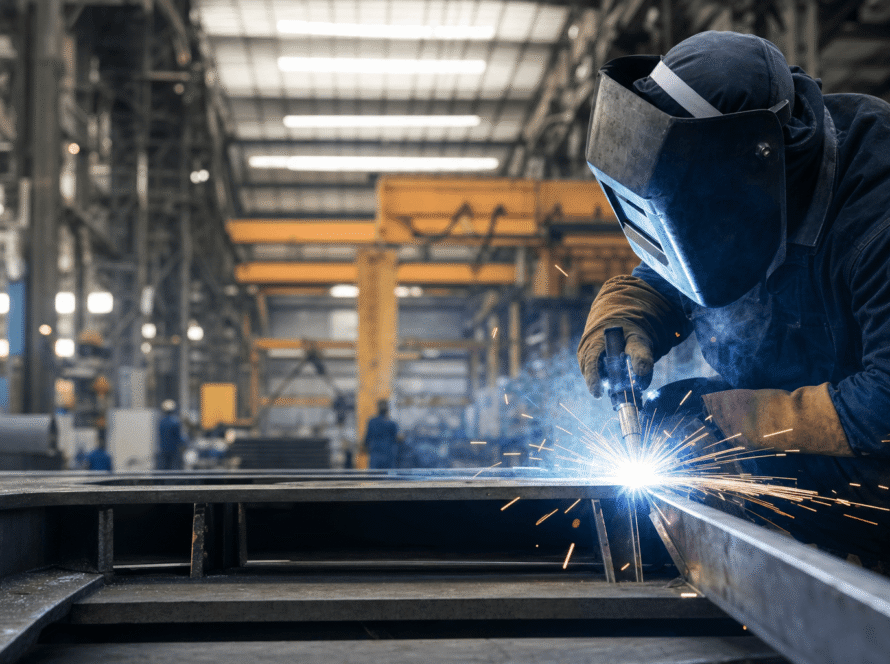
For procurement managers, the real cost lies beyond the simple price per ton. Factors such as shipping routes, CNC bending precision, and robotic welding efficiency are crucial. Dongji Intelligent Equipment, for instance, illustrates how smart manufacturing can complement both Chinese and Mexican sourcing strategies.
FAQ
- How does duty affect sourcing costs?
Duty impacts total landed cost, making countries like Mexico more appealing under certain trade agreements.
- What role does technology play in manufacturing efficiency?
Advancements like robotic welding can reduce production time and improve precision across borders.
- Is the base cost the only consideration in sourcing?
No, procurement should factor in tariffs, logistics, and local compliance standards.
Industry References
Version 1.0 — Published November 16, 2026 · Editorial review window: 90 days