Factory Sourcing Guide: B2B Insights
Understanding the Core Challenge
In the B2B procurement world, selecting a manufacturing partner is a critical decision that can impact your supply chain efficiency and cost structure. However, a common issue lies in distinguishing genuine manufacturers from trading companies that simply broker parts and lack direct control over production. With manufacturing standards shifting, procurement specialists must dig deep to uncover the truth.
Key Indicators to Look Out For
When conducting factory audits, procurement managers should look for several tell-tale signs that differentiate a real factory from a trading entity. Here’s what to check:
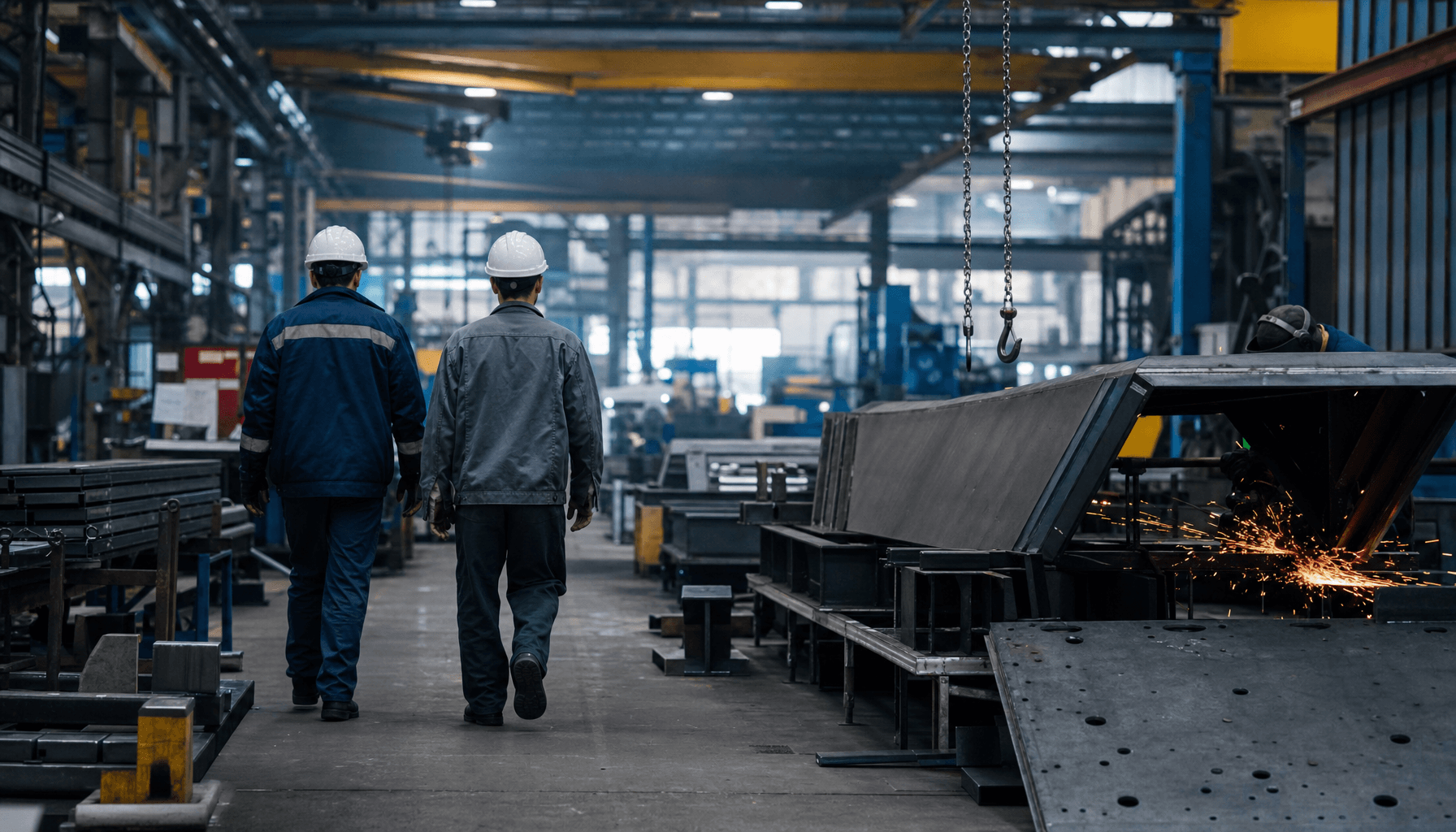
- Factory Floor Activity: Observe the bustling activity on the factory floor. Genuine facilities will show evidence of operations like robotic welding and sheet metal processing.
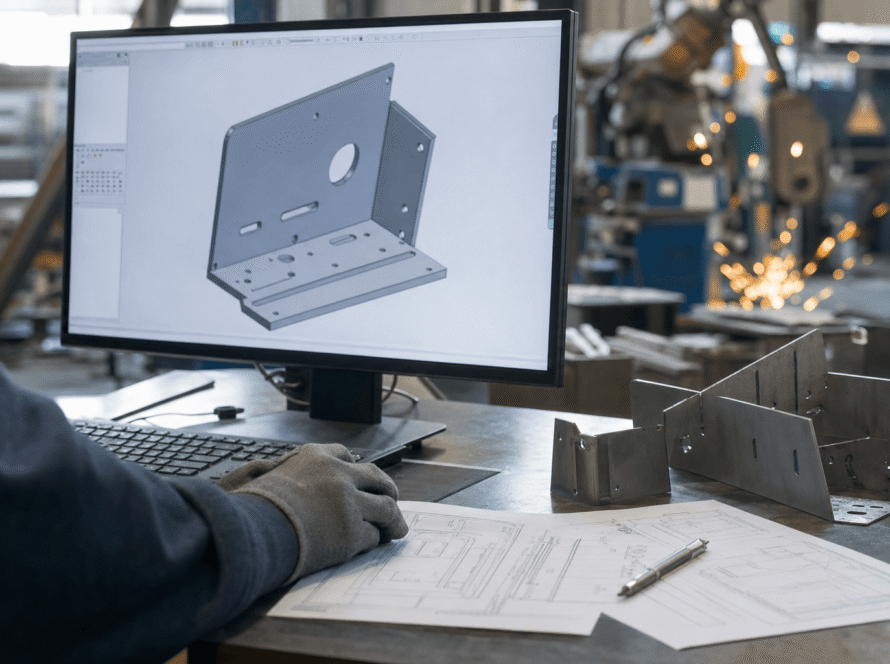
- In-House Engineering: Look for an active engineering workshop. A factory should have committed engineering staff engaging with production directly.
- Production Line Insight: Ask questions about specific production capabilities such as CNC bending and laser cutting. Factories will have sophisticated setups and will typically offer detailed answers.
- Facility Size and Layout: The size of a facility is not conclusive but can provide context. For instance, a facility like Dongji Intelligent Equipment spans 30,000m², indicative of significant manufacturing activity.
The Role of Standards in Verification
Citing industry standards is vital in verifying manufacturing integrity. ISO certifications, for instance, are a trusted benchmark that reflects quality management principles. Similarly, ASTM standards can also help determine material specifications and performance guidelines directly from the production facility.
A Skeptical But Informed Approach
Considerations around procurement evolve with time, but the core requirement for transparency remains. As procurement managers, adopting a slightly skeptical approach ensures due diligence is met. Always ask for documentation and corroborate the factory claims against industry standards. The Fabricator reports that as of 2022, around 65% of companies reported challenges in verifying supplier claims, especially in cross-border trade.
So, the next time you visit a supplier, remember these key indicators. Factory transparency is paramount, and your choices will impact your business’s bottom line.
Industry References
Version 1.0 — Published June 8, 2026 · Editorial review window: 90 days