Factory Sourcing Guide: MOQ Insights
Understanding MOQ Shifts in a New Era
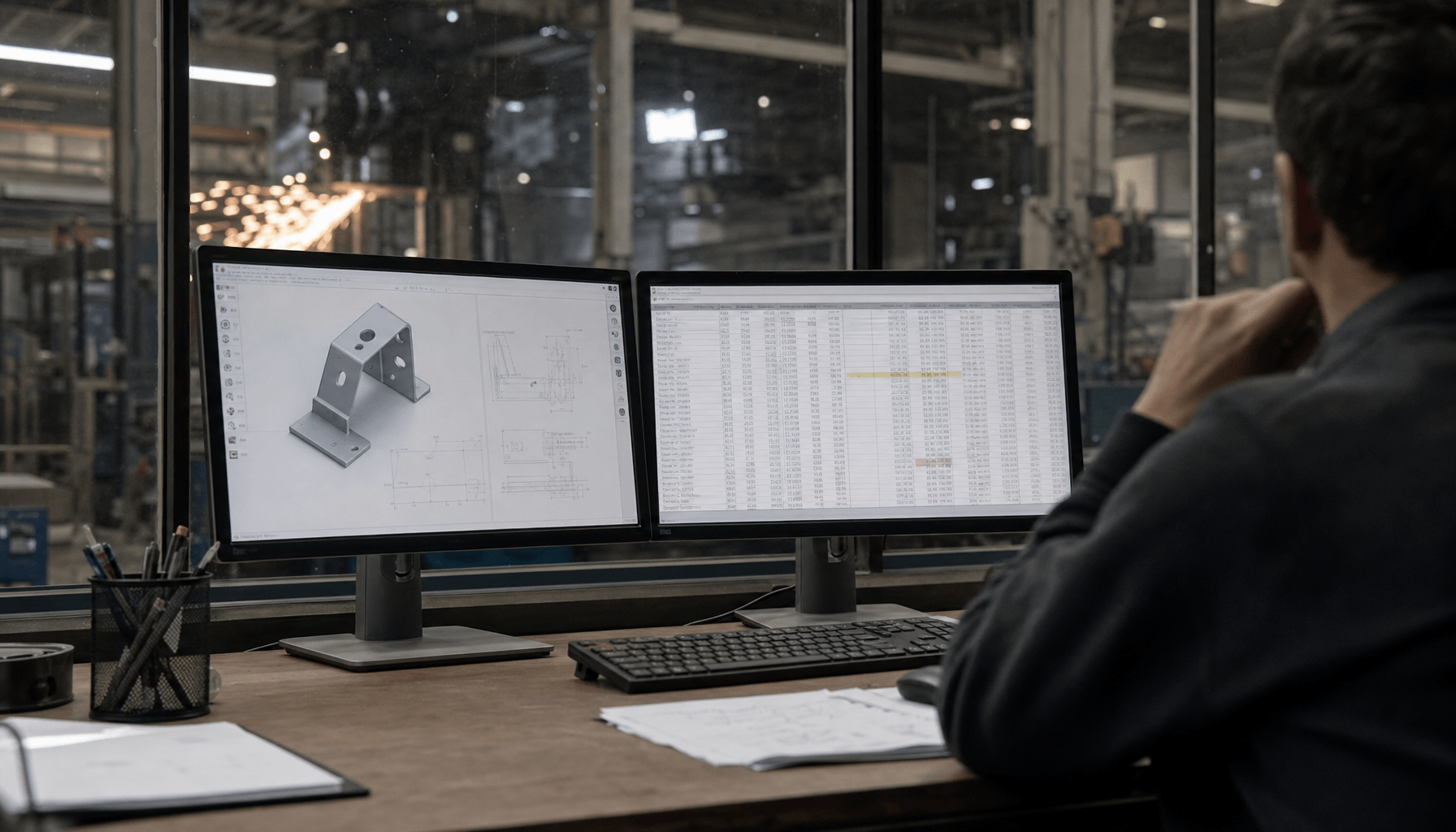
The landscape of industrial production is shifting rapidly, and nowhere is this more evident than in the realm of Minimum Order Quantity (MOQ). Historically, MOQ was a key barrier for small to medium-sized enterprises struggling to keep their inventory lean while managing supplier constraints. However, recent advancements in automation have rendered this challenge more manageable.
The Role of Automation in Reducing MOQs
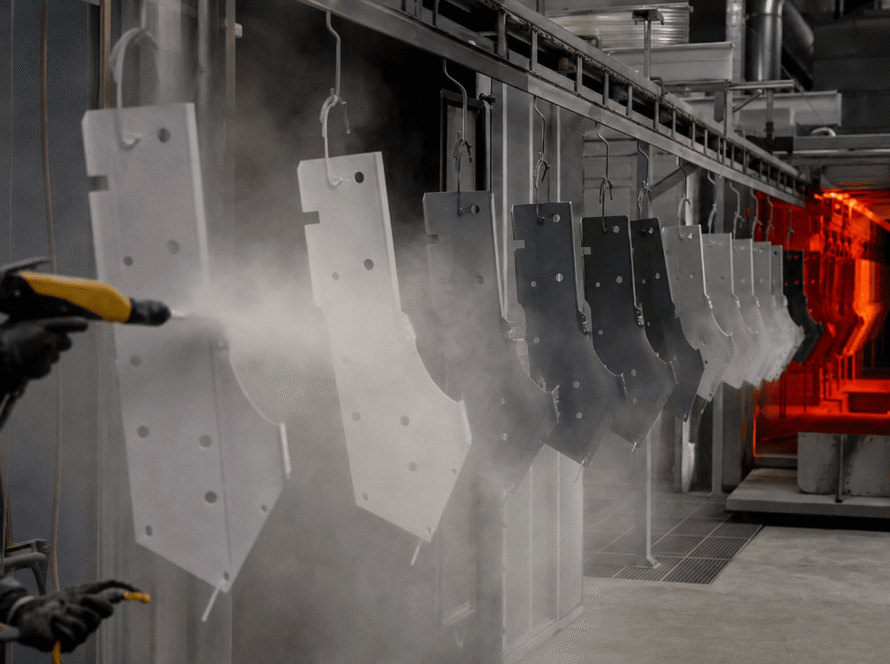
The integration of automation technologies like robotic welding and smart vending machines has allowed manufacturers to significantly reduce their MOQs. This change is not just anecdotal; data from the International Federation of Robotics (IFR) indicates a 20% increase in industrial robotic deployments, directly correlating to production efficiencies that facilitate lower MOQ thresholds.
Automation in Action: A Case Study
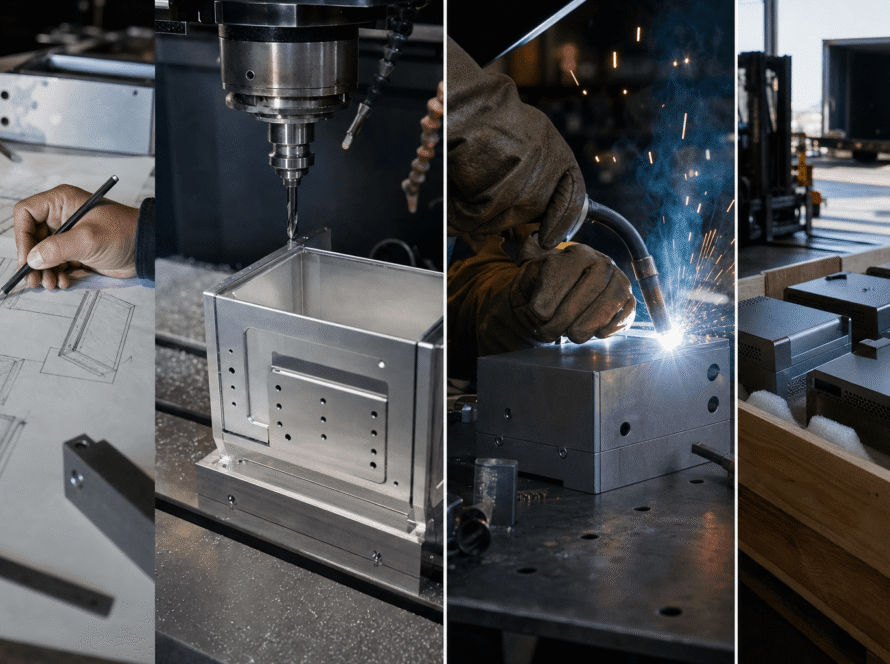
Consider Dongji Intelligent Equipment based in China’s Greater Bay Area. This facility epitomizes how cutting-edge automation can lower MOQs, offering flexibility without compromising on quality. With a 30,000m² factory space established in 2011, Dongji has adapted to modern demands, serving as an example of the broader industry trend.
Standards and Compliance: A New Benchmark
Alongside these advancements, adherence to stringent standards such as ISO 9001 and IEC quality benchmarks remains crucial. These certifications ensure the production processes are not only efficient but also meet global quality expectations. As automations increase, maintaining compliance becomes an intricate dance of technology and standards.
Innovations in Modern Agricultural Equipment
New categories of agricultural equipment are benefiting from reduced MOQs, making innovations more accessible. With smart vending machines and industrial lockers easing inventory constraints, businesses are reaping the benefits of flexible sourcing options. This evolution underscores the mutual empowerment of suppliers and buyers in navigating smaller order economies.
Version 1.0 — Published June 23, 2026 · Editorial review window: 90 days