Industrial Enclosure Design for EV Chargers
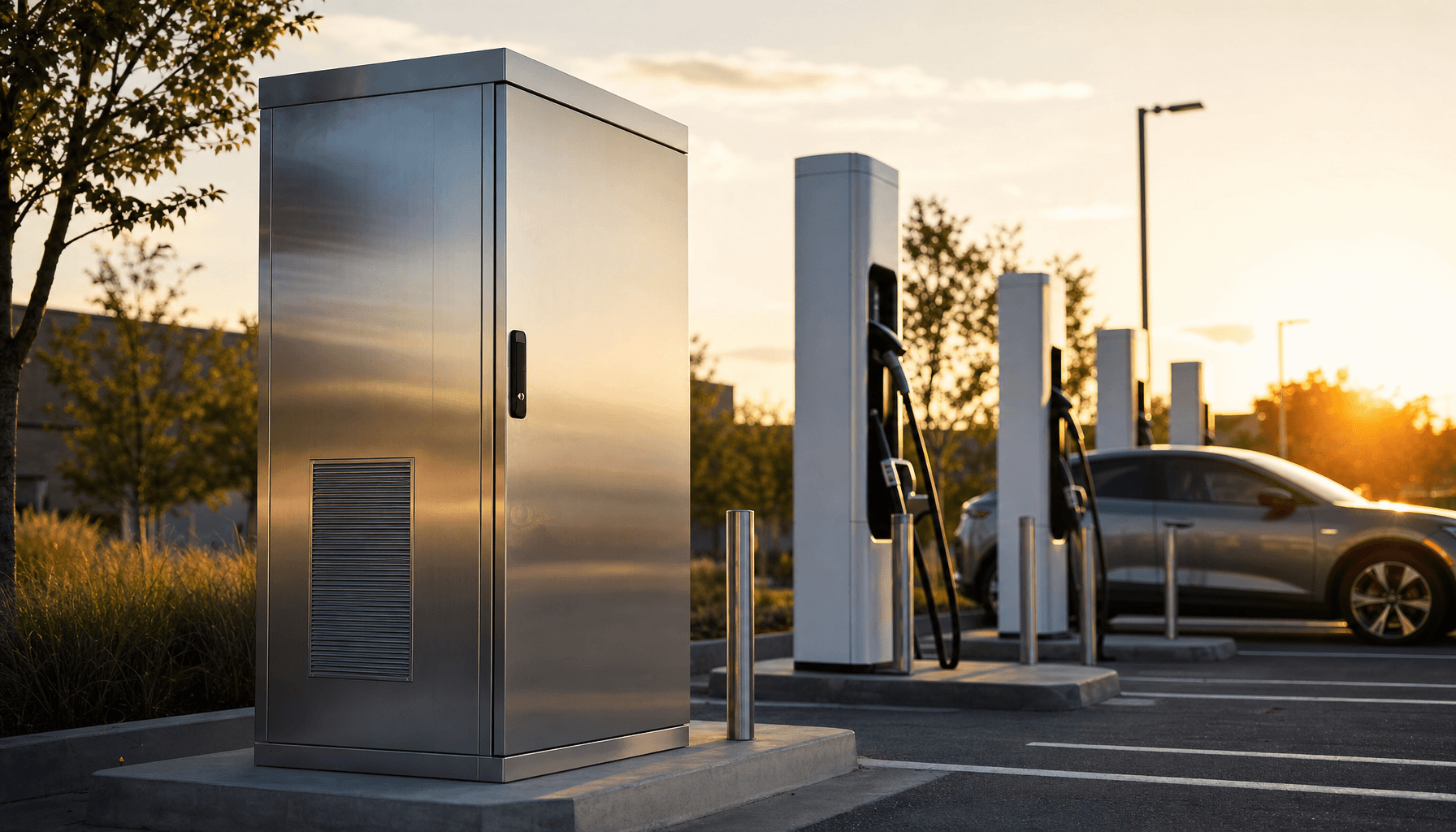
Understanding Industrial Enclosure Needs for EV Chargers
\n
The world is rapidly transitioning to electric vehicles (EVs), changing the demands of industrial enclosure design. With a projected 7.0% CAGR leading the global sheet metal fabrication market to $272.2 billion by 2030 (Industry research via Dongji 2026-2030 Outlook), manufacturers face the challenge of engineering efficient and reliable enclosures for EV charging stations.
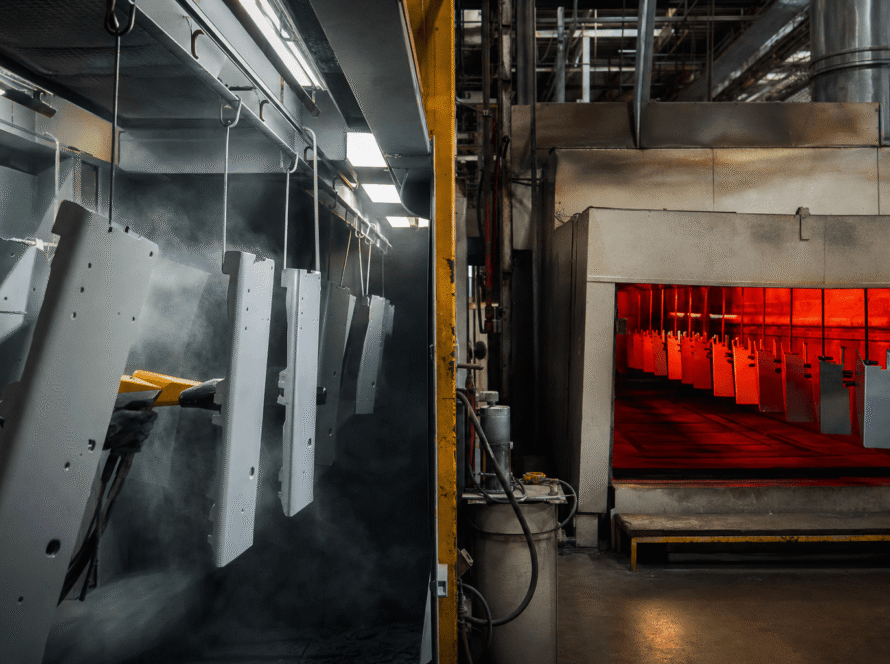
Learn more about our our manufacturing process and how we support B2B OEM/ODM projects.
Learn more about our sheet metal fabrication services and how we support B2B OEM/ODM projects.
\n
Decoding IP54 vs IP65 Ratings
\n
The Ingress Protection (IP) rating signals how well an enclosure can withstand environmental factors. Understanding IP ratings is crucial for procurement managers seeking longevity and efficiency in their investments. IP54 offers basic protection against dust and water splashes, whereas IP65 provides complete protection against dust and low-pressure water jets. This higher protection is ideal for outdoor settings.
\n
NEMA 4 Standards and Industrial Reliability
\n
The National Electrical Manufacturers Association (NEMA) provides another key standard, with NEMA 4 indicating suitability for harsh environments. These standards ensure not just protection from the elements but also resistance to corrosion and external ice formation, essential for outdoor EV charging stations.
\n
Beyond Thick Walls: The Role of Heat Dissipation
\n
While thick enclosures might seem like a straightforward solution, heat dissipation becomes a more essential factor in design. Efficient thermal management prevents overheating, thus extending the lifespan of the components inside. This approach requires engineering prowess beyond simply adding bulk, illustrating why companies like Dongji focus on innovation in heat management.
\n
FAQ
\n
- \n
- Q: Why prioritize heat dissipation in EV enclosures?\n
- \n
- A: Efficient heat dissipation prevents overheating, protecting electronic components and ensuring durability.
- Q: What is the difference between IP54 and IP65?\n
- \n
- A: IP54 provides basic dust and water splash protection, whereas IP65 offers complete dust ingress and low-pressure water jet resistance.
- Q: How does NEMA 4 benefit EV charging stations?\n
- \n
- A: NEMA 4 ensures resistance to harsh environments, including rain, ice, and corrosive substances.
\n
\n
\n
Industry References
Version 1.0 — Published October 24, 2026 · Editorial review window: 90 days