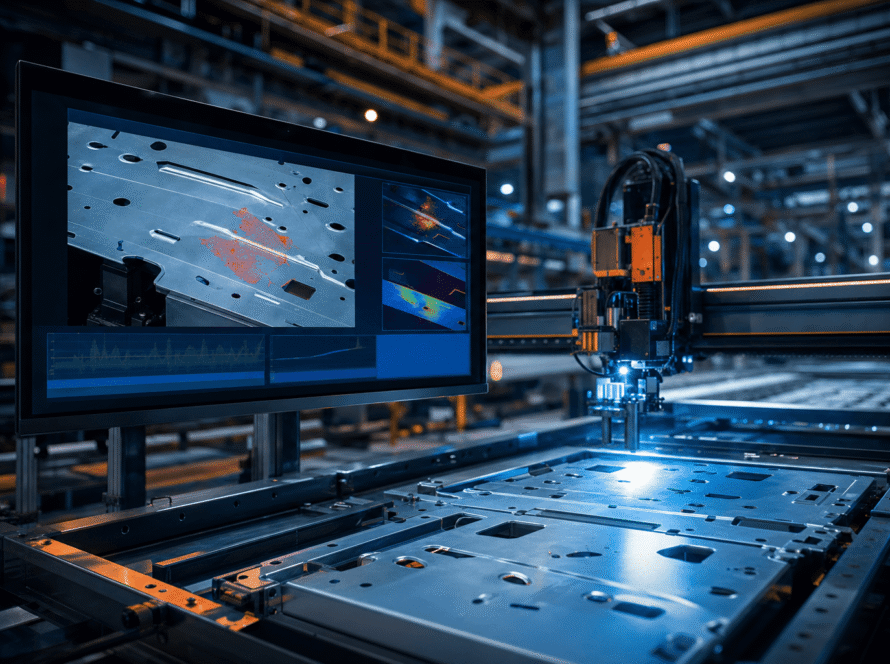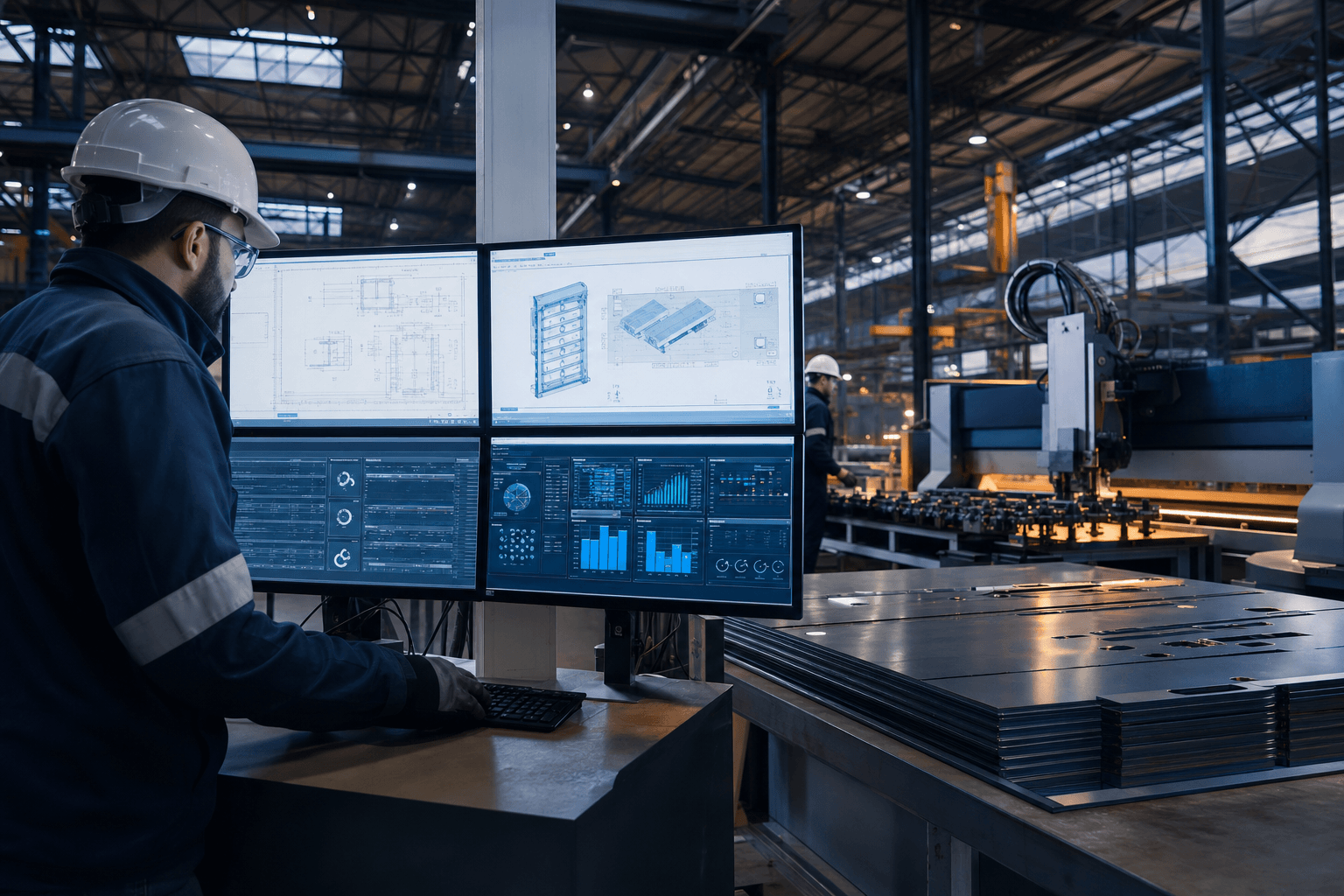
The integration of Manufacturing Execution Systems (MES) and Enterprise Resource Planning (ERP) systems in sheet metal fabrication is transforming the way manufacturers operate. As complexity in the shop floor operations increases, procurement and operations managers are seeking robust solutions to enhance efficiency, improve lead times, and optimize resources.
MES ERP Systems: Key to Enhancing Efficiency in precision metal fabrication services
Streamlining Production Flow
Industry References
For deeper context on MES ERP systems sheet metal standards and best practices, see:
AWS — American Welding Society
and
EVA — European Vending Association.
MES and ERP systems provide a comprehensive approach to managing production flows. They integrate data across departments, offering visibility into inventory management, order processing, and production scheduling. According to a report by S&P Global, manufacturers implementing MES/ERP systems report a 20-40% increase in operational efficiency, attributed to better resource allocation and reduced waste.
These systems automate data collection, transforming a traditionally manual and error-prone process. By real-time tracking of jobs and resources, MES facilitates immediate feedback on production status. For procurement managers, this means more accurate forecasting and scheduling, leading to significant cost savings.
A notable example of this integration is evident in some industry leaders who have embraced automated manufacturing techniques, where MES systems communicate directly with CNC machines, eliminating setup errors and enhancing precision.
Compliance with Industry Standards
Compliance with international standards is a critical aspect of fabricating high-quality metal products. Standards like ISO 9001 (quality management systems) and IEC 60204 (safety of machinery) mandate detailed documentation and traceability, areas where MES systems excel.
By maintaining real-time quality control data, these systems ensure that every part of the fabrication process is documented, aiding compliance. This documentation not only improves product quality but also serves as a shield against potential liability issues, a concern frequently encountered by procurement managers.
Moreover, MES/ERP systems enable seamless integration with digital compliance tools, reducing the administrative burden and helping companies adapt to new regulatory requirements swiftly. For instance, new guidelines in sustainability and energy consumption can be readily embedded into the systems to ensure eco-friendly production practices.
Economic Impacts
The economic benefits of implementing MES/ERP systems extend beyond just cost savings. According to a study conducted by McKinsey, manufacturers leveraging these systems can reduce lead times by approximately 50%. This is achieved through efficiencies gained in production planning, better equipment utilization, and improved inventory tracking.
When considering global sourcing options, countries like China and Mexico have seen a surge in investments towards automating their manufacturing sectors. This trend is notable in facilities such as Dongji Intelligent Equipment in the factory capability overview, where investments have been made in robotic welding and MES systems to maintain competitiveness on a global scale.
However, implementing such systems requires a substantial upfront investment. Procurement officers need to evaluate the total cost of ownership, which includes software licenses, hardware costs, and training expenses. The return on investment typically manifests in the form of minimized downtime, enhanced product quality, and strategic insights provided by data analytics.
Strategic Considerations for Implementation
When selecting an MES/ERP system, a critical factor is its compatibility with existing production technologies. A flexible system that allows for scalability and custom sheet metal manufacturer environments often found in sheet metal fabrication. Moreover, systems providing an open API structure facilitate future enhancements and integration with other technological solutions like IoT devices.
Another strategic consideration is the choice between cloud-based and on-premises solutions. While cloud-based systems offer scalability and easier updates, on-premises systems can provide enhanced data security and control—factors vital for operations dealing with sensitive or proprietary information.
As demand grows for advanced manufacturing solutions, partnerships between software vendors and factories become crucial. Only through collaborative efforts can software functionality be effectively tailored to meet the specific needs of sheet metal manufacture.
sheet metal sourcing FAQs Questions
What are the key differences between MES and ERP systems?
ERP systems focus on high-level processes like finance, supply chain, and human resources. MES is more operational, dealing with production scheduling, quality control, and performance analysis directly on the shop floor.
How do MES/ERP systems improve compliance in sheet metal fabrication?
They automate tracking of production data, providing detailed documentation required for compliance with standards such as ISO 9001 and IEC 60204. This ensures traceability and enhances quality assurance.
What challenges should be anticipated when implementing these systems?
Major challenges include high initial costs, the need for employee training, and potential disruptions during installation. However, long-term benefits often outweigh these initial hurdles, offering significant efficiency gains.
For specific technical references, see our methodology.