In the ever-evolving landscape of custom sheet metal fabrication, procurement managers face a conundrum: how to balance quality, cost, and speed without compromising on any element. With the global market for sheet metal fabrication projected to grow at a CAGR of 3.4% through 2027 (S&P Global, 2023), understanding the nuances of sourcing is more critical than ever.
Navigating the Complexities of Precision Sheet Metal Sourcing
The Technical Aspects: Accuracy and Standards
Industry References
For deeper context on precision sheet metal sourcing standards and best practices, see:
ISO — International Organization for Standardization
and
NAMA — National Automatic Merchandising Association.
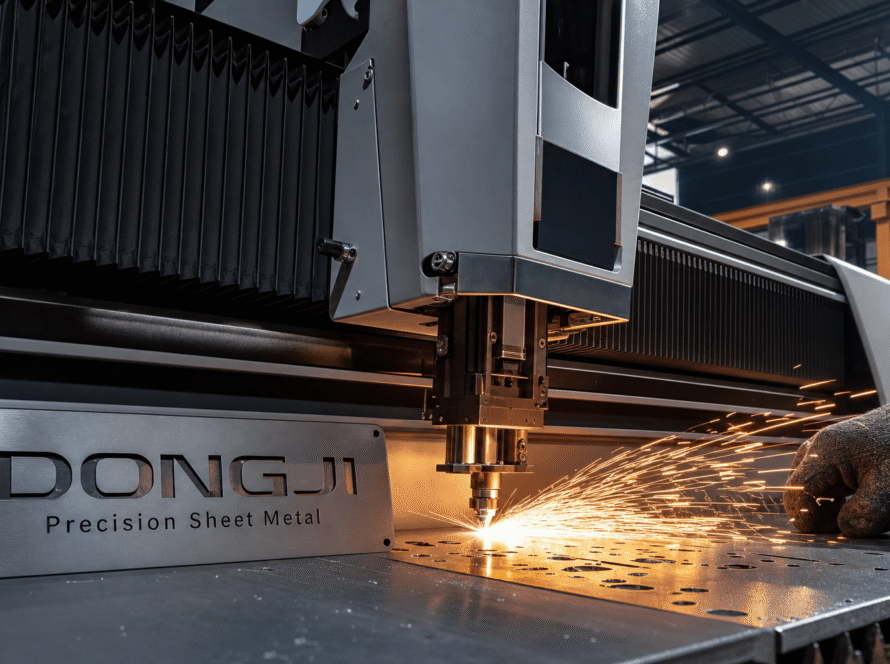
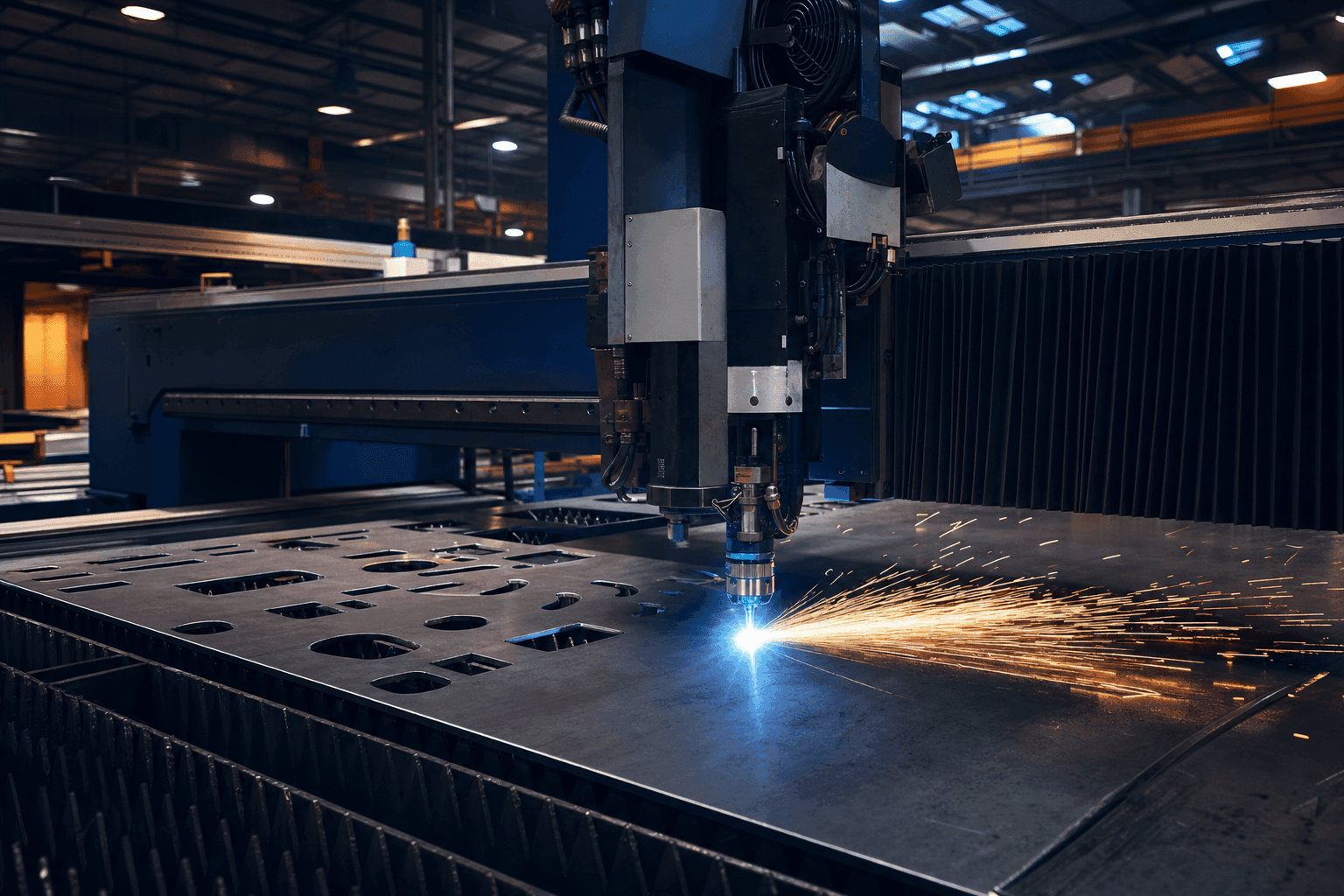
Precision is key in sheet metal fabrication and hinges on adherence to tight tolerances and meticulous specifications. For instance, when dealing with laser-cut mild steel under 6mm, expect a tolerance of 0.1-0.2mm. Sheets thicker than that typically require a ±0.3mm allowance due to thermal distortion caused during the cutting process.
Conformance to industry standards such as ISO 9001, which governs quality management systems, remains a non-negotiable requirement for many sectors. Likewise, recognizing tolerances required by standards like IEC 60204, especially for electrical safety in machinery, is essential for those sourcing components that will eventually integrate into sophisticated equipment.
Economic Considerations: Costs and Market Dynamics
Economic fluctuations and material prices remain unpredictable. The recent uptick in global steel prices, influenced by geopolitical tensions and supply chain disruptions, has further complicated procurement strategies. According to BloombergNEF’s latest materials cost forecast, there has been an 8% rise in steel prices since early 2023, making cost projections increasingly challenging.
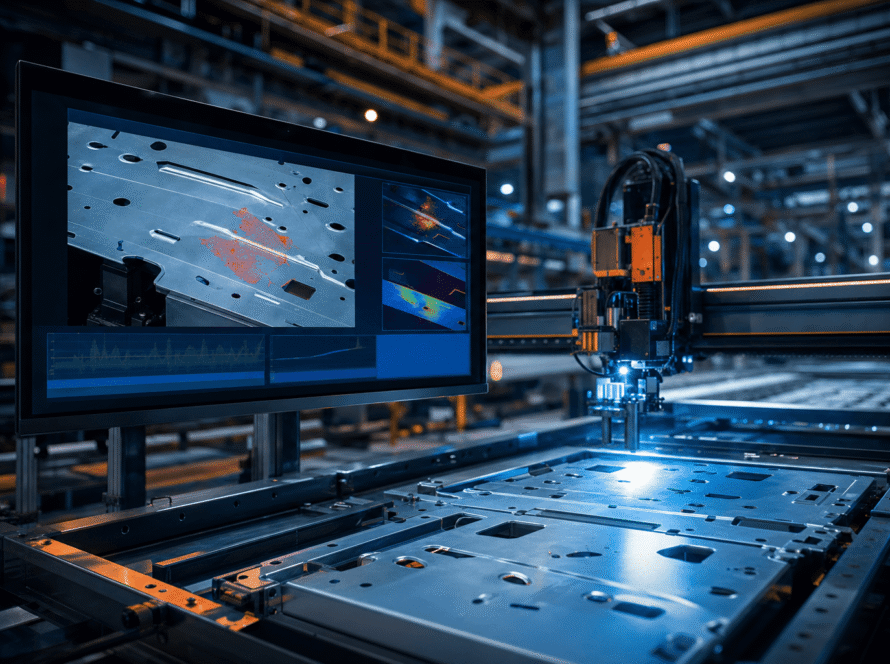
Moreover, automation and labor reduction strategies, like those implemented in facilities equipped with robotics, are shifting the cost dynamics in favor of buyers who value precision and efficiency. Notably, some Chinese factories, like Dongji Intelligent Equipment in the Greater Bay Area, have incorporated robotic welding extensively, reducing fabrication labor costs by over 30% industry-wide.
Technology and Innovation: Industry 4.0 and Beyond
Industry 4.0 represents a significant shift in manufacturing, characterized by the integration of digital technologies with physical production systems. Factories that leverage IoT, big data analytics, and robotics in their production lines enhance traceability and production accuracy. This digital transformation aids in real-time monitoring of supply chains, reducing the lead times considerably.
A factory capability overview.com/faqs/” style=”color:#0056b3;font-weight:600;text-decoration:underline;text-decoration-color:#0056b3;text-underline-offset:2px;” target=”_blank” rel=”noopener”>OEM buyer FAQ Questions
Q1: What is the difference between ISO 9001 and other standards? ISO 9001 focuses on quality management systems, ensuring consistency and quality in production processes, whereas other standards like IEC 60204 are specific to electrical safety in machinery.
Q2: How does robotic welding impact fabrication costs? Robotic welding can significantly reduce labor costs, improve precision, and increase production speed. Facilities using extensive robotic systems have reported over 30% reduction in fabrication labor costs.
Q3: Is laser cutting suitable for all types of metals? Laser cutting is excellent for precision work, especially for materials under 25mm thick. However, for highly reflective materials, laser cutting is less effective due to beam reflection, making waterjet cutting a better alternative.
Further Reading
Have a specific procurement question? Our buyer FAQ
addresses common concerns around lead time, certifications, and DFM.
For factory verification standards, see our 12-step manufacturing process documentation.