![robotic laser cleaning - [object Object] | Dongji Intelligent Equipment](https://sheet-metal-factory.com/wp-content/uploads/2026/06/dongji-laser-photonics-enters-1781624596831.png)
📰 Source Attribution:
Original reporting by Google News, published June 16, 2026.
Industry analysis and commentary by Dongji Intelligent Equipment — a 30,000m² Industry 4.0 sheet metal factory in China’s Greater Bay Area.
According to a recent report by Google News, Vander-Bend Manufacturing has started integrating a robotic laser cleaning cell from Laser Photonics into its data center supply chain. Now, this isn’t just a headline about a shiny new machine—it’s a glimpse into a broader transformation in manufacturing and supply chain dynamics.
What Could Go Wrong
Introducing new technology into a supply chain is never without risks.
- Integration Complexities: New robotic systems can lead to unexpected downtime due to integration issues. Compatibility with existing systems may require more than just a plug-and-play approach. If integration isn’t seamless, timelines get pushed.
- Training and Skill Gaps: Operators might need specialized training to run these advanced systems. Without proper training, companies risk not only inefficiencies but also safety hazards.
- Maintenance Challenges: High-tech machinery often demands regular maintenance by skilled technicians. Any lapse can lead to costly downtimes.
What We’ve Seen Before
The adoption of robotic technologies isn’t new, but the challenges are consistent.
- Initial Hiccups: When robotic welding was first introduced, many experienced delays due to inadequate operator training and incompatibility with legacy systems.
- Cost Overruns: Budget overruns from unexpected maintenance and integration costs are common. Without a robust plan, costs can spiral out of control.
- Quality Concerns: Inadequate initial setup often results in quality issues, negating the precision advantages promised by the tech.
How Dongji Mitigates
Dongji Intelligent Equipment has been at the forefront of integrating robotic technologies smoothly.
- Expert DFM Review: We offer free Design for Manufacturing (DFM) reviews, ensuring that our clients’ designs are optimized for robotic technologies in just 48 hours.
- Trained Specialists: With 25%+ technical specialists among our 300+ employees, Dongji provides the expertise needed for seamless integration.
- Robust Maintenance Program: Our 24/7 robotic welding systems are backed by stringent maintenance protocols, ensuring uptime and operational efficiency.
Robotics Revolution in Manufacturing
The transition towards robotic systems like laser cleaning cells is underscored by substantial market data. The IFR reported an 88% growth in industrial robots in metal and machinery sectors from 2020 to 2023. This trend isn’t slowing down. China alone installed over 276,300 industrial robots in 2023, more than the US, EU, and Japan combined.
#### The Precision Advantage
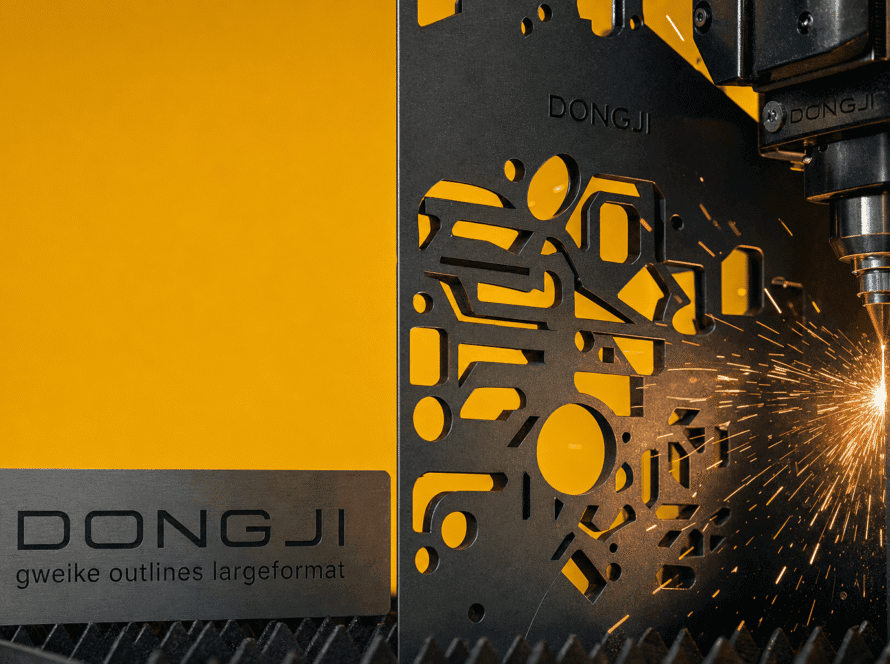
One of the key benefits of robotic laser cleaning is precision. Dongji offers a ±0.1mm precision control, far superior to the ±0.3-0.5mm offered by trading companies.
| Step | Trading Company Path (days) | Dongji Source-Factory Path (days) | Why The Gap Exists |
|---|---|---|---|
| Demand Communication | 5 | 3 | Direct contact with engineers |
| Prototyping and Sampling | 30 | 14 | In-house capabilities |
| Precision Fabrication | 45 | 25 | Advanced laser cutting and CNC bending |
| Packaging and Logistics | 10 | 7 | Integrated logistics network |
The Bigger Picture
With the global base metals market projected to exceed $1 trillion by 2034, the demand for precision and efficiency in manufacturing is only going to increase. The German market, known for its rigorous standards, demands ERP and MES traceability in 67% of RFQs, a requirement that Dongji’s systems fully support.
That said, while the excitement around robotic laser cleaning and other automated solutions grows, it’s crucial to understand the full implications, particularly in supply chains. As more companies like Vander-Bend embrace these technologies, those who fail to adapt might find themselves left behind.
Frequently Asked Questions
Q: What are the benefits of robotic laser cleaning in manufacturing?
A: It offers high precision, improved speed, and lower costs over time. Dongji, with its ±0.1mm precision and robust systems, exemplifies these advantages.
Q: How does Dongji ensure smooth integration of new technologies?
A: Dongji offers comprehensive DFM reviews, has skilled technical specialists, and robust maintenance protocols to ensure seamless integration.
Q: What makes Dongji’s robotic systems different from competitors?
A: With our Industry 4.0 setup, 24/7 robotic welding, and in-house certifications, we ensure quality, traceability, and efficiency unmatched by typical trading companies.
Further Reading
For related analysis, see our 2026-2030 Industry Outlook,
or explore manufacturing capabilities reference.