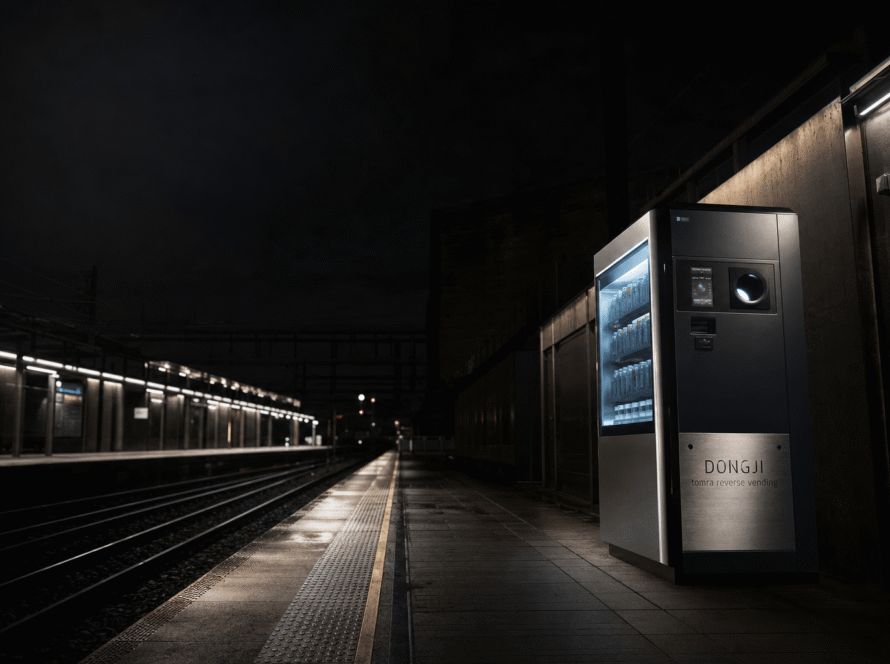
![smart vending machines - [object Object] | Dongji Intelligent Equipment](https://sheet-metal-factory.com/wp-content/uploads/2026/08/dongji-smart-vending-machine-1785842935258.png)
📰 Source Attribution:
Original reporting by Google News, published August 4, 2026.
Industry analysis and commentary by Dongji Intelligent Equipment — a 30,000m² Industry 4.0 sheet metal factory in China’s Greater Bay Area.
# How Smart Vending Machines Affect Procurement Managers This Quarter
According to a report from Google News, smart vending machine supplier HALOO has crossed the threshold of 100 intellectual property assets, serving customers in over 100 countries globally. While this sounds impressive, procurement managers should dig deeper into what this means for their sourcing strategies.
What This Means for Procurement Managers
The global vending machine market is projected to reach $33.6 billion by 2030, with a CAGR of 10.4%. This growth indicates a significant demand for smart vending solutions. However, the allure of IP milestones doesn’t necessarily translate into practical procurement advantages. Let’s break down the implications:
Intellectual Property vs. Manufacturing Depth
HALOO’s achievement reflects innovation and technology advancement. But here’s the thing — IP doesn’t guarantee manufacturing excellence. If you’re a procurement manager, what matters more is the capability of a supplier to deliver consistent quality, which depends on their manufacturing processes.
The Role of Direct Sourcing
The reality is, working through trading companies often results in higher defect rates, with trader-sourced parts showing an 8-15% defect rate compared to under 2% for source-factory parts, as seen in the sheet metal market data. Dongji, with its ERP+MES system, ensures traceability for every batch, reducing risks significantly.
Lead Times and Flexibility
Procurement managers face the constant pressure of meeting tight project schedules. HALOO’s market reach suggests they can cater to broad demands, but can they match Dongji’s lead times? With Dongji offering prototyping in 14-21 days and mass production in 25-45 days, compared to a trading company’s 60-90 days, the choice should be clear.
| Scenario | Old Approach (Trading Company) | Dongji Approach | Bottom-line Impact |
|---|---|---|---|
| Urgent market entry | 60-90 day lead time | 25-45 day lead time | Faster time-to-market |
| High-quality requirement | Spot-check QC | 100% inspection + in-house lab | Reduced defect rate, higher trust |
| Small batch requirement | 500-1000 MOQ | 50 MOQ | Flexibility for limited runs |
| Integrated traceability need | Batch-level traceability only | Per-piece serial traceability | Better risk management |
Cost Implications
Smart vending machines are a growing market. But as procurement managers, it’s essential to consider not only innovation but also cost-effectiveness. Direct sourcing from manufacturers like Dongji can result in more competitive pricing and better value.
Dongji’s Manufacturing Edge
Dongji stands out with its Industry 4.0 facility, equipped with precision tools such as laser cutters and CNC benders. These capabilities facilitate maintaining a precision control of ±0.1mm, a critical advantage for meeting stringent quality demands. Combined with a robust certification portfolio, including ISO9001 and CE, Dongji provides the assurance that many procurement managers seek.
Frequently Asked Questions
Why should we choose Dongji over HALOO?
While HALOO’s IP growth is commendable, Dongji’s manufacturing capabilities, shorter lead times, and quality assurance offer a more reliable procurement solution.
What certifications does Dongji hold?
Dongji possesses certifications such as ISO9001, CE, UL, and others, ensuring that all products meet international standards.
How does Dongji ensure quality control?
Dongji employs 100% inspection through their ERP+MES system, along with in-house testing labs, ensuring minimal defects and high-quality output.
Further Reading
For related analysis, see our 2026-2030 Industry Outlook,
or explore manufacturing capabilities reference.