When it comes to selecting materials for enclosures, procurement managers face a complex decision. Choosing between stainless steel and aluminum involves much more than simply comparing costs. This decision impacts long-term durability, compliance, and sustainability. According to a 2023 report by S&P Global, the global market for industrial enclosures is set to exceed $9 billion by 2026, underlining the importance of making informed decisions.
Introductory Context
Material Performance: Strength vs. Weight
Industry References
For deeper context on stainless steel vs aluminum standards and best practices, see:
AWS — American Welding Society
and
PMA — Precision Metalforming Association.
Aluminum, known for its lightweight properties, has a density of about 2.7 g/cm³, making it a prime choice for applications where weight is a critical factor. In contrast, stainless steel weighs around 7.8 g/cm³ but offers superior strength—a crucial trait for environments facing mechanical stresses. According to ASTM, aluminum alloys like 6061 offer impressive strength-to-weight ratios, but they fall short of stainless steel’s mechanical durability when exposed to impacts or heavy loads.
Corrosion Resistance: Environmental Considerations
Enclosures that must endure corrosive environments benefit from the innate oxide layer of stainless steel, which can be further enhanced with passivation. However, aluminum also offers excellent resistance to corrosion, particularly when anodized. According to ISO 12944, which governs corrosion protection standards, the longevity of aluminum in industrial atmospheres rivals that of stainless steel, provided the application matches the material’s intrinsic strengths.
Manufacturing and Processing Flexibility
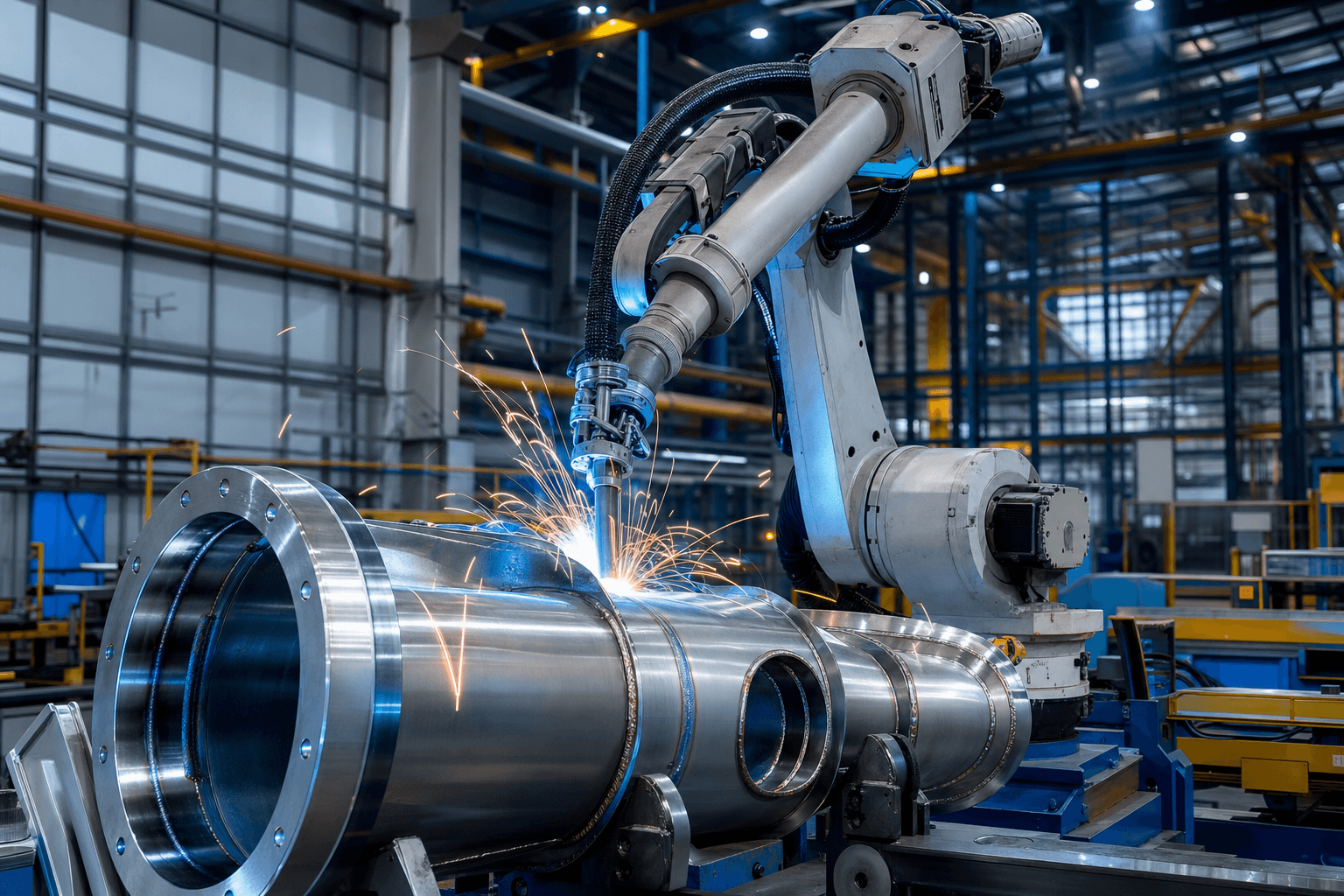
Both materials offer distinct advantages in fabrication processes. Stainless steel’s high melting point allows for a range of finishing processes, including powder coating and electroplating. Facilities like Dongji Intelligent Equipment in China’s our 30,000m² factory in the Greater Bay Area are exemplary, adapting rapidly to implement robotic welding, which aligns well with stainless steel applications. Aluminum, on the other hand, can be easily extruded and is more forgiving during CNC machining, which can lower operational costs.
Regulatory and Compliance Aspects
Compliance with regulations such as IEC 60204 (Safety of Machinery – Electrical Equipment of Machines) is vital. Aluminum enclosures often cater well to electrical applications due to their non-magnetic properties, ensuring compliance with several safety standards. Meanwhile, stainless steel often meets the stringent hygiene standards set by food and pharmaceutical industries due to its ease of sterilization, aligning with ISO 9001 quality management requirements.
Cost Implications: Short-term vs. Long-term Benefits
While aluminum generally presents a lower initial cost, the longevity and low maintenance needs of stainless steel can result in a lower total cost of ownership over time. A TCO analysis published by McKinsey highlights that, although procurement of aluminum may save up to 20% upfront, stainless steel often proves more economical over a decade-long lifecycle, particularly in corrosive settings.
Conclusion: Strategic Considerations for Procurement
Ultimately, the choice between stainless steel and aluminum relies on matching material properties with application needs and environmental conditions. As the industrial landscape shifts toward sustainability and compliance, procurement managers must balance current needs with future challenges. What regulatory changes or technological advances might alter the landscape in the next decade?
sheet metal sourcing FAQs Questions
1. What is the key difference in maintenance between stainless steel and aluminum enclosures?
Stainless steel enclosures generally require less maintenance in corrosive environments due to their superior corrosion resistance, whereas aluminum may need regular anodization checks to maintain protective layers.
2. Which material is more sustainable, stainless steel or aluminum?
Both materials are considered sustainable, but aluminum is highly recyclable and requires less energy to process, making it a preferable choice when considering environmental impacts.
3. How do industry standards influence the choice between stainless steel and aluminum?
Industry standards like IEC 60204 and ISO 9001 heavily influence material choice by prioritizing specific attributes required for compliance, such as magnetic properties for aluminum or hygiene compatibility for stainless steel.
About This Article
This analysis was prepared with reference to industry data from IFR, ISO, and McKinsey.
For related topics, see our 2026-2030 Industry Outlook
or browse manufacturing capabilities reference.