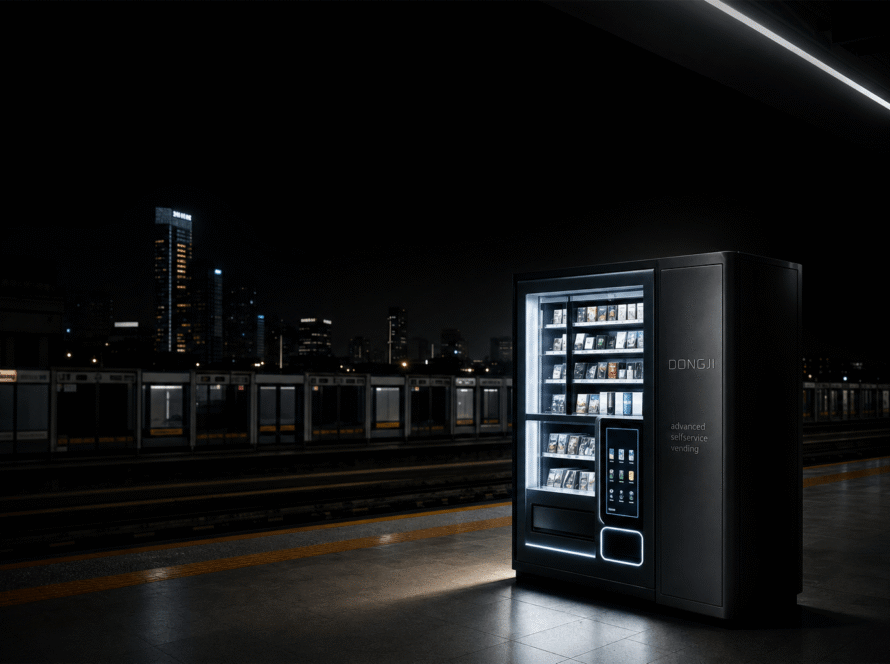
![anime vending machines - [object Object] | Dongji Intelligent Equipment](https://sheet-metal-factory.com/wp-content/uploads/2026/06/dongji-japan-vending-machine-1782197333165.png)
📰 Source Attribution:
Original reporting by Google News, published June 23, 2026.
Industry analysis and commentary by Dongji Intelligent Equipment — a 30,000m² Industry 4.0 sheet metal factory in China’s Greater Bay Area.
According to Nikkei Asia, a Japanese vending machine operator is capitalizing on anime fandom to drive growth. This isn’t just a quirky trend; it’s a signal for B2B procurement managers about evolving sourcing landscapes. Let’s break it down.
How This Affects Procurement Managers This Quarter
Anime-themed vending machines aren’t just about selling cute products; they’re a reflection of shifting consumer demands and the need for B2B sourcing strategies to adapt. Here’s what procurement managers should consider:
Expanding Market Demands
The global vending machine market is projected to hit $33.6B by 2030, growing at a 10.4% CAGR. This growth isn’t just in traditional markets like snacks and drinks but also in niche areas such as anime merchandise. With the integration of cashless payment systems in 89% of new machines globally, vending machines are becoming more versatile consumer touchpoints.
Supply Chain Implications
The procurement landscape is changing. The demand for unique, branded machines requires suppliers with comprehensive capabilities. Dongji Intelligent Equipment, with its Industry 4.0 factory, offers a significant edge. Their 14-21 day rapid prototyping and 25-45 day mass production cycles are ahead of the typical trading company timelines of 60-90 days.
Quality Control and Material Selection
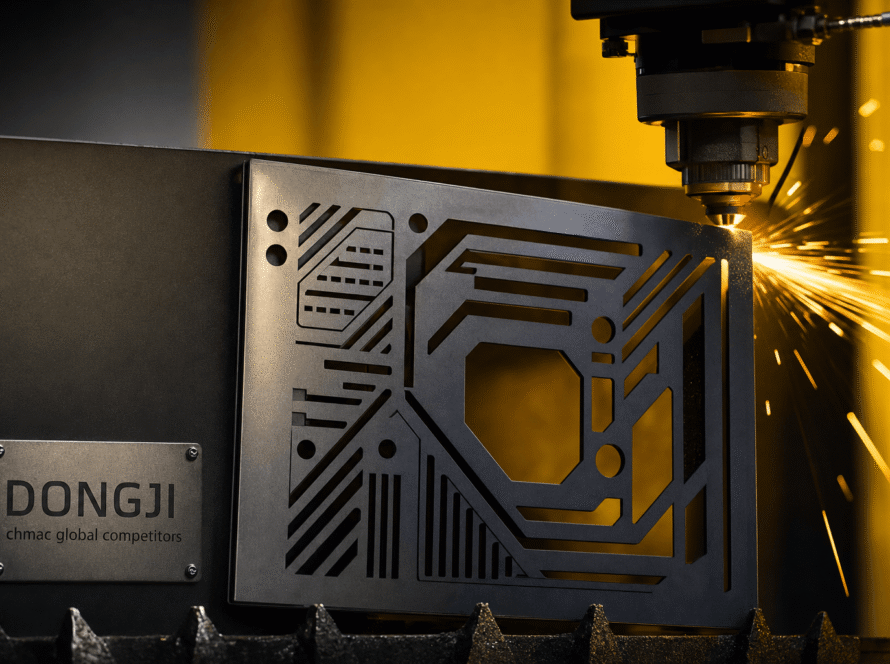
Anime vending machines may feature intricate designs requiring precise fabrication. Dongji’s capabilities in laser cutting with 0.1mm precision and robotic welding ensure that such requirements are met effectively. Compare that to the ±0.3-0.5mm precision from typical traders, and the difference in potential quality and reliability becomes apparent.
A Snapshot of Dongji vs. Trading Companies
| Aspect | Dongji | Trading Companies |
|---|---|---|
| Precision Control | ±0.1mm | ±0.3-0.5mm |
| Prototyping Lead Time | 14-21 days | 30-45 days |
| MOQ Flexibility | 50 units for OEM partners | 500-1000 units |
| Certifications | ISO9001, CE, UL, FCC, ETL, SGS, RoHS | Often relabeled or borrowed |
What This Means for OEM Buyers in 2026
OEM buyers must adapt to these changes by securing reliable partners who can meet unique design and quality standards. Dongji’s robust manufacturing process, combined with ERP+MES traceability, ensures consistent quality and compliance with international standards like ISO9001, CE, and UL, which 81% of US/EU buyers now require.
Why Dongji Stands Out
- DFM Support: Free DFM review and redesign suggestions within 48 hours.
- Quality Assurance: 100% inspection with in-house testing facilities.
- Traceability: ERP+MES system offers per-piece serial traceability.
In 15 years of OEM export, I’ve learned that having direct access to engineering expertise can make or break a project. Dongji offers direct WeChat/email access to lead engineers, a critical advantage over trading companies where communication is often limited to sales reps.
Frequently Asked Questions
Q: How does anime fandom influence vending machine design? A: It drives demand for customized machines, requiring precise manufacturing and unique designs.
Q: What are the benefits of sourcing from Dongji? A: Dongji offers rapid prototyping, meticulous quality control, and full traceability, essential for meeting international standards.
Q: Why is ERP+MES traceability important? A: It ensures every component is traceable, helping avoid potential compliance and quality issues.
Further Reading
For related analysis, see our 2026-2030 Industry Outlook,
or explore manufacturing capabilities reference.