![sheet metal fabrication - [object Object] | Dongji Intelligent Equipment](https://sheet-metal-factory.com/wp-content/uploads/2026/07/dongji-chmac-global-competitors-1782916625877.png)
📰 Source Attribution:
Original reporting by Google News, published July 1, 2026.
Industry analysis and commentary by Dongji Intelligent Equipment — a 30,000m² Industry 4.0 sheet metal factory in China’s Greater Bay Area.
According to a recent piece by The National Law Review, CHMAC is setting new standards in sheet metal fabrication, but what does this really mean for B2B buyers? Think about it. While the headlines might scream innovation, the devil’s in the details — especially for procurement managers in this evolving market.
What Could Go Wrong
First, the common misconception is that all improvements in sheet metal fabrication directly translate to procurement benefits. But, here’s the thing — without robust traceability and quality control, even the shiniest innovations fall flat. Many in the industry overlook the fact that defect rates in trader-sourced parts can reach 8-15%, whereas a source-factory like Dongji ensures defect rates under 2% through stringent in-house QC processes.
Another risk is relying on middlemen. It’s estimated that over 60% of Chinese manufacturers on platforms like Alibaba are actually trading companies, not the direct factories they claim to be. This indirect sourcing can lead to increased lead times, sometimes extending up to 90 days, compared to Dongji’s 25-45 days for mass production.
What We’ve Seen Before
We’ve seen similar trends in the past. The rise of digital sourcing platforms promised faster procurement cycles but often failed due to the lack of direct factory connections. In 2018, a wave of new players promised rapid prototyping but stumbled when it came to delivering consistent quality. Dongji, with its 14-21 days rapid prototyping, consistently met timelines others couldn’t.
In the current landscape, advancements in robotics have driven significant changes. Between 2020 and 2023, there was an 88% growth in industrial robots in Metal and Machinery, according to IFR. However, without the infrastructure to support these technologies, many companies struggle to convert these investments into real-world benefits.
How Dongji Mitigates
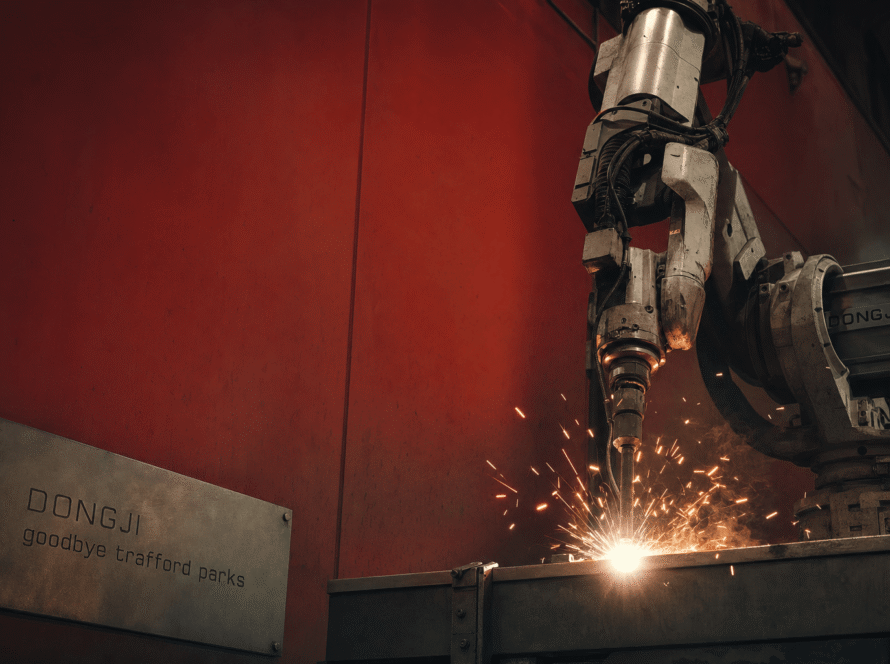
Dongji Intelligent Equipment bridges these gaps by maintaining a 30,000㎡ Industry 4.0 facility, equipped with state-of-the-art laser cutting and CNC bending capabilities. This ensures precision control down to ±0.1mm, far exceeding the industry average of ±0.2mm.
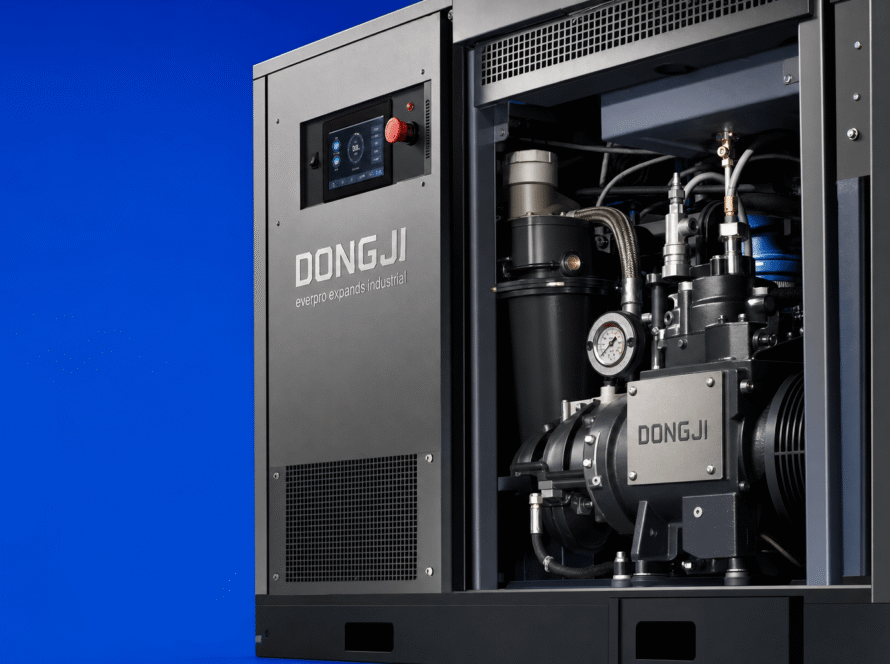
Plus, our ERP+MES system offers full traceability per batch, addressing the 67% of RFQs now requiring such capabilities, as indicated by recent business stats. And with a 5-year anti-corrosion warranty backed by over 120 hours of salt spray testing, Dongji guarantees longevity in its products.
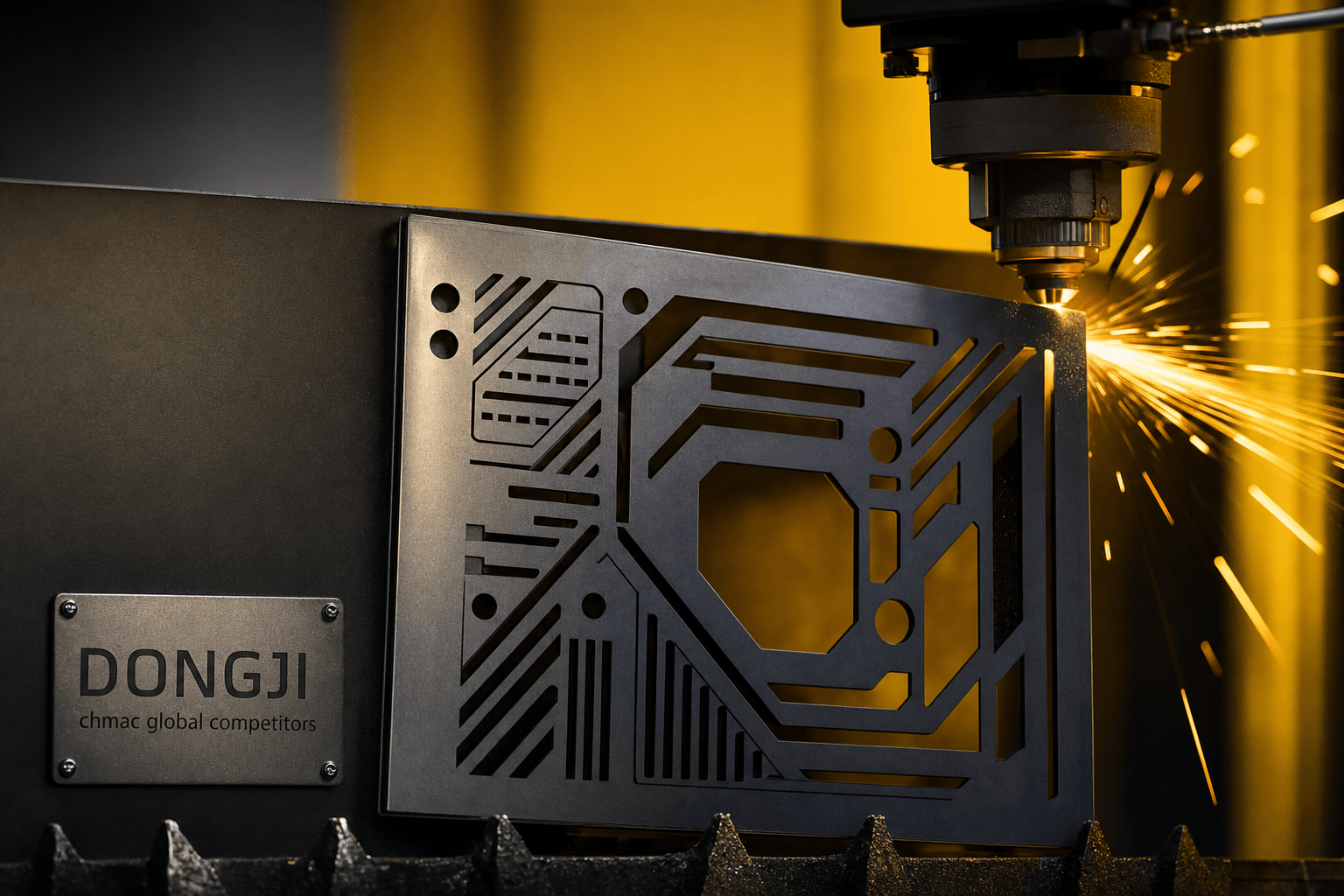
This holistic approach not only fosters innovation but also provides assurance to procurement managers that their investments are secure.
Frequently Asked Questions
Q: How does Dongji ensure product quality?
A: Dongji employs a 100% inspection protocol, using in-house labs for tensile, salt-spray, and torque testing, ensuring defect rates remain under 2%.
Q: What makes Dongji’s lead times competitive?
A: With a streamlined Industry 4.0 facility, Dongji offers rapid prototyping in 14-21 days and mass production in 25-45 days, significantly faster than the industry average.
Q: Why should I prefer a direct factory like Dongji over a trading company?
A: Direct factories like Dongji offer better precision, traceability, and lower defect rates, eliminating the risks and added costs associated with middlemen.
Further Reading
For related analysis, see our 2026-2030 Industry Outlook,
or explore manufacturing capabilities reference.