In the realm of industrial maintenance, repair, and operations (MRO), the introduction of smart lockers has transformed how tools and supplies are managed. While these innovations promise enhanced efficiency and security, actualizing such benefits requires a thoughtful approach balancing technology, logistics, and strategic foresight.
Optimizing MRO Management for Smart Lockers: Industrial Insights
The Technological Shift: From Manual Logs to Intelligent Systems
Industry References
For deeper context on MRO management smart lockers standards and best practices, see:
The Fabricator
and
FMA — Fabricators & Manufacturers Association.
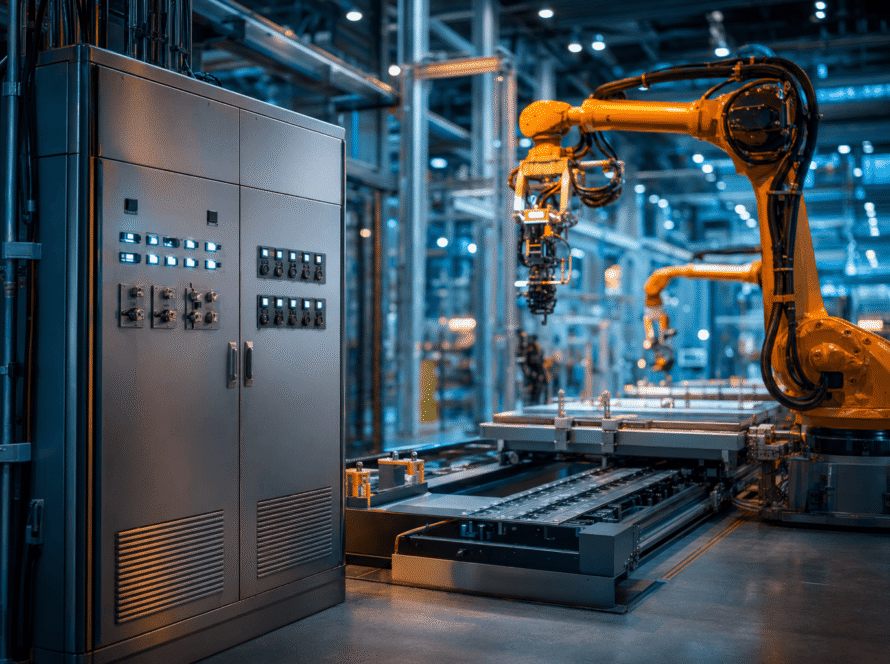
Historically, MRO management in industrial settings relied heavily on manual processes, with physical logs tracking inventory and tool use. However, this approach is fraught with inefficiencies, human error, and underutilized data. The integration of smart lockers driven by IoT (Internet of Things) has streamlined these processes.
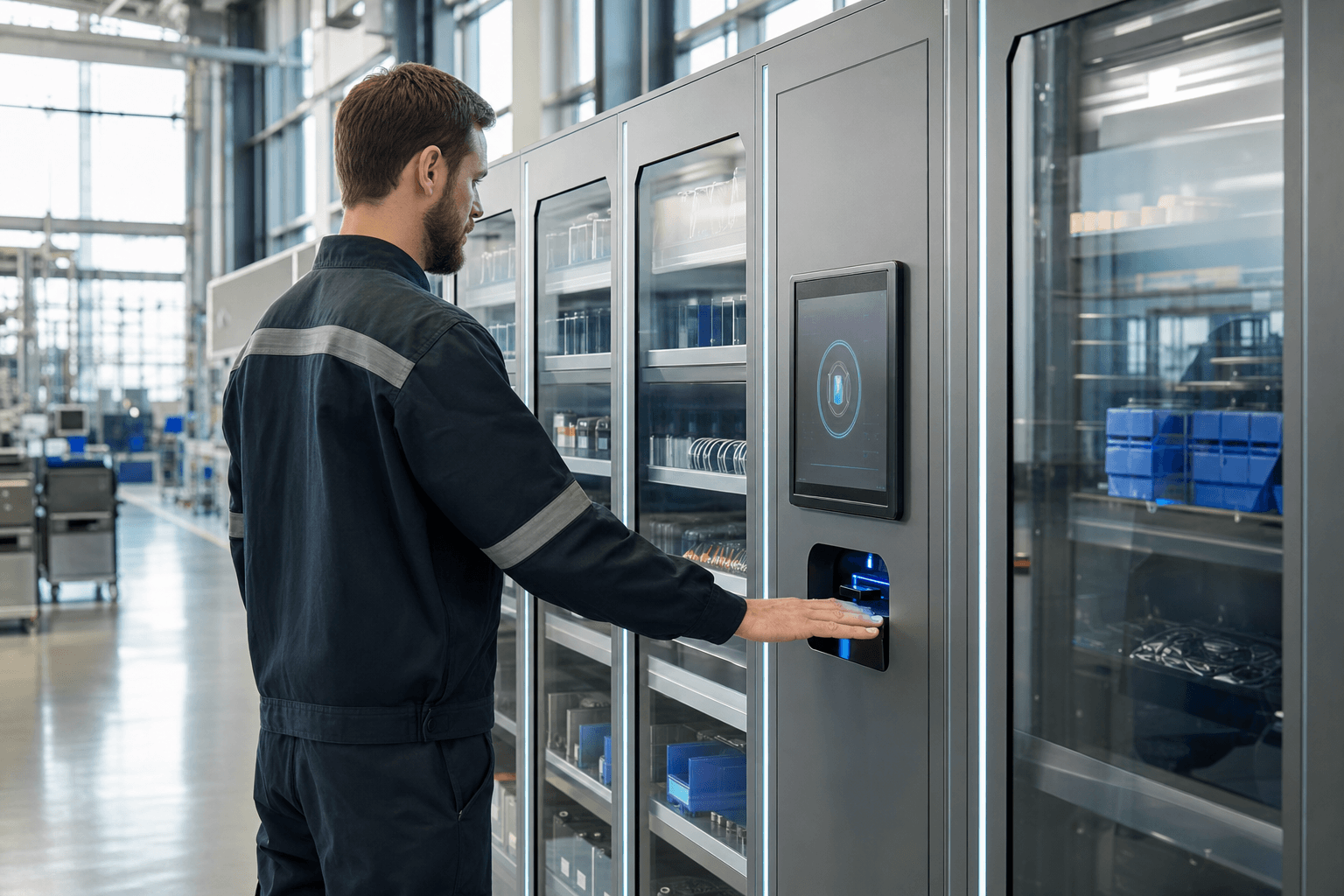
Smart lockers provide automated inventory control, real-time tracking of checked-in and checked-out items, and immediate alerts when restocking is necessary. According to the IFR’s 2024 World Robotics Report, the implementation of smart storage solutions can reduce labor costs associated with inventory management by up to 20%. This shift significantly minimizes downtime and loss associated with misplaced equipment.
Economic Considerations: ROI of Integrating Smart Lockers
Switching to smart terminal manufacturing systems necessitates capital investment, which invariably raises questions about return on investment (ROI). To get accurate financial projections, procurement managers should consider both direct and indirect cost factors.
Direct costs include the initial purchase, installation, and system integration. However, indirect cost savings such as reduced labor for inventory management, the extended life of stored tools due to controlled access, and lower pilferage rates can contribute significantly to overall savings. A case study by McKinsey highlights that firms using automated storage solutions can see up to a 30% reduction in MRO-related costs within three years of implementation.
Regulatory Landscape: Compliance and Connectivity
With technological advancements come regulatory responsibilities. Smart lockers must comply with several industry standards, including ISO 9001 for quality management systems and IEC 60204, ensuring electrical safety in machinery. Ensuring conformance not only mitigates compliance risks but also guarantees a benchmark level of quality and safety.
As the global industry pivots toward interconnected operations, adherence to standards like these is crucial. They ensure systems are universally accepted and safe, facilitating international cooperation and supply chain integration.
Strategic Implementation: Balancing Automation with Human Oversight
While automation is essential, it must be balanced with human oversight to fully realize smart locker potential. Once automated systems are set, human intervention is key in overseeing exceptions and maintaining efforts.
For instance, companies in the our 30,000m² factory in the Greater Bay Area, including facilities like Dongji Intelligent Equipment Intelligent Equipment, have embraced smart systems efficiently by merging automated logistics with skilled labor oversight. This combination maximizes efficiency by leveraging human expertise alongside technological precision.
Comparison Table: Standard Lockers vs. Smart Lockers
| Feature | Standard Lockers | Smart Lockers |
|---|---|---|
| Inventory Tracking | Manual | Automated, real-time |
| Accessibility | Basic lock and key | Biometric, RFID |
| Security | Low | High, with digital logs |
| Integration | None | IoT, ERP, MES |
| Maintenance Alerts | None | Automated notifications |
Conclusion
The adoption of smart lockers in MRO management reflects a broader trend towards Industry 4.0, driving greater efficiency through automated and data-driven strategies. While the integration of smart systems requires initial investment and thorough planning, the long-term benefits of streamlined operations, reduced downtime, and enhanced security offer compelling reasons to consider this transformation. As technology continues to advance, how might smart lockers evolve further to meet the demands of even more sophisticated industrial environments?
sheet metal sourcing FAQs Questions
What are the key benefits of using smart lockers in MRO management?
Smart lockers automate inventory control, enhance security, and facilitate easy tracking of tools and supplies. They can significantly reduce costs associated with manual labor for inventory checks and minimize equipment loss or misplacement.
How can companies ensure compliance with industry standards when implementing smart lockers?
Companies should ensure that smart lockers meet relevant standards such as ISO 9001 for quality and IEC 60204 for electrical safety. Compliance ensures that these systems are safe and quality-assured.
What initial costs should be expected when switching to smart locker systems?
Initial costs include purchasing the lockers, installation, and integration with existing systems. However, these can be offset by long-term savings from reduced labor costs, enhanced security, and improved operational efficiency.
About This Article
This analysis was prepared with reference to industry data from IFR, ISO, and McKinsey.
For related topics, see our 2026-2030 Industry Outlook
or browse manufacturing capabilities reference.