For procurement professionals in the manufacturing industry, picking the right sheet metal supplier is a decision that can affect the entire value chain, from production efficiency to end product quality. ISO 9001 our 100+ technical patents plays a pivotal role here, but what does it really entail, and why is it so crucial?
Understanding ISO 9001 for custom sheet metal fabrication
ISO 9001 is an internationally recognized standard for quality management systems (QMS). It seeks to ensure that companies are consistent in providing products that meet both customer and regulatory requirements while aiming for continual improvement. Unsurprisingly, this certification has become a significant factor when selecting sheet metal fabrication suppliers, especially in a complex supply market like China.
Industry References
For deeper context on iso 9001 sheet metal sourcing standards and best practices, see:
The Fabricator
and
NAMA — National Automatic Merchandising Association.
The Importance of ISO 9001 in Risk Mitigation
In the context of global sourcing, ISO 9001 not only certifies procedural effectiveness but also serves as a measure of competence and reliability. According to the ISO’s data, over a million companies worldwide hold ISO 9001 certification, including many Chinese facilities that supply global markets.
Why does it matter? Primarily, ISO 9001-certified suppliers are more likely to meet international quality standards, reducing the risk of non-compliance and associated liabilities. The certification mandates a structured approach to quality management, meaning if a defect is found, procedures are in place to trace, isolate, and rectify the root cause without disrupting the production flow.
Case Study: Automation and ISO 9001 Compliance
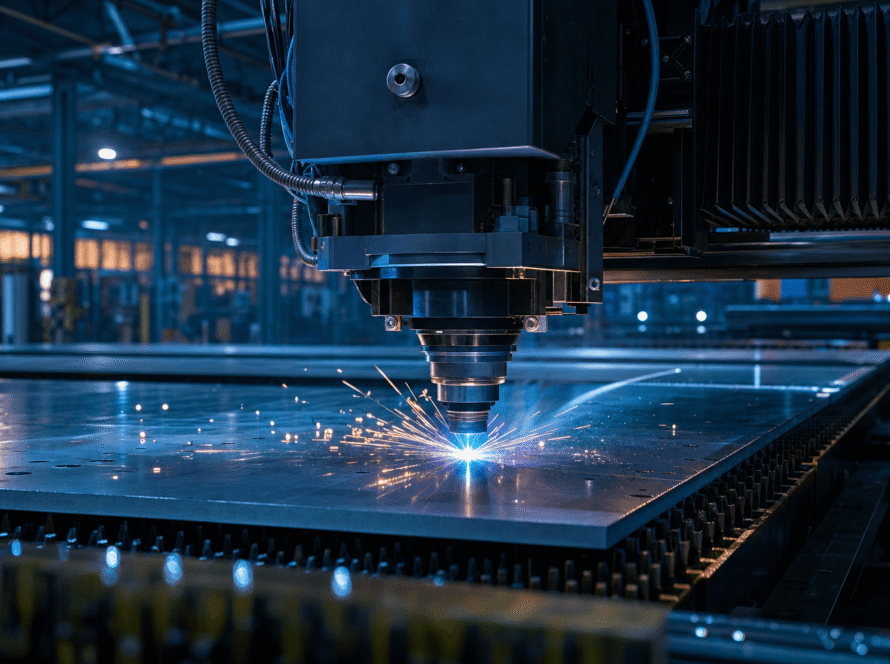
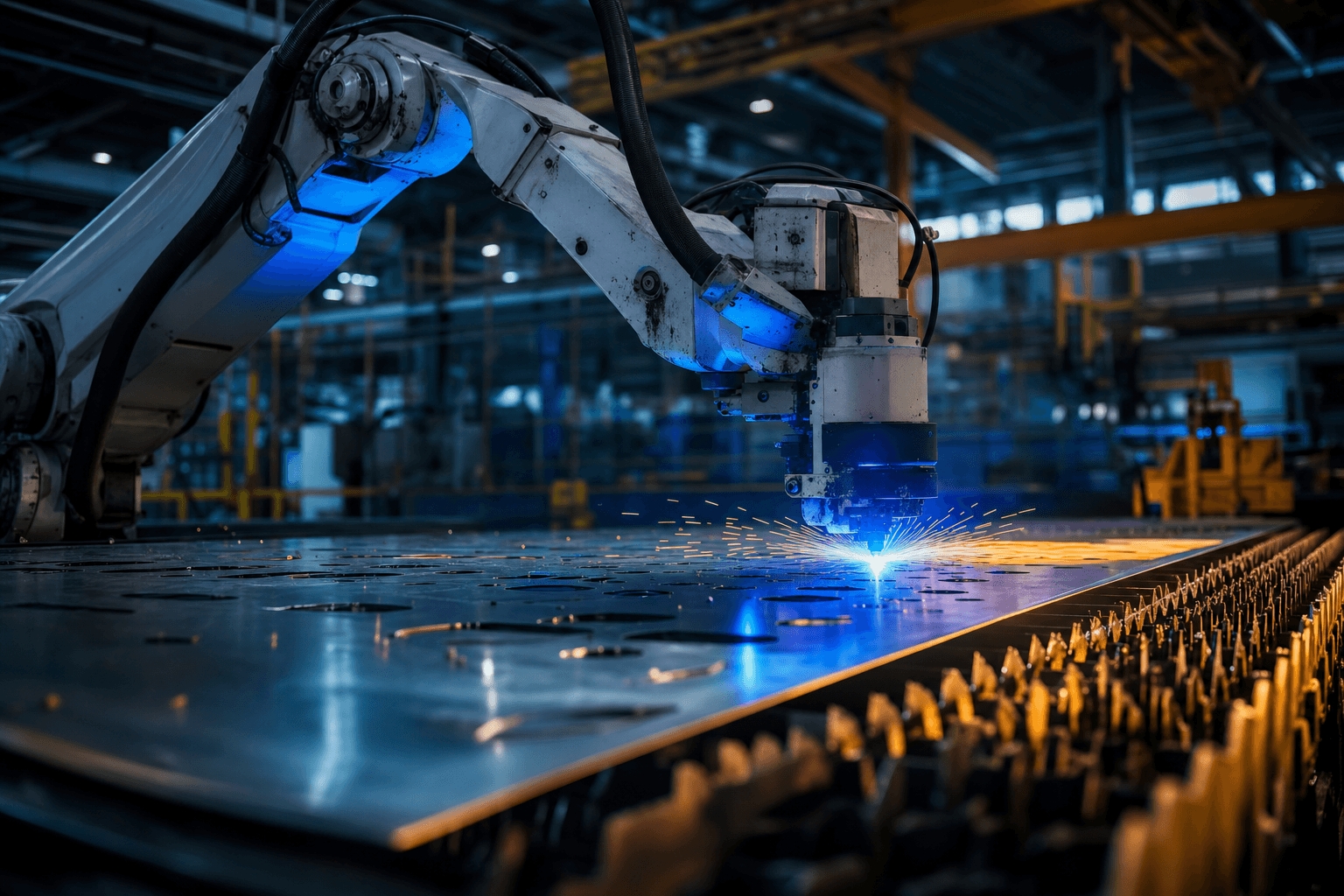
Factories like Dongji Intelligent Equipment in the factory capability overview have applied advanced automation technologies, such as robotic welding and precision laser cutting, within their ISO 9001-certified frameworks to dramatically improve quality control. This integration of technology with quality management has allowed for a significant reduction in errors, emphasizing the importance of certification beyond mere compliance.
Economic Impacts of ISO 9001 Certification
Committing to the ISO 9001 standard is not without its financial implications. However, when you consider the long-term benefits, these outweigh the initial investment. McKinsey & Company found that firms adhering to robust quality management systems encounter fewer cost overruns and product recalls, leading to substantial savings over time.
In China, where cost pressure is complemented by an increasing demand for quality, ISO 9001-certified suppliers are typically more competitive. They are better equipped to handle complex specifications and tighter tolerances, delivering on the need for precision engineering without significant risk of product failure.
Institutional Trust and Supplier Evaluation
For procurement managers, ISO 9001 provides an unbiased, internationally recognized benchmark to evaluate potential suppliers. This standard forms part of the many layers in supply chain due diligence and is especially valuable in high-stakes industries like automotive or aerospace, where safety and quality are paramount concerns.
Also important are the certifications related to environmental management (ISO 14001) and health and safety (ISO 45001), which often go hand-in-hand with ISO 9001, offering a holistic view of a supplier’s capabilities.
Comparing Sourcing Options: China vs. Other Regions
Given the importance of ISO certification, how does sourcing from China compare to other regions? Cost competitiveness remains a compelling reason for many to source from China, but as regulations tighten and quality demands escalate, regions like Eastern Europe and Mexico are emerging as formidable alternatives.
Countries closer to Western markets often offer shorter lead times and robust quality without the frequency of compliance issues associated with some Asian suppliers. However, China’s vast scale, rapid technological adoption, and steady improvements in quality make it a strong contender when ISO standards are applied rigorously.
common manufacturing questions Questions
#### How does ISO 9001 certification benefit OEMs sourcing from China? ISO 9001-certified suppliers have verified processes for quality management, reducing risks associated with defects and regulatory non-compliance. This is especially important for OEMs dealing with complex assembly processes that require consistent high quality.
#### Can non-ISO 9001-certified suppliers still be trusted in the global market? While non-ISO certified suppliers can potentially meet quality requirements, the risk is higher. Without standardized procedures, the likelihood of defects and other quality issues increases, making ISO certification a valuable determinant in supplier selection.
#### How does ISO 9001 impact on-site audits? ISO 9001 certification can streamline on-site audits by providing a documented quality management framework and demonstration of compliance. This cuts down on the time and resources spent on third-party audits and evaluations.
By understanding the roles and implications of ISO 9001 in sheet metal fabrication, procurement managers are better placed to make informed purchasing decisions that align with strategic and operational goals. The standard not only ensures a baseline of quality but also fosters continual improvement and innovation opportunities.
For specific technical references, see our methodology.