In the dynamic arena of custom sheet metal fabrication, procurement managers are increasingly tasked with sourcing materials and services that meet tight budgets without sacrificing quality. A common decision they face is choosing between fiber laser and CO2 laser cutting technologies. Each offers distinct advantages and considerations impacting cost-effectiveness, with implications for precision, speed, and material range.
Fiber Laser Cutting vs CO2 Laser: Which is More Cost-Effective for Sheet Metal Procurement?
Performance and Precision: Technical Considerations
Industry References
For deeper context on fiber laser cutting vs CO2 laser standards and best practices, see:
The Fabricator
and
NAMA — National Automatic Merchandising Association.
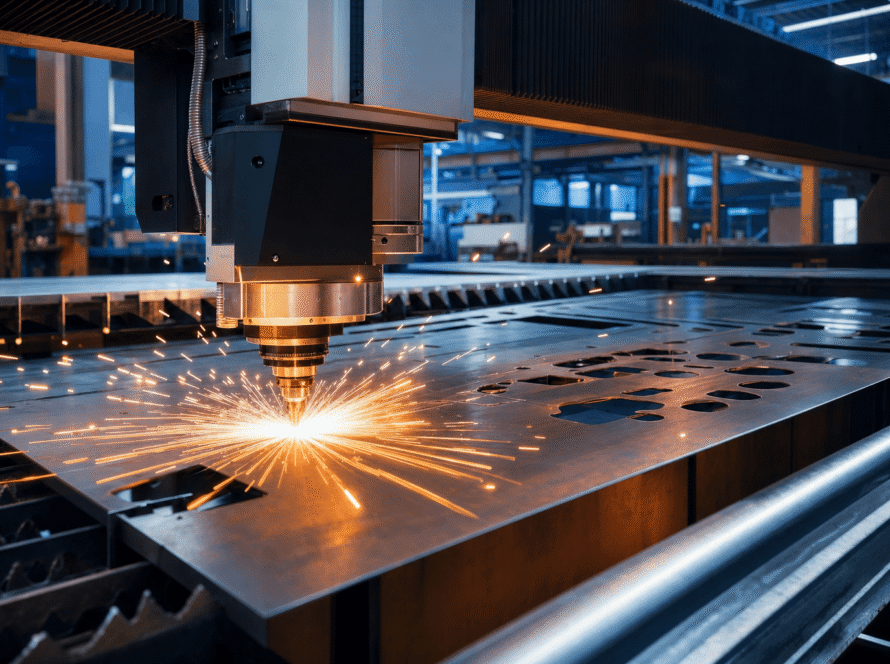
Fiber laser cutting has staked its claim in the industry as a leader in speed and precision, particularly for thin materials. The technology operates using a solid-state laser, which is notable for its high energy efficiency and the ability to cut reflective materials like aluminum and copper, a domain where CO2 lasers have traditionally struggled. According to the 2023 report from the International Federation of Robotics (IFR), fiber lasers can achieve cutting speeds up to three times faster than CO2 lasers when dealing with sheets under 8mm thickness.
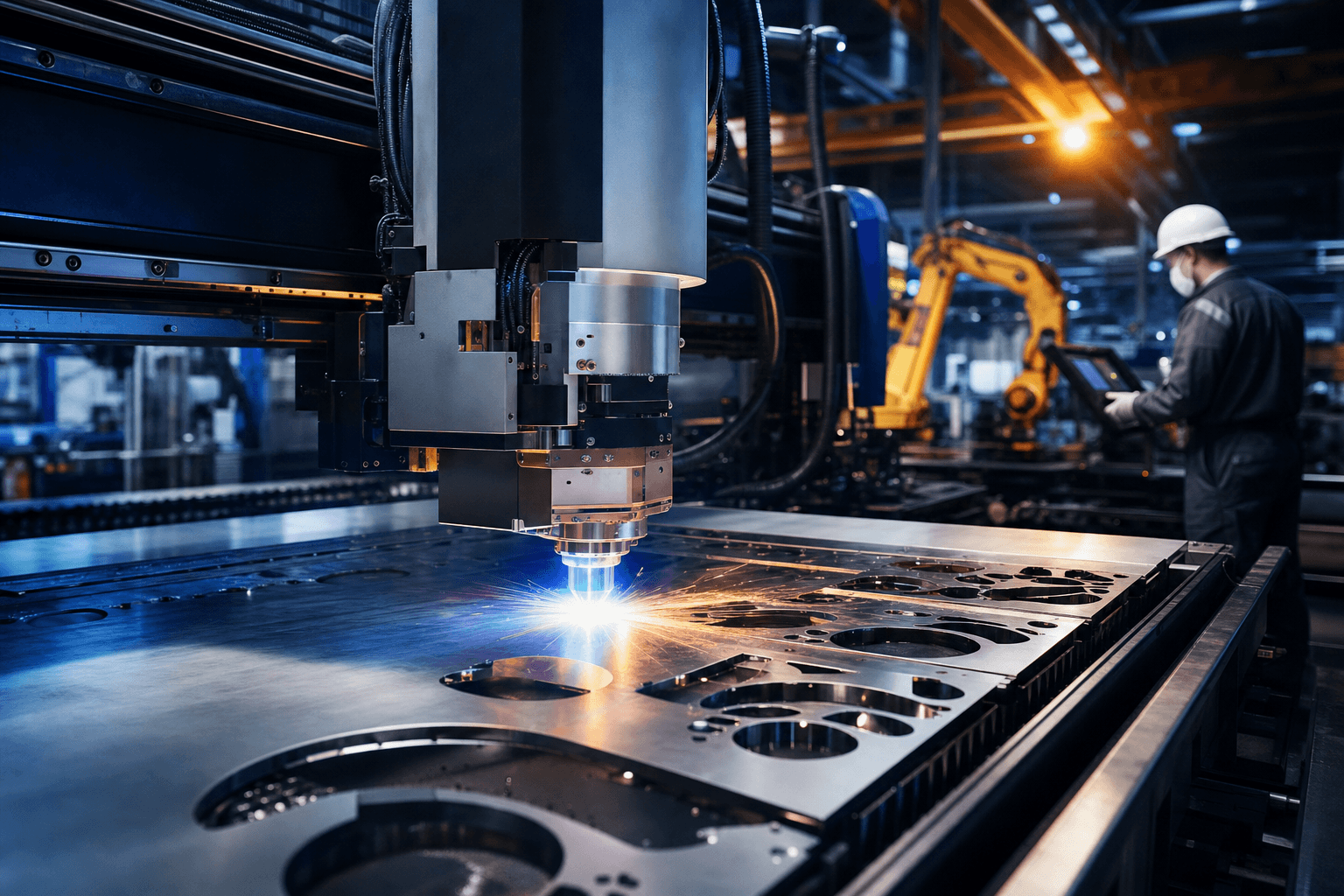
CO2 lasers, on the other hand, may offer advantages in thicker materials and produce a smoother finish on non-metals, like certain plastics or wood, making them versatile in multi-material production environments. However, they tend to require more maintenance and consume more energy during operation, which can add to long-term costs.
Economic Impact: Cost Analysis
When evaluating costs, procurement professionals must consider various factors, including initial capital investment, operational efficiency, and maintenance requirements. Fiber lasers typically involve a higher initial purchase price but can lead to lower long-term costs due to reduced power consumption and maintenance. The solid-state design of fiber lasers generally results in fewer consumables and less frequent downtime.
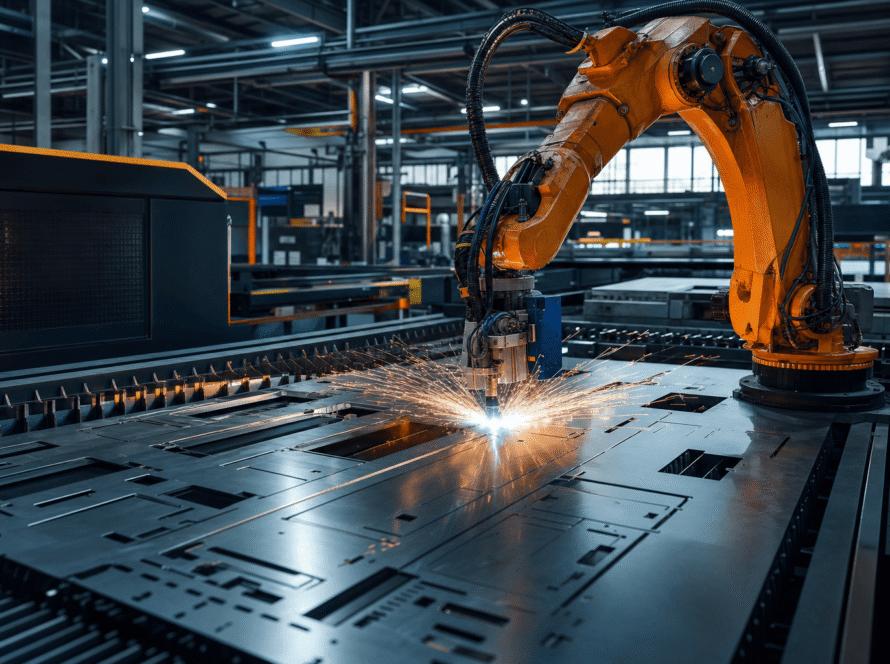
A study by S&P Global in 2022 highlighted that transitioning from CO2 to fiber laser technology can reduce energy costs by nearly 40%, and labor needs by up to 30% due to automation capabilities—an important consideration for factories aiming to maintain competitiveness under tight labor markets.
Strategic Sourcing: Availability and Scalability
The decision between these technologies often hinges on specific production needs and the availability of components. As global supply chains have faced disruptions, the reliability of sourcing components for laser machinery has become a tactical factor. European suppliers traditionally dominated the market for precision laser components, but increasingly, high-quality alternatives are emerging in Asia.
Factories like Dongji Intelligent Equipment in the our 30,000m² factory in the Greater Bay Area are illustrative of how mid-tier Chinese OEMs are closing the automation gap with their European counterparts, exemplifying strategic investment in both fiber and CO2 laser capacities as part of a diversified manufacturing toolkit.
Regulation and Standards: Navigating Compliance
Compliance with international standards such as ISO 9001 (Quality Management Systems) and IEC 60204 (Safety of Machinery) is increasingly crucial as companies vie for contracts worldwide. Both fiber and CO2 systems can comply with these standards, but procurement teams should ensure that manufacturers provide necessary certificates and testing documentation.
Environmental regulations can also influence machinery choice. Fiber lasers, with their reduced energy usage, may help factories meet stringent environmental regulations and carbon reduction goals, which are becoming more common mandates in Europe and North America.
OEM buyer FAQ Questions
What materials are best suited for fiber and CO2 laser cutting?
Fiber lasers excel at cutting metals, particularly reflective materials like aluminum and copper. CO2 lasers can cut non-metals like certain plastics and wood, making them more versatile in mixed-material applications.
How do energy costs between fiber and CO2 laser systems compare?
Fiber lasers generally have lower energy consumption compared to CO2 lasers. According to a 2022 S&P Global study, fiber lasers can reduce energy costs by nearly 40%.
Are there significant maintenance differences between fiber and CO2 laser systems?
Yes, fiber laser systems generally require less maintenance due to their solid-state design. CO2 lasers have more consumables and require more upkeep, which can increase operational costs over time.
In conclusion, the choice between fiber and CO2 laser cutting technology should be guided by the specific material requirements, volume of production, and strategic goals of a manufacturing enterprise. As manufacturing technologies continue to evolve, staying informed about advancements and maintaining flexibility in procurement strategies will be key to securing cost-effective and reliable sheet metal fabrication solutions.
About This Article
This analysis was prepared with reference to industry data from IFR, ISO, and McKinsey.
For related topics, see our 2026-2030 Industry Outlook
or browse manufacturing capabilities reference.