Global demand for precision sheet metal has been on the rise, driven by industries ranging from electronics to aerospace. As procurement managers scramble to find reliable sources, challenges like quality assurance, cost control, and supply chain resilience come to the fore. Making informed decisions requires a deep dive into industry standards and current market conditions, as well as an understanding of technological advancements in fabrication.
Introduction
Understanding Industry Standards
Industry References
For deeper context on sourcing precision sheet metal standards and best practices, see:
PMA — Precision Metalforming Association
and
EVA — European Vending Association.
When sourcing precision sheet metal, adherence to standards like ISO 9001, which lays the foundation for a quality management system, is essential. ISO 9001 our 100+ technical patents ensures that a manufacturer’s processes are held to internationally recognized standards, minimizing defects and promoting continuous improvement. Moreover, understanding the specifications of materials, like ASTM standards for different grades of steel, is crucial.
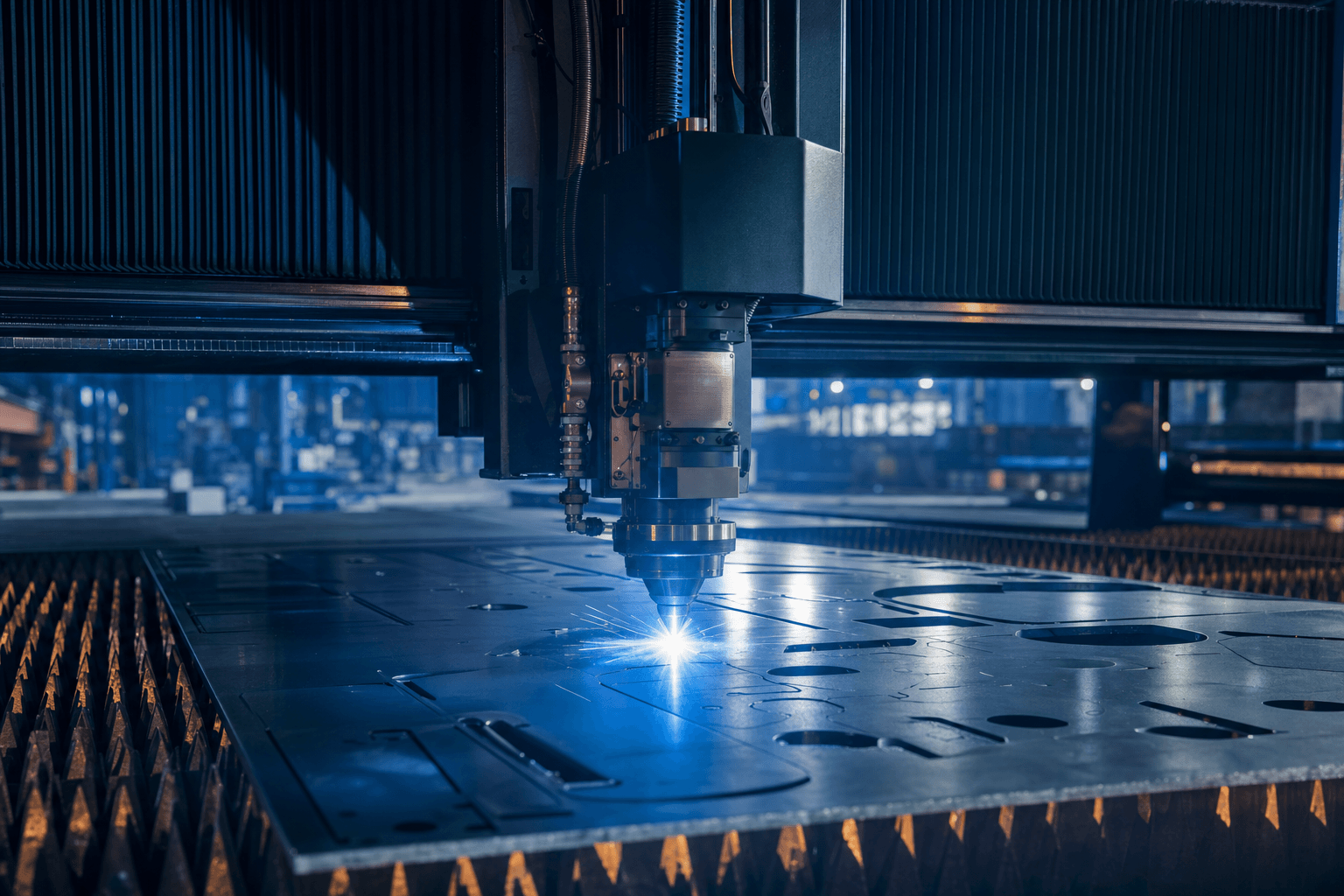
The fabrication tolerance for laser-cut steel is a critical consideration. Typically, for mild steel under 6mm thick, tolerance levels are maintained within 0.1-0.2mm. For thicker sheets, allowance increases to ±0.3mm due to thermal distortion during the cutting process. Ensuring these tolerances are met is important for components where precision assembly is required.
Economic Considerations in Global Sourcing
According to a 2023 report by McKinsey, global supply chains are increasingly diversifying to mitigate the risks seen during the COVID-19 pandemic. Procurement managers are weighing cost pressures against the need for supply chain resilience. For instance, sourcing from China may offer cost advantages due to economies of scale and advanced manufacturing infrastructure. However, localizing supply chains or considering alternative sources like Mexico or Eastern Europe could provide strategic benefits, including reduced lead times and diversified risk.
A comparison of sourcing from China versus Mexico reveals nuanced differences. While China offers scale and established technological advancement, Mexico offers geographic proximity to the U.S., leading to potentially reduced logistics costs and a better alignment with American business cycles.
| Factor | China | Mexico |
|---|---|---|
| Lead Times | Longer due to ocean shipping | Shorter, benefiting from road/rail access |
| Cost | Lower manufacturing costs | Competitive labor rates, higher shipping costs |
| Infrastructure | Advanced in technological capabilities | Growing but less mature than China |
Technological Advancements: Moving Towards Industry 4.0
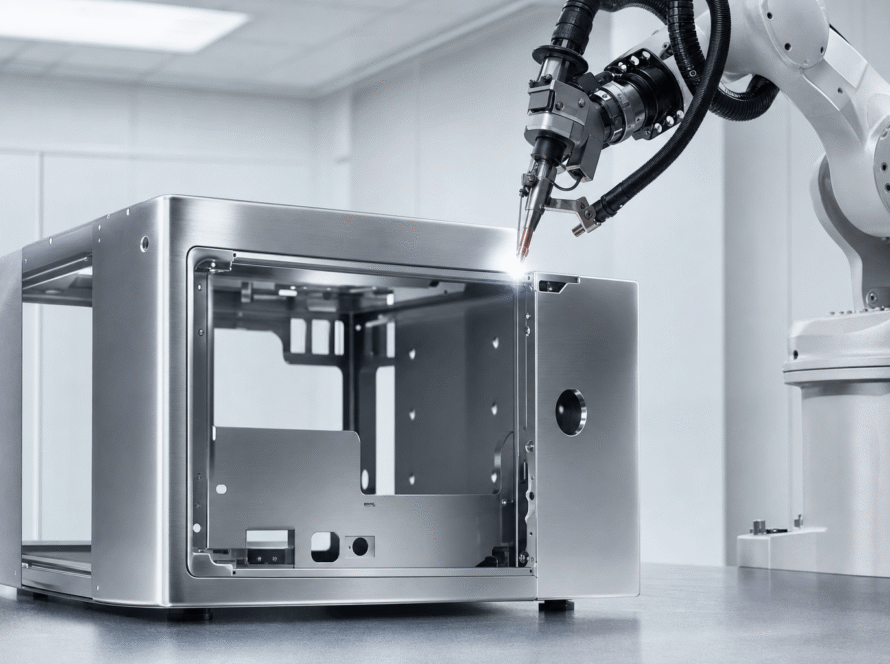
Automation is transforming precision custom sheet metal fabrication. Factories like Dongji Intelligent Equipment in the Dongji factory tour, leveraging robotics for welding, illustrate an industry trend where automation accounts for significant reductions in labor costs and improves precision consistency. According to the International Federation of Robotics (IFR)’s 2024 World Robotics Report, robot density in manufacturing has doubled in the last five years, a testament to industry-wide shifts towards automated processes.
Regulatory Influences
Navigating the regulatory landscape is paramount when sourcing precision sheet metal. Global geopolitics and trade policies continually impact importation tariffs and regulations. For instance, tightening environmental regulations, like the European Union’s REACH regulation, influence material sourcing and compliance requirements significantly.
Firms must align with environmental standards, such as ROHS (Restriction of Hazardous Substances), especially when manufacturing components for industries with stringent compliance demands like electronics. Understanding these standards is non-negotiable if firms are to avoid costly penalties and align with corporate responsibility goals.
Conclusion
Sourcing precision sheet metal in today’s market requires not only attention to technical detail and regional economics but also adaptability to technological advancements and regulatory changes. As buyers navigate this complex landscape, they must balance immediate cost benefits with long-term strategic advantages.
The future of precision sheet metal sourcing will likely hinge on integration with smart manufacturing technologies and collaboration with global partners capable of meeting evolving standards. Are you prepared to embrace this transformative era?
OEM buyer FAQ Questions
What is the typical lead time for sourcing precision sheet metal components from overseas?
Lead times can vary significantly depending on the country of origin and logistics options. For example, sourcing from China might entail longer lead times due to ocean shipping, often taking 4-6 weeks, whereas nearby regions like Mexico may offer reduced timelines, potentially under 2 weeks due to shorter transport routes.
What certifications should I look for in a precision sheet metal supplier?
ISO 9001 is a crucial certification to ensure quality management across all production processes. Additionally, check for compliance with industry-specific certifications relevant to your end application, like ISO 13485 for medical devices or IATF 16949 for automotive components.
How does automation impact the cost and quality of sheet metal fabrication?
Automation improves both cost efficiency and quality consistency in sheet metal fabrication. Automated processes reduce labor costs and minimize human error, resulting in tighter tolerances and higher precision outputs. As automation technologies mature, they also drive down long-term operational costs, making them a strategic investment for manufacturers.
About This Article
This analysis was prepared with reference to industry data from IFR, ISO, and McKinsey.
For related topics, see our 2026-2030 Industry Outlook
or browse manufacturing capabilities reference.