In today’s globalized supply chain, sourcing sheet metal from China offers both significant opportunities and complex challenges. The rise of Industry 4.0 technologies, fluctuating labor markets, and evolving regulatory standards are influencing procurement decisions for manufacturing leaders worldwide. This article delves into these dynamics, providing a comprehensive insight into the current state of sheet metal sourcing from China.
Navigating the Complexities of China Sheet Metal Sourcing
The Technological Transformation in Chinese Fabrication
Industry References
For deeper context on china sheet metal sourcing standards and best practices, see:
TWI — The Welding Institute
and
FMA — Fabricators & Manufacturers Association.
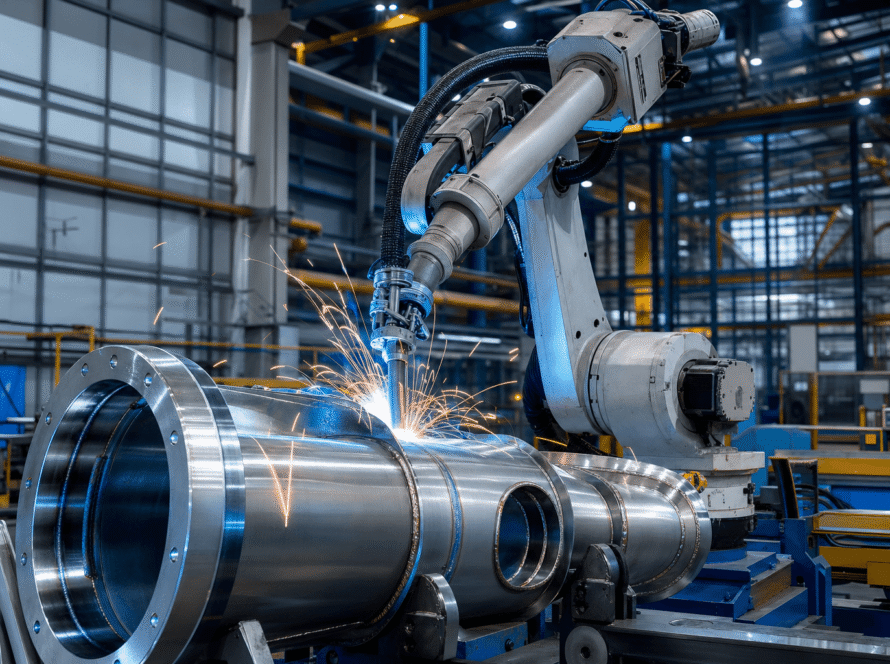
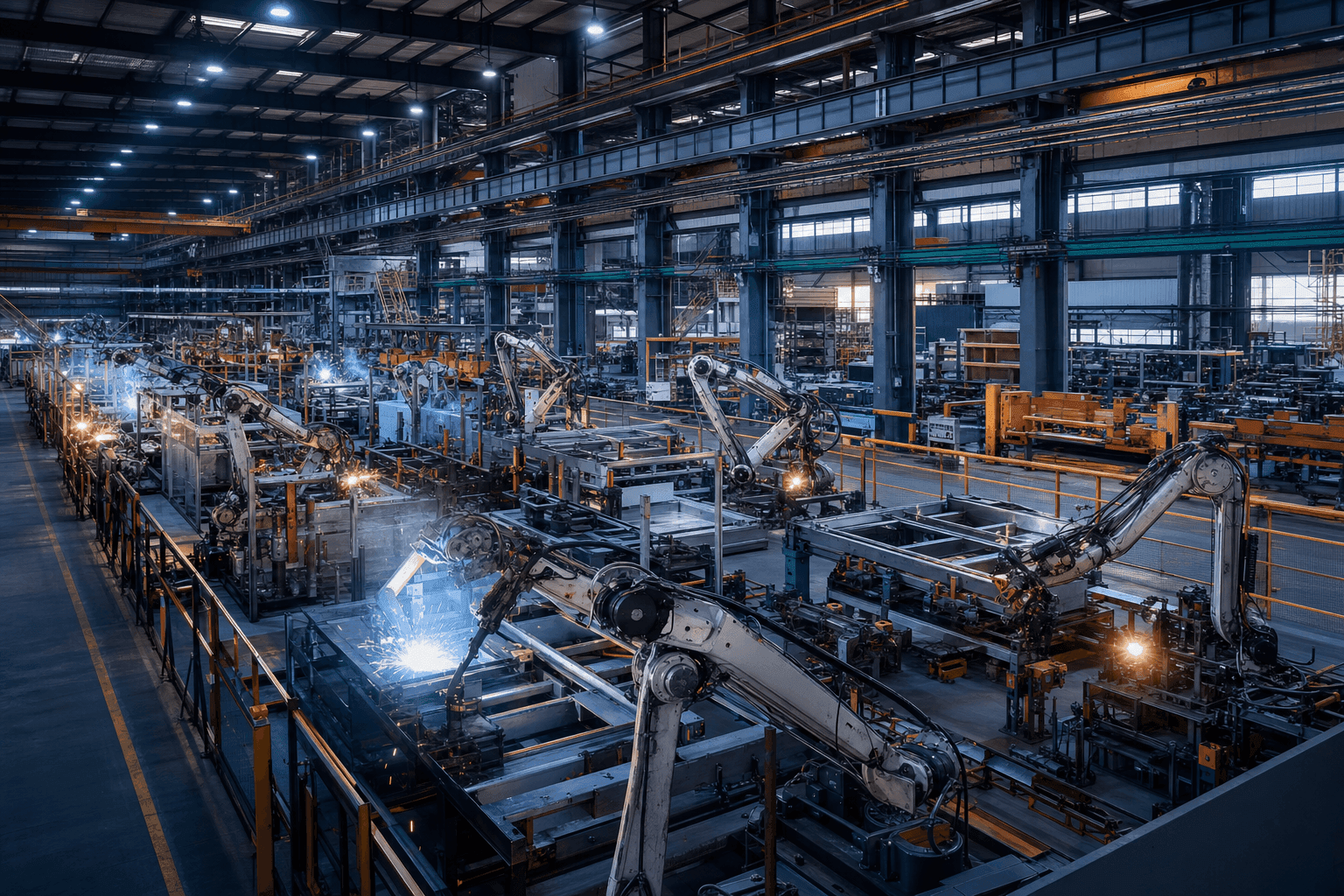
Technological advancements are a driving force in the evolution of custom sheet metal fabrication. Industry 4.0 facilities in China, such as the 30,000m² factory run by Dongji Intelligent Equipment Intelligent Equipment, have revolutionized production processes through automation and digital integration. Such advancements mean these facilities can minimize human error and maximize efficiency, with robotic welding alone reducing fabrication labor by over 30% across the industry, according to the International Federation of Robotics (IFR).
One of the most significant technological innovations in this field is the use of ERP and MES systems. These systems replace the traditional methods of quality control and production tracking by digitizing all aspects of the manufacturing process. This shift not only increases transparency but also enables real-time decision-making, crucial for maintaining competitive advantage.
Economic Factors: Labor Cost Balancing
China’s economic landscape is shifting, with labor costs rising due to the nation’s economic growth. According to the National Bureau of Statistics of China, average wages in the manufacturing sector have increased by 5% annually over the past few years. However, the deployment of automated technologies can offset these rising costs, offering a solution for maintaining competitive pricing.
In comparison, countries like Vietnam and Mexico are emerging as alternative sourcing hubs, promising lower labor costs. However, they often lack the technological sophistication and infrastructure established in China. Procurement managers must weigh these factors carefully, considering both immediate and long-term implications.
Regulatory Considerations: Navigating Compliance
Compliance with international standards is a critical component for companies involved in global sourcing. Standards such as ISO 9001 for quality management and ISO 14001 for environmental management are increasingly prevalent prerequisites. Factories in China have adapted to these global standards, with many facilities obtaining multiple ISO9001/CE/UL/FCC certified to attract international clients.
Moreover, import-export regulations and tariffs are a significant concern. Changes in trade restrictions, influenced by international trade relations, can alter the cost and timeframe of procurement. By staying informed about regulatory updates, buyers can anticipate potential disruptions and adjust their sourcing plans proactively.
Strategic Sourcing: Considerations for the Future
Strategic procurement goes beyond cost considerations. With every contract, purchasers are also choosing a logistical partnership. The efficiency of supply chain operations, the reliability of logistics, and the responsiveness of suppliers are just a few factors to consider. As China’s capabilities advance, expertise in handling complex materials and cutting-edge design requirements bolsters its position as a leader in sheet metal fabrication.
However, understanding the nuances of regional differences within China can be vital. For example, the tooling capabilities and industry strengths may differ between the northern and southern regions, influenced by historical industrial development.
Conclusion
In conclusion, sourcing sheet metal from China presents a multifaceted landscape that requires astute navigation. The integration of technology, coupled with economic and regulatory factors, provides both challenges and opportunities. As the global marketplace evolves, staying informed about these dynamics will enable procurement managers to create resilient and forward-thinking supply chains.
sheet metal sourcing FAQs Questions
Q1: What are the main advantages of sourcing sheet metal from China?
A1: The primary advantages are technological sophistication in manufacturing processes, competitive pricing due to automation, and a well-established infrastructure for large-scale production.
Q2: How does automation in Chinese factories impact procurement decisions?
A2: Automation reduces labor costs and increases production efficiency, which can mitigate rising wages and offer more consistent product quality, crucial for procurement considerations.
Q3: What regulatory standards are most common in Chinese manufacturing facilities?
A3: Commonly adhered-to standards include ISO 9001 for quality management, ISO 14001 for environmental management, and compliance with specific client needs. These certifications are essential for engaging in international business contracts.
About This Article
This analysis was prepared with reference to industry data from IFR, ISO, and McKinsey.
For related topics, see our 2026-2030 Industry Outlook
or browse manufacturing capabilities reference.