AI in Industrial Procurement: Trends
AI Vision Inspection: Reality Check for Procurement Managers
In an era where the global sheet metal fabrication market is projected to leap from $181.8 billion in 2024 to $272.2 billion by 2030, the adoption of AI technologies in quality control is on the rise. However, understanding where AI genuinely excels and where it falls short is crucial for procurement managers striving for efficiency in manufacturing operations.
Learn more about our sheet metal fabrication services and how we support B2B OEM/ODM projects.
Where AI Vision Inspection Excels
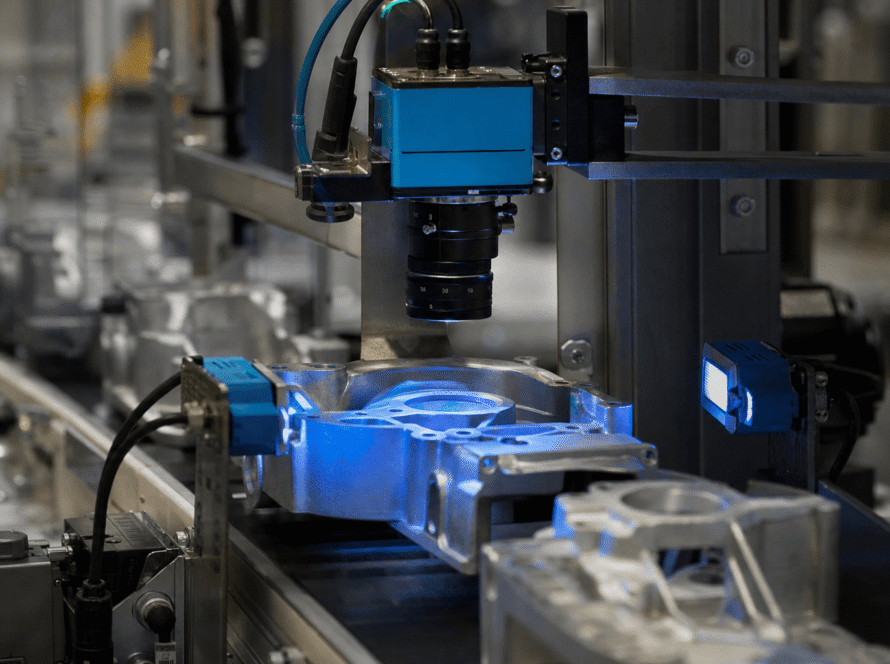
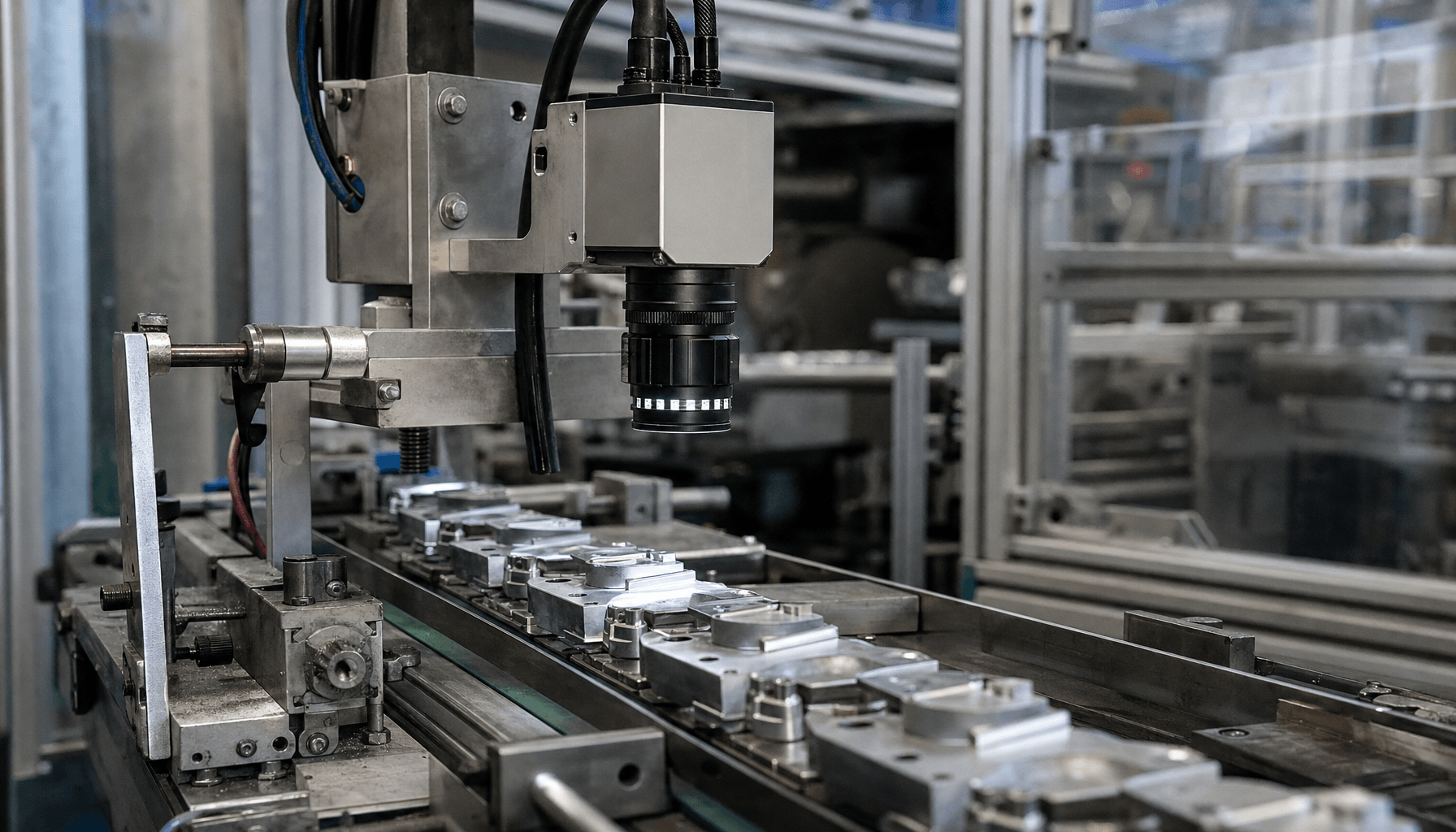
The integration of AI in robotic systems now exceeds 60% in the heavy machinery sector (Dongji 2026-2030 Outlook, 2024), demonstrating AI’s dominant role in enhancing precision and speed in quality control processes. AI vision inspection systems are particularly effective at identifying minute defects that human inspectors might overlook, such as micro-cracks, small dents, or variations in color consistency. This capability is invaluable in settings requiring high throughput and precision, such as on factory floors dealing with large volumes of metal parts.
Limitations of AI in Judging Surface Finish
Despite these advancements, AI vision systems still face challenges in areas like surface finish judgment, where subjective assessment and experience are often key. Human inspectors can detect subtleties in texture and finish that AI systems struggle to quantify, highlighting a notable gap in AI capability. This limitation is significant in industries where the aesthetic quality of the material surface is crucial, such as in decorative metal applications.
The Role of Standards and Criteria
Standards like ISO 9001 specify criteria needed to improve processes, ensuring consistent product quality. For AI systems to reach their full potential, alignment with international standards and continuous training using diverse data sets are necessary. The aim is not to fully replace human inspectors but to augment their capabilities, ensuring a harmonious balance between human intuition and machine accuracy.
Industry Adoption: A Balanced Approach
Companies such as Dongji Intelligent Equipment are examples of how the industry leverages AI to boost productivity while maintaining quality standards. By integrating AI in phases and closely monitoring its performance against established benchmarks, manufacturers can effectively enhance their quality control while retaining crucial human oversight where it matters most.
FAQ
- Q: Can AI fully replace human inspectors in QC?
A: No, AI excels in precision tasks but struggles with subjective assessments like surface finish.
- Q: How does AI improve inspection processes?
A: AI detects minute defects quickly, improving efficiency and reducing error rates in high-volume environments.
- Q: What industries benefit most from AI QC systems?
A: Industries requiring high precision in defect detection, such as automotive and aerospace, benefit greatly from AI in inspection systems.
Industry References
Version 1.0 — Published October 9, 2026 · Editorial review window: 90 days