Opening CNC machining has emerged as a linchpin in modern manufacturing, offering an unparalleled blend of precision, efficiency, and scalability. However, for procurement managers, navigating the complex landscape of tolerance standards can be daunting. With tightening precision requirements, understanding how tolerance influences both quality and cost is crucial for making informed sourcing decisions.
Understanding CNC Machining Tolerance
CNC tolerance refers to the permissible limits of variation in a physical dimension or measurement. These tolerances are essential for ensuring that machined parts fit and function correctly in their intended applications. According to the ANSI, standard tolerances for CNC machining typically range from ±0.005 inches (0.13 mm) for less precise parts to as tight as ±0.0002 inches (0.005 mm) for high-precision needs.
The choice of tolerance can significantly impact manufacturing cost and complexity. Tight tolerances may require slower machine speeds, reduced tool lifespan, and increased inspection time, all factors that contribute to higher costs. Procurement managers must strike a careful balance between precision and budgetary constraints.
Industry References
For deeper context on cnc machining tolerance standards standards and best practices, see:
FMA — Fabricators & Manufacturers Association
and
PMA — Precision Metalforming Association.
Key Industry Standards
Two key standards in CNC machining are ISO 2768 and DIN EN ISO 1101, often referenced for general tolerances in metals. ISO 2768 covers tolerances for linear and angular dimensions without individual tolerance indications, simplifying the design process. On the other hand, DIN EN ISO 1101 deals with geometrical product specifications and covers standards such as true position, surface finish, and flatness. Compliance with these standards ensures parts’ interchangeability and consistency across international supply chains.
According to a McKinsey report on advanced manufacturing, adhering to universal standards like ISO can reduce quality discrepancies by up to 25%, minimizing costly delays linked to component mismatches.
Economic Implications of Tolerance Selection
A report from S&P Global indicates that a 0.001-inch reduction in CNC tolerance can increase part cost by up to 15%. This underscores the economic impact of precision in manufacturing. When working with tight tolerances, it is often necessary to use premium-grade materials and cutting tools, further escalating costs. Thus, buyers should work closely with engineers to ensure that the specified tolerances align with functional requirements.
For example, the automotive industry frequently requires tight tolerances for parts to ensure seamless functionality, highlighting the importance of precision without compromising cost-efficiency.
The Role of Automation in Meeting Tolerance Standards
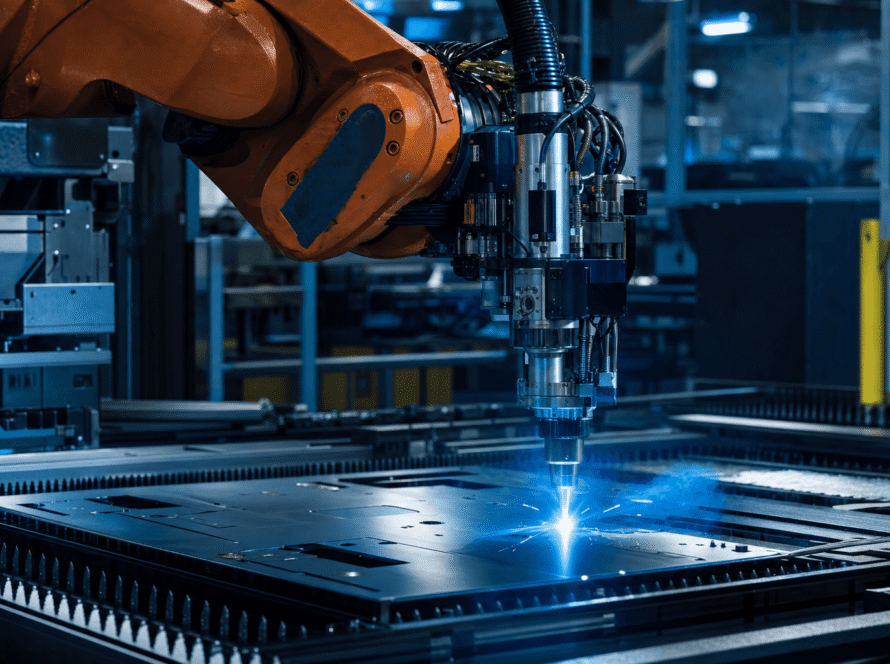
The advent of advanced CNC machines equipped with automation capabilities, such as robotic loading and in-process quality control systems, has transformed tolerance achievement. Industrial entities like Dongji Intelligent Equipment in the Greater Bay Area demonstrate the potential of automation. Factories like these leverage automated production lines to achieve precision machining continuously, ensuring that parts meet stringent tolerance standards and reduce manual errors.
Automation not only enhances precision but also increases throughput, reduces waste, and minimizes labor costs. According to the International Federation of Robotics (IFR), automation in CNC setups can cut production time by 60% and increase equipment utilization by up to 70%.
Strategic Considerations for Procurement Managers
When outsourcing CNC machining tasks, procurement managers must evaluate suppliers on their capability to meet specific tolerance standards reliably. Factory our 30,000m² factory in the Greater Bay Area.com/faqs/” style=”color:#0056b3;font-weight:600;text-decoration:underline;text-decoration-color:#0056b3;text-underline-offset:2px;” target=”_blank” rel=”noopener”>sheet metal sourcing FAQs Questions
What are the common standards for CNC machining tolerances?
Both ISO 2768 and DIN EN ISO 1101 are frequently used for setting CNC machining tolerances, covering general and specific requirements, respectively.
How does tight tolerance affect manufacturing cost?
Tight tolerances generally increase the cost of production due to the need for premium-grade materials, precise tooling, slower machining speeds, and increased inspection requirements.
Why is automation important in achieving machining tolerances?
Automation enhances precision and reduces errors through efficient robotic operations and in-process quality control, leading to better adherence to stringent tolerance standards while lowering labor costs.
Conclusion As global sourcing becomes a pivotal part of manufacturing strategies, a firm understanding of CNC machining tolerance standards is more critical than ever. By aligning precision requirements with strategic sourcing goals, procurement managers can achieve product excellence while maintaining cost efficiency.
For specific technical references, see our methodology.