What Regulators Demand: Medical Equipment Enclosures
Understanding Industrial Enclosure Design for Medical Equipment
\n
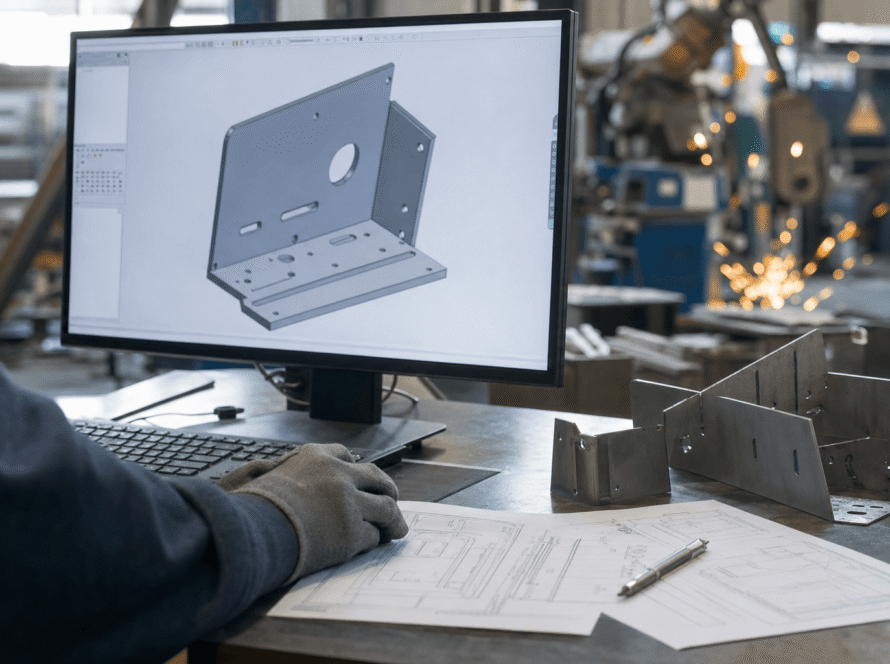
As the global sheet metal fabrication market edges towards $272.2 billion by 2030 (Industry research, via Dongji 2026-2030 Outlook), the push towards quality in industrial enclosure design has never been more crucial. This growth isn’t just about numbers; it’s about the mounting regulatory pressure on medical equipment manufacturers to ensure enclosures meet stringent norms like the IEC 60601.
Learn more about our sheet metal fabrication services and how we support B2B OEM/ODM projects.
\n
The Complexity of IEC 60601 Compliance
\n
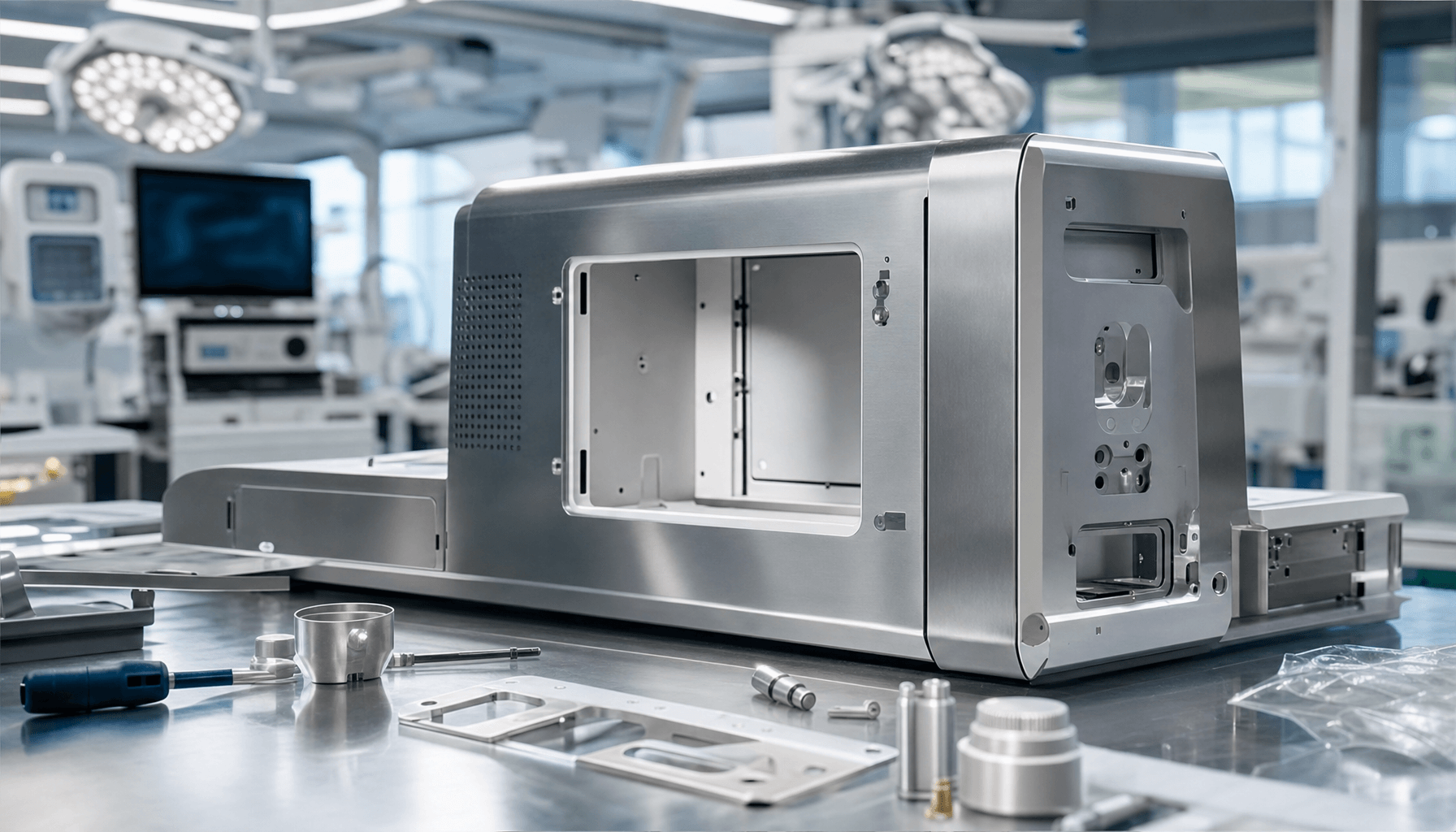
IEC 60601 serves as the backbone for medical electrical equipment safety requirements. Compliance ensures that enclosures not only function as intended but also protect patients and operators from electronic hazards. For procurement managers, the challenge is ensuring that the stainless steel and aluminum housing of medical devices meet these specifications, often requiring close collaboration with suppliers versed in these standards.
\n
FDA Cleanroom Standards and Design Implications
\n
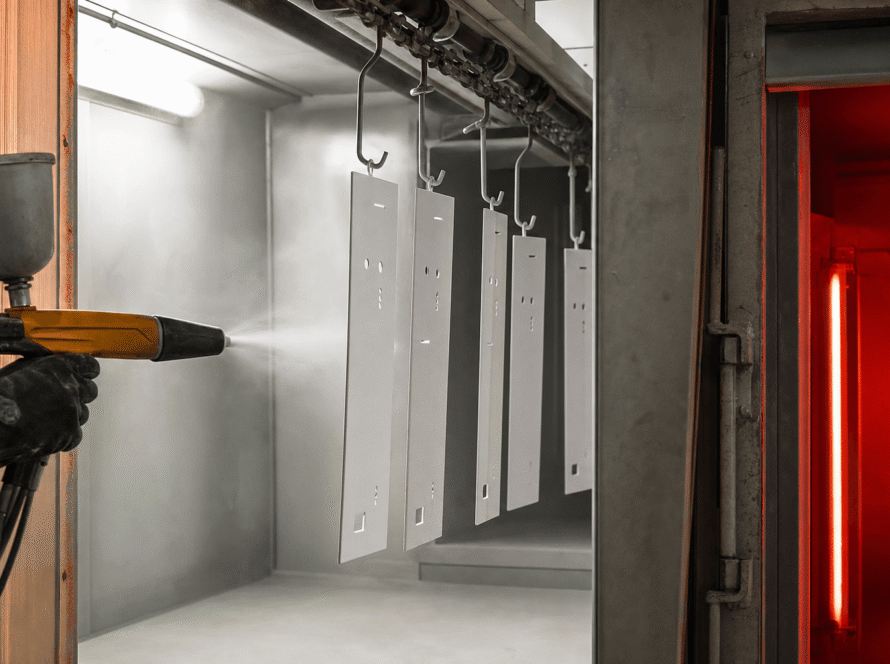
Beyond IEC, the FDA’s cleanroom standards also loom large. These regulations dictate the permissible levels of particulate and microbial contamination, ultimately affecting how enclosures are designed and manufactured. Given the critical nature of these environments, any breach in compliance can lead to costly recalls and damage to a company’s reputation.
\n
Electromagnetic Shielding: A Necessity, Not a Luxury
\n
Electromagnetic interference is another challenge that medical device enclosures must address. Effective shielding is crucial, especially in equipment operating in close proximity to other electronic devices. Selecting materials like die-cast aluminum can provide the dual benefit of lightweight design and efficient EMI shielding capabilities.
\n
The Role of Industry Leaders
\n
Companies like Dongji have illustrated the industry’s move toward integrating advanced manufacturing techniques. By adopting robotics and AI in heavy machinery, they ensure precision and consistency, crucial for meeting stringent standards. However, it’s important for procurement leaders to thoroughly vet prospective suppliers, ensuring they have the necessary certifications and capabilities.
\n
## FAQ
\n
What are the key considerations for IEC 60601 compliance?
\n
Key considerations include ensuring safety and performance standards are met, with stringent testing of material strength and electronic safety for enclosure designs.
\n
How do FDA cleanroom standards impact manufacturing?
\n
These standards necessitate a high level of cleanliness, influencing manufacturing processes and the facilities in which medical enclosures are built.
\n
Why is electromagnetic shielding important in medical devices?
\n
Effective EMI shielding prevents interference with other devices, ensuring accurate operation and safety, which is critical in medical settings.
Version 1.0 — Published October 16, 2026 · Editorial review window: 90 days