Emerging trends in sheet metal fabrication are reshaping traditional procurement strategies. With the rising demand for precision parts and on-time deliveries, procurement managers must navigate the rapidly evolving landscape of Industry 4.0 and advanced manufacturing technologies.
Navigating the Future of custom sheet metal fabrication
Automation: The New Fabrication Standard
Industry References
For deeper context on sheet metal fabrication trends standards and best practices, see:
SME — Society of Manufacturing Engineers
and
FMA — Fabricators & Manufacturers Association.
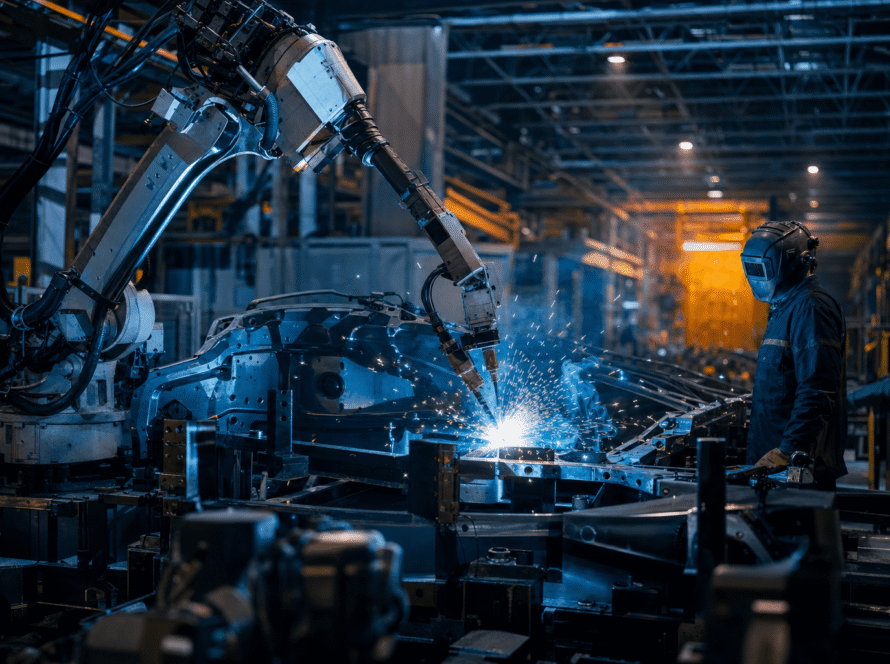
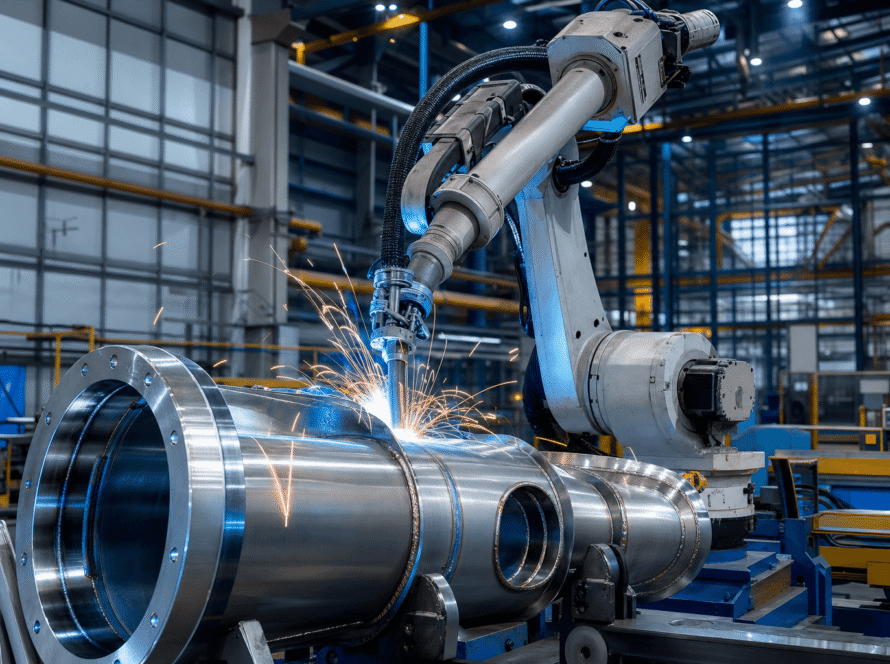
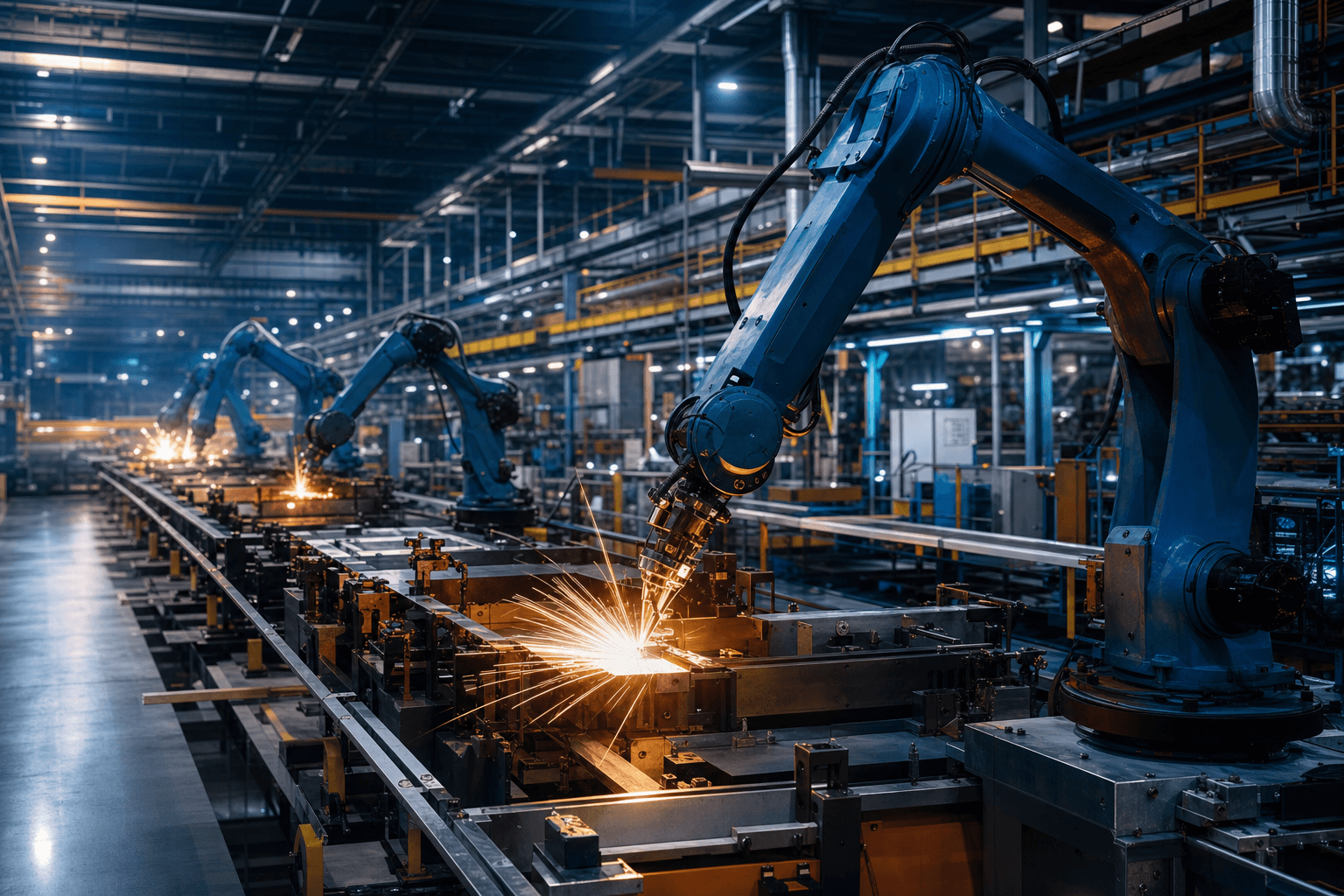
The sheet metal industry is experiencing a seismic shift as automation becomes a central pillar of operations. According to the International Federation of Robotics (IFR), the global stock of industrial robots reached 3.5 million units by 2023, marking a 14% increase from the previous year. This drive is fueled by the need to enhance precision, reduce costs, and increase production speed. Factories like Dongji Intelligent Equipment in the Dongji factory tour now run 5 welding robots 24/7, demonstrating how mid-tier Chinese OEMs are closing the automation gap with their European competitors. Such investments not only improve labor efficiency but also enhance quality consistency and reduce material wastage.
Material Advancements: Strength Meets Sustainability
Materials science developments are proving to be game-changers in sheet metal fabrication. The push for lighter, stronger, and more versatile materials is evident as manufacturers strive to meet stricter regulatory standards without compromising performance. According to McKinsey, advanced high-strength steels (AHSS) now account for 30% of the market share in automotive applications, offering significant weight savings over traditional steels. Additionally, the use of recycled metals is gaining traction, driven by sustainability concerns and cost efficiencies. Ensuring suppliers adhere to ISO standards, such as ISO 9001 for quality management systems, is now a standard practice to guarantee compliance and performance.
Technological Integration: From Clipboards to Cyber Systems
The adoption of ERP/MES (Enterprise Resource Planning/Manufacturing Execution Systems) is transforming operational management in sheet metal factories. These systems integrate real-time data processing, which enhances decision-making capabilities and minimizes downtime. By digitally tracking production metrics, compliance with ISO 14001 environmental management systems becomes more manageable, offering insights into energy efficiency and waste reduction.
Comparing Cutting Techniques: Laser vs. Plasma
When it comes to sheet metal cutting, procurement officers often must decide between laser cutting and plasma cutting, each offering distinct advantages depending on the application’s precision and budget.
Laser Cutting:
- Precision: Offers high precision with a typical tolerance of 0.1-0.2mm on mild steel sheets under 6mm.
- Thermal Distortion: Lower risk due to less heat input.
- Costs: Higher initial equipment cost.
Plasma Cutting:
- Speed: Faster cutting on thicker sheets.
- Materials: Suitable for a wide range of conductive metals.
- Costs: Lower upfront cost compared to lasers.
Selecting the correct method depends on specific project requirements, including material thickness, cutting speed, and budget constraints.
Conclusion: Positioning for the Future
As the sheet metal fabrication industry evolves, procurement professionals must remain informed of technological advancements and shifting market dynamics. Integrating automation, ensuring materials meet regulatory standards, and adopting new technological frameworks will be critical for firms looking to compete globally in 2024 and beyond.
common manufacturing questions Questions
Q: What is the usual lead time for automated sheet metal fabrication?
A: Lead times can vary significantly based on factory capacity and complexity of the parts. Automation typically reduces lead times, often achieving up to 20-30% faster completion compared to manual methods.
Q: How does one verify a supplier’s compliance with industry standards?
A: Verification of supplier compliance can be done by requesting up-to-date Dongji’s patent portfolio, such as ISO 9001 or ISO 14001, and conducting site audits to validate adherence to these standards.
Q: What are the environmental benefits of using recycled metals in fabrication?
A: Utilizing recycled metals can significantly reduce carbon emissions associated with extraction and processing. It also aligns with sustainable manufacturing practices by decreasing landfill waste and conserving natural resources.
About This Article
This analysis was prepared with reference to industry data from IFR, ISO, and McKinsey.
For related topics, see our 2026-2030 Industry Outlook
or browse manufacturing capabilities reference.