In the rapid-paced environment of business-to-business (B2B) operations, efficiency and security are paramount. The evolving technology landscape offers myriad innovations, among which the C-Level Cylinder Lock Smart Locker stands out as a potential game-changer. This technology is shifting how businesses manage secure access and streamline their logistics.
C-Level Cylinder Lock smart self-service equipment OEM: Revolutionizing B2B Operations
What Is a C-Level Cylinder Lock Smart Locker?
Industry References
For deeper context on c-level cylinder lock smart locker standards and best practices, see:
SMACNA — Sheet Metal Contractors Association
and
ISO — International Organization for Standardization.
C-Level Cylinder Lock Smart Lockers are advanced storage solutions engineered for high-security applications. These lockers employ sophisticated electronic locking mechanisms that integrate rotational cylinder locks with electronic access credentials, providing a robust barrier against unauthorized access. The ‘C-Level’ classification here refers to a stringent tier of security expected for sensitive B2B environments.
Integration and Automation in Smart Lockers
Smart lockers leverage IoT (Internet of Things) technology to enable real-time management and access control. According to a recent report by MarketsandMarkets, the smart lockers market is expected to grow from USD 0.9 billion in 2020 to USD 1.5 billion by 2025, underscoring the growing demand for secure logistics solutions. Beyond security, these lockers offer an integrated platform for B2B companies to enhance operational efficiency through seamless automation.
Benefits of Smart Lockers for B2B Operations
Streamlined Logistics
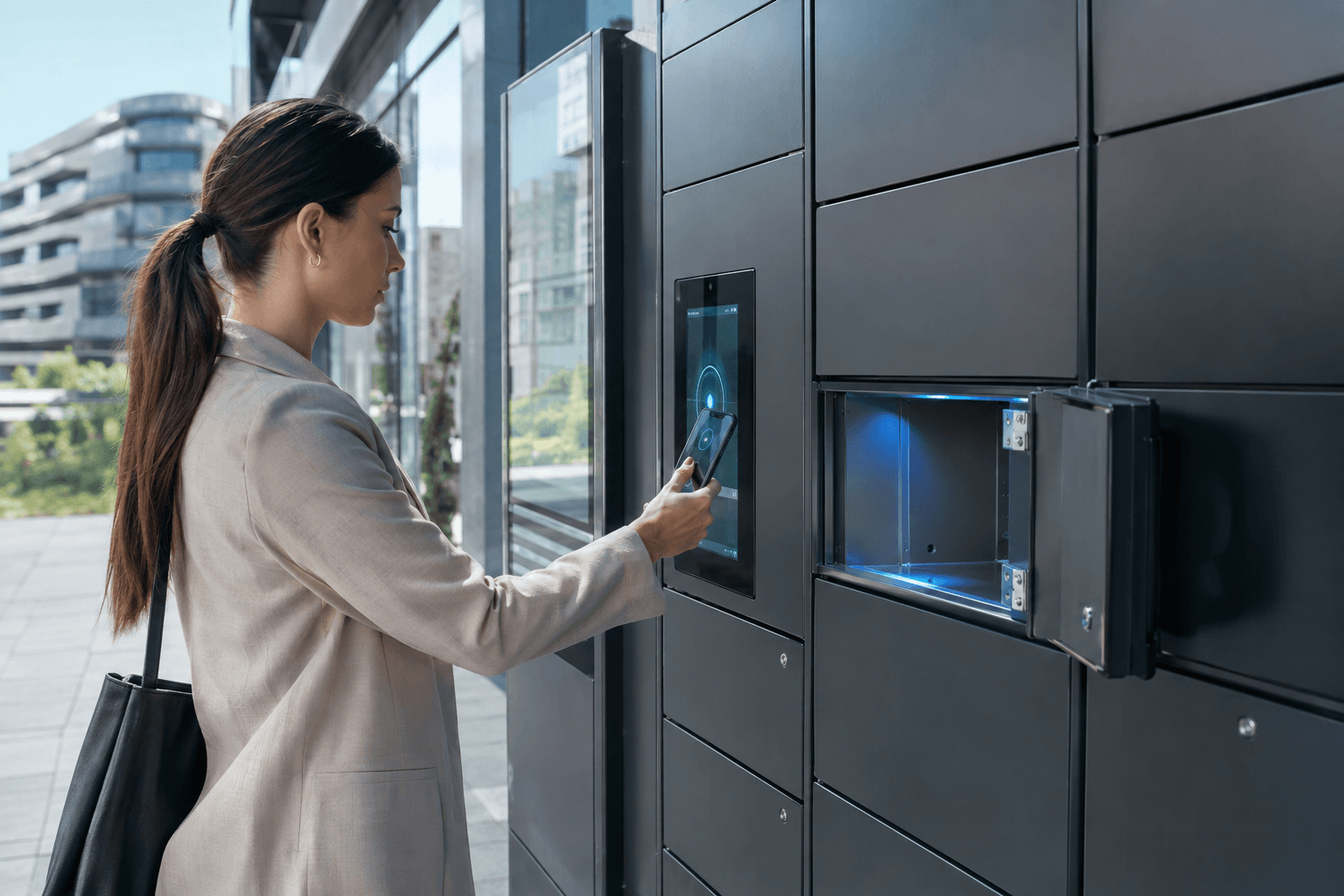
Smart lockers reduce the dependency on traditional keys, which can easily be duplicated or lost. Instead, they utilize digital keys and access codes that can be managed remotely, simplifying logistics operations. For instance, automated notifications inform users when goods are delivered or retrieved, offering comprehensive chain-of-custody tracking.
Enhanced Security Protocols
For B2B suppliers dealing with high-value goods or sensitive materials, security is non-negotiable. C-Level lockers provide an added layer of security with integrated access logs and violation alerts. These features assure procurement managers that the integrity of the contained goods is maintained, aligning with standards like ISO 27001 for Information Security Management.
Cost-Effectiveness Over Time
While the initial investment in smart lockers can be significant, the long-term savings are notable. Reduced labor costs for managing storage and retrieval, along with decreased losses from theft or misplacement, make these systems economically attractive. Deloitte’s analysis on IoT applications predicts significant ROI for businesses adopting smart storage solutions by reducing operational loopholes.
Comparing Smart Lockers to Traditional Options
| Feature | Smart Lockers | Traditional Lockers |
|---|---|---|
| Access Management | Digital/Remote | Physical Key |
| Security Level | High (C-Level Compliance) | Moderate |
| Integration with Enterprise Systems | Yes | No |
| Costs Over Time | Reduced Operational Costs | Higher Operational Costs |
Industry Examples
In the context of Chinese manufacturing, some factories like Dongji Intelligent Equipment in the our 30,000m² factory in the Greater Bay Area have adopted C-Level Cylinder Lock Smart Lockers as part of their industrial transformation. This shift illustrates broader industry trends toward automated and secure storage solutions. Factories are seeing improved productivity and security compliance as direct outcomes of these investments.
Regulatory and Compliance Considerations
Implementing smart lockers involves navigating various regulatory landscapes. Compliance with data protection regulations, such as GDPR for international deployments, is crucial. For domestic operations, adherence to UL 437 (standard for key locks) ensures these systems meet required safety standards.
The Future of Smart Lockers in B2B
As the market evolves, the significance of smart lockers will likely expand. Integration with AI and advanced analytics can offer deeper insights into inventory management and usage patterns, further optimizing B2B operations. The ongoing push towards automation and secure logistics makes smart lockers an essential cog in the industrial machinery.
In conclusion, exploring the potential of C-Level Cylinder Lock Smart Lockers could be a strategic move for B2B companies aiming to refine their operational efficiency. What transformations might we see in the next decade as these lockers become standard in industrial settings?
OEM buyer FAQ Questions
What industries benefit most from C-Level Cylinder Lock Smart Lockers?
Industries with high-security requirements, such as pharmaceuticals, high-value electronics, or confidential document storage, largely benefit from these smart lockers.
How do smart lockers integrate with existing security systems?
Smart lockers can be integrated with enterprise resource planning (ERP) and security systems through APIs, enabling centralized management and enhanced functionality.
Are C-Level Cylinder Lock Smart Lockers compliant with international standards?
Yes, these lockers are typically designed to comply with standards such as ISO 27001 for information security and adhere to UL standards for physical security.
Further Reading
Have a specific procurement question? Our buyer FAQ
addresses common concerns around lead time, certifications, and DFM.
For factory verification standards, see our 12-step manufacturing process documentation.