Understanding Industrial Enclosure Design
The Complexities of Smart Vending Machine Design
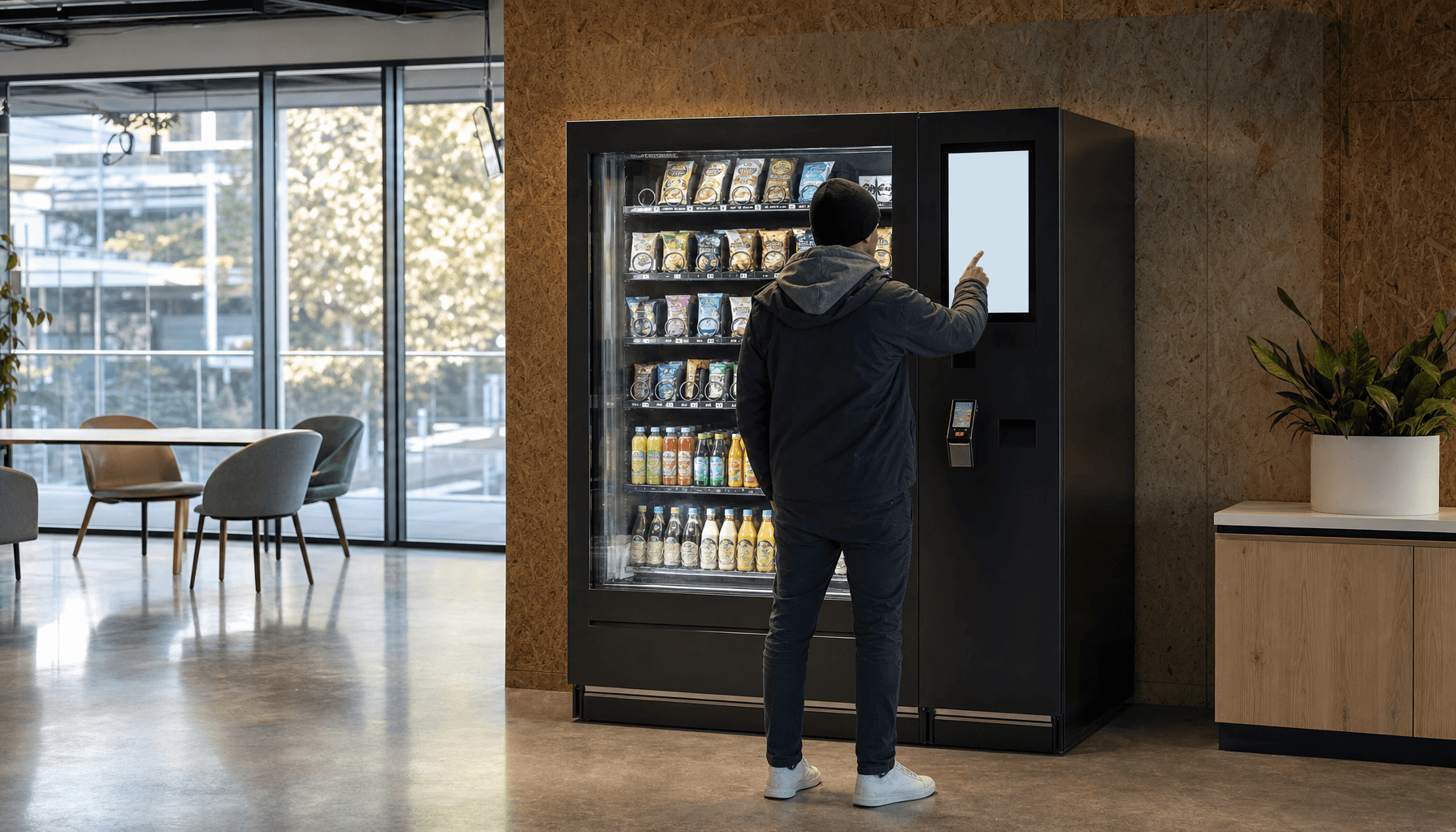
The burgeoning smart vending machine market, valued at $2.04 billion in 2026 and projected to grow to $4.44 billion by 2035, is a testament to how these devices are much more than mere “metal boxes” (Market research, 2026-2035). Understanding the various elements that go into the design of these machines is crucial for any procurement manager or B2B reader looking to invest wisely.
The Role of Payment Integration
One of the most significant advancements in smart vending machines involves the seamless integration of complex payment systems. Gone are the days of coin-only mechanisms; today’s units can handle cashless payments, digital wallets, and even cryptocurrency transactions. This shift towards digital is compliant with ISO 12812, which governs mobile and online payment standards across industries.
Catering to Diverse Payment Needs
Adequate payment system integration ensures increased consumer convenience and increased sales. For instance, by utilizing embedded payment technologies, like NFC and RFID, smart vending units allow for contactless transactions, meeting the consumer’s need for speed and ease.
Refrigeration and Zoned Storage
Another critical feature is the machine’s ability to maintain products at optimal temperatures. These systems often use advanced thermal management technologies, adhering to IEC 60335 safety standards for household and similar electrical appliances. Efficient refrigeration zones ensure that perishable goods remain fresh, expanding the range of products that can be vended.
Planogram Constraints
Efficient product placement within a vending machine, known as planogram design, requires thoughtful structuring. It not only involves organizing products for maximum visibility and sales but also maintaining balance to avoid tilting the vending unit, especially critical in earthquake-prone areas. While maximizing space, designers must also ensure compliance with regulatory standards like ASTM E985, which requires sturdy construction for stationary storage devices.
ADA Height Compliance
The Americans with Disabilities Act (ADA) height compliance is non-negotiable in the design of modern vending machines, ensuring accessible design for all users. Key components like card readers and touchscreen interfaces must be within reach of all users, complying with ADA guidelines published by the U.S. Access Board.
Engaging Real-World Examples
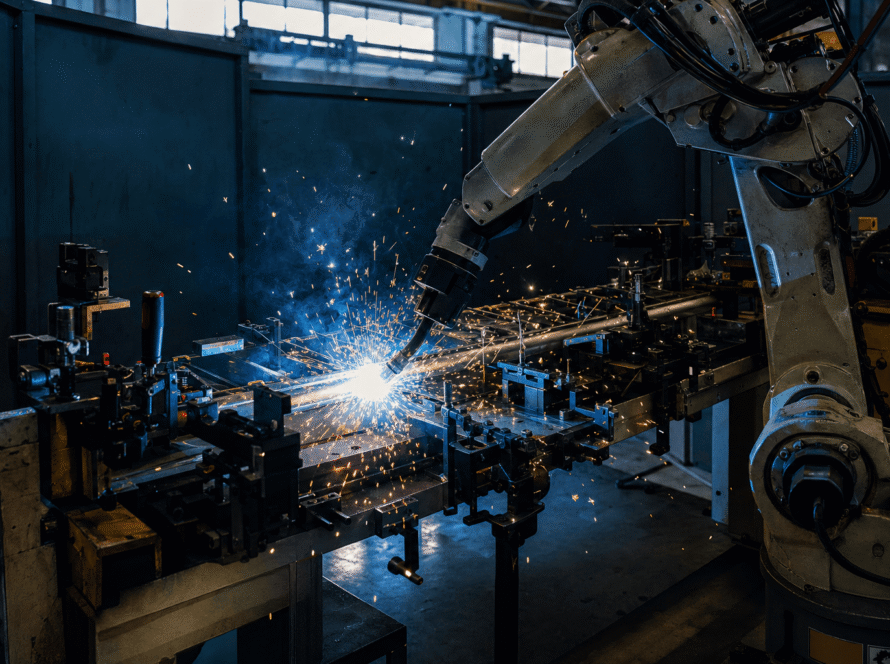
Companies like Dongji Intelligent Equipment showcase how new technologies and precision engineering are revolutionizing this market. Their smart vending machines feature advancements from CNC bending to robotic welding, offering scalability and variety in design. While Dongji serves as an illustrative example, it’s their adaptation of broader trends and standards that truly drives the market forward.
FAQ
- What standards apply to smart vending machines?
Key standards include ISO 12812 for payment systems and IEC 60335 for safety in electrical appliances. - What are the main components of a smart vending machine?
Primary components include advanced payment systems, refrigeration units, and ADA-compliant access. - Why is planogram important in vending machines?
Effective planogram design maximizes space utilization and ensures product safety and accessibility.
Industry References
Version 1.0 — Published November 11, 2026 · Editorial review window: 90 days