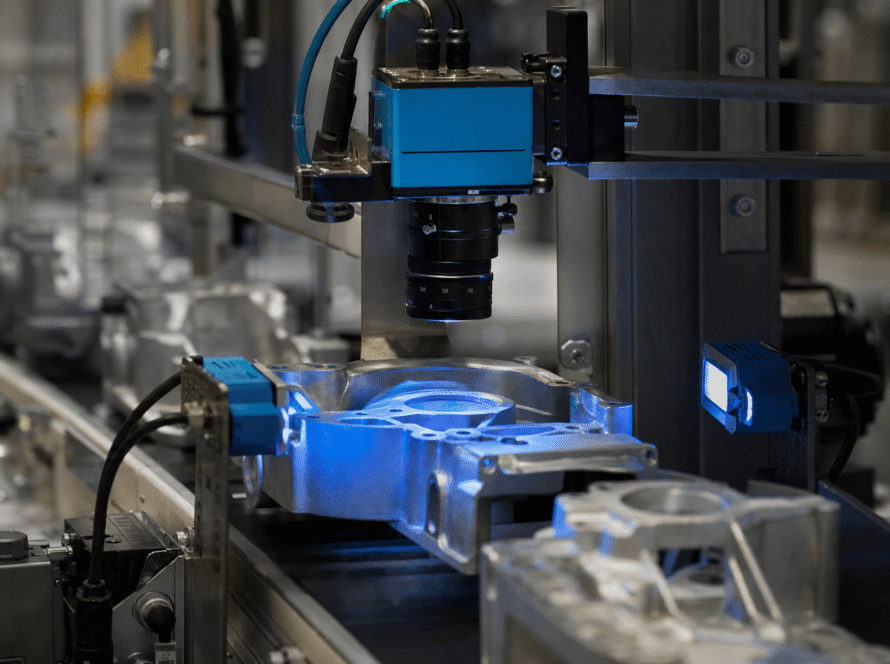
CNC Bending: Why Tolerance Matters
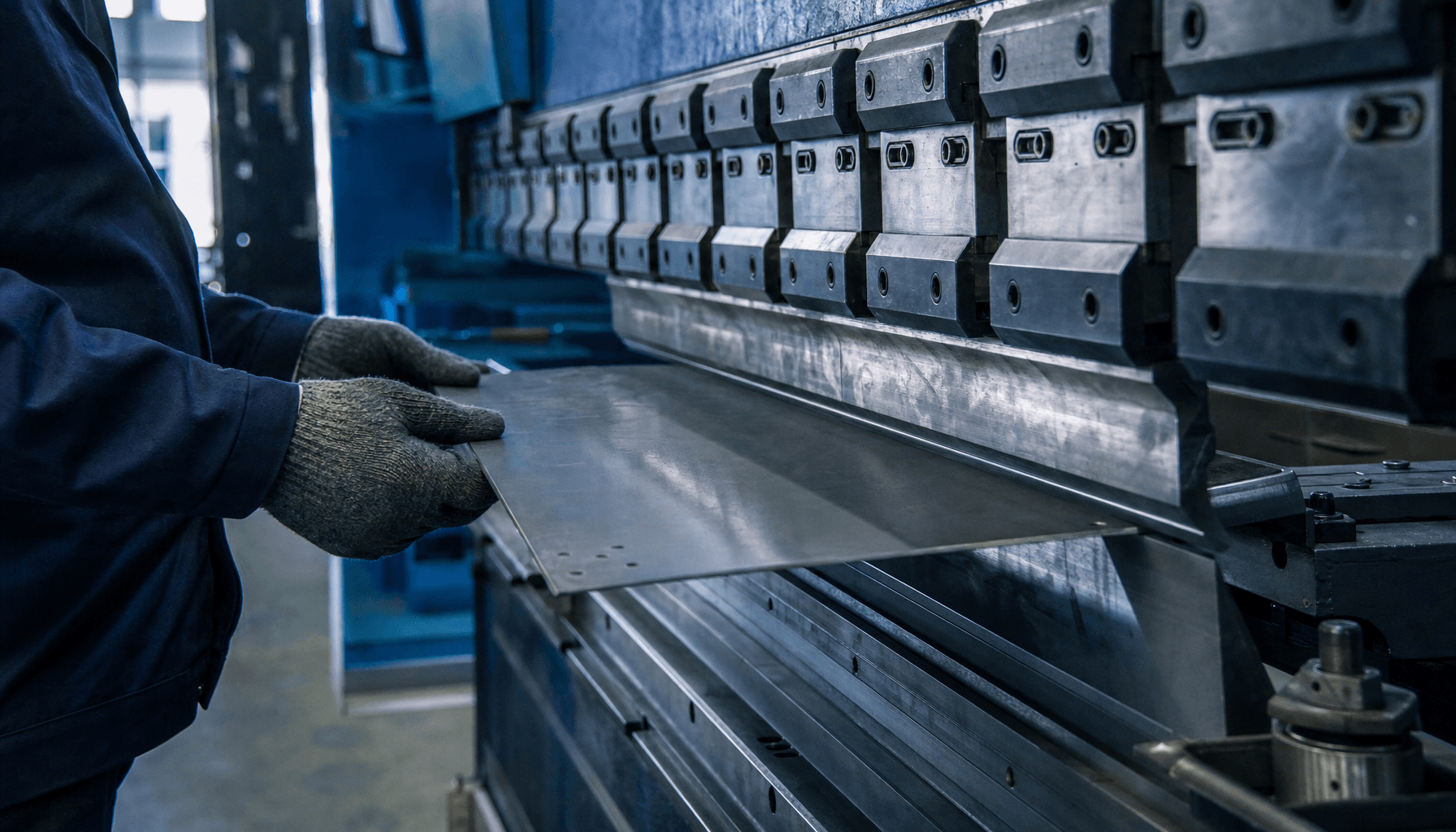
The Importance of CNC Bending Tolerance in Manufacturing
In the intricate world of sheet metal manufacturing, even the slightest deviation in bending tolerance can lead to significant cost implications and logistical challenges. The global sheet metal fabrication market, valued at approximately $181.8 billion in 2024, highlights the economic scale of this industry (Industry research, 2024-2030). As we project towards $272.2 billion by 2030, understanding the nuances of manufacturing precision is vital for OEM buyers.
Understanding Bending Tolerance
Bending tolerance refers to the permissible deviation from the specified measurement on a manufactured part, often quantified as ±0.1mm or ±0.3mm in the industry. This seemingly small variation can dictate the fit and function of components, making it crucial in applications such as cabinet enclosure assembly. The difference of 0.2mm between these tolerances might appear negligible, but in large-scale production, it translates to significant assembly efficiency and alignment issues, impacting cost and quality.
Cost Implications for OEM Buyers
For Original Equipment Manufacturers (OEMs), variation in CNC bending tolerance can lead directly to increased costs. Ensuring higher precision often requires advanced technology and skilled labor, potentially raising production expenses. However, these upfront costs can save substantial amounts in reduced waste, reworks, and assembly line inefficiencies. According to industry data, integrating precision through robotics has helped over 60% of heavy machinery manufacturers optimize their processes (Dongji 2026-2030 Outlook, 2024).
Industry Standards and Technological Integration
Standards such as those set by the International Organization for Standardization (ISO) and the International Electrotechnical Commission (IEC) provide benchmarks for manufacturing consistency and quality. These frameworks ensure that when companies, like Dongji Intelligent Equipment, employ precise tolerances, they also adhere to global quality standards. Technology such as laser cutting and robotic welding also play pivotal roles in maintaining accuracy and efficiency across production lines, promising higher quality outcomes and competitive advantages in the marketplace.
FAQ
What is CNC bending tolerance?
This term describes the acceptable range of variation in measurements during the CNC bending process, critical for precision in manufacturing.
How does tolerance affect costs?
More precise tolerances reduce waste and errors but can increase initial production costs due to advanced technology requirements.
Why are industry standards important?
Standards ensure consistent quality across global markets, helping manufacturers like Dongji meet rigorous consumer demands.
Industry References
Version 1.0 — Published November 13, 2026 · Editorial review window: 90 days