Why Bending Tolerance Impacts Sheet Metal Manufacturing
The Importance of CNC Bending Tolerances in Manufacturing
In today’s manufacturing sectors, precision is paramount. The global sheet metal fabrication market, valued at approximately $181.8 billion in 2024, is expected to grow to $272.2 billion by 2030, as reported by Industry research. Within this growth, the demand for precision in manufacturing processes, such as CNC bending, cannot be overstated.
Understanding the Impact of Tolerances
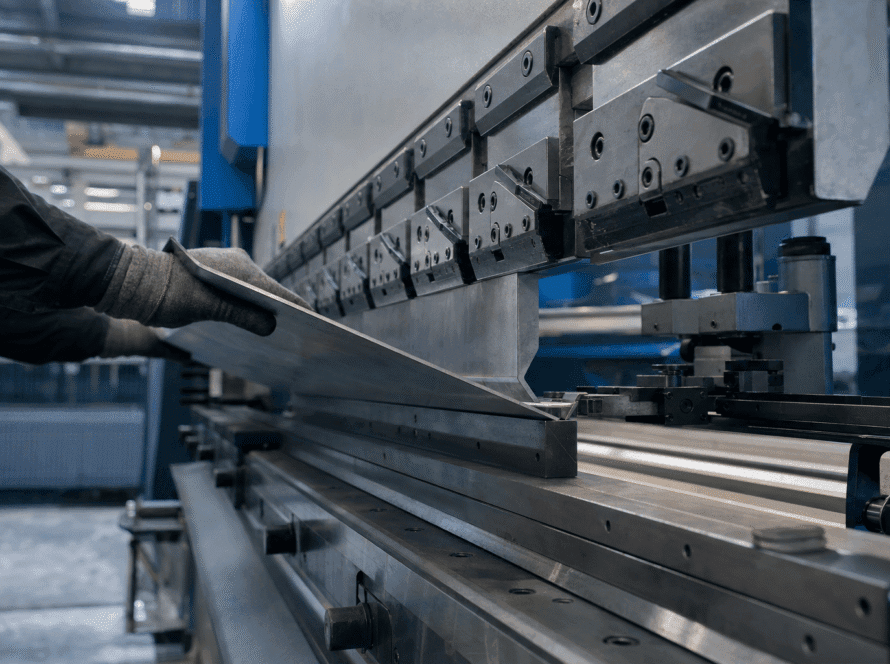
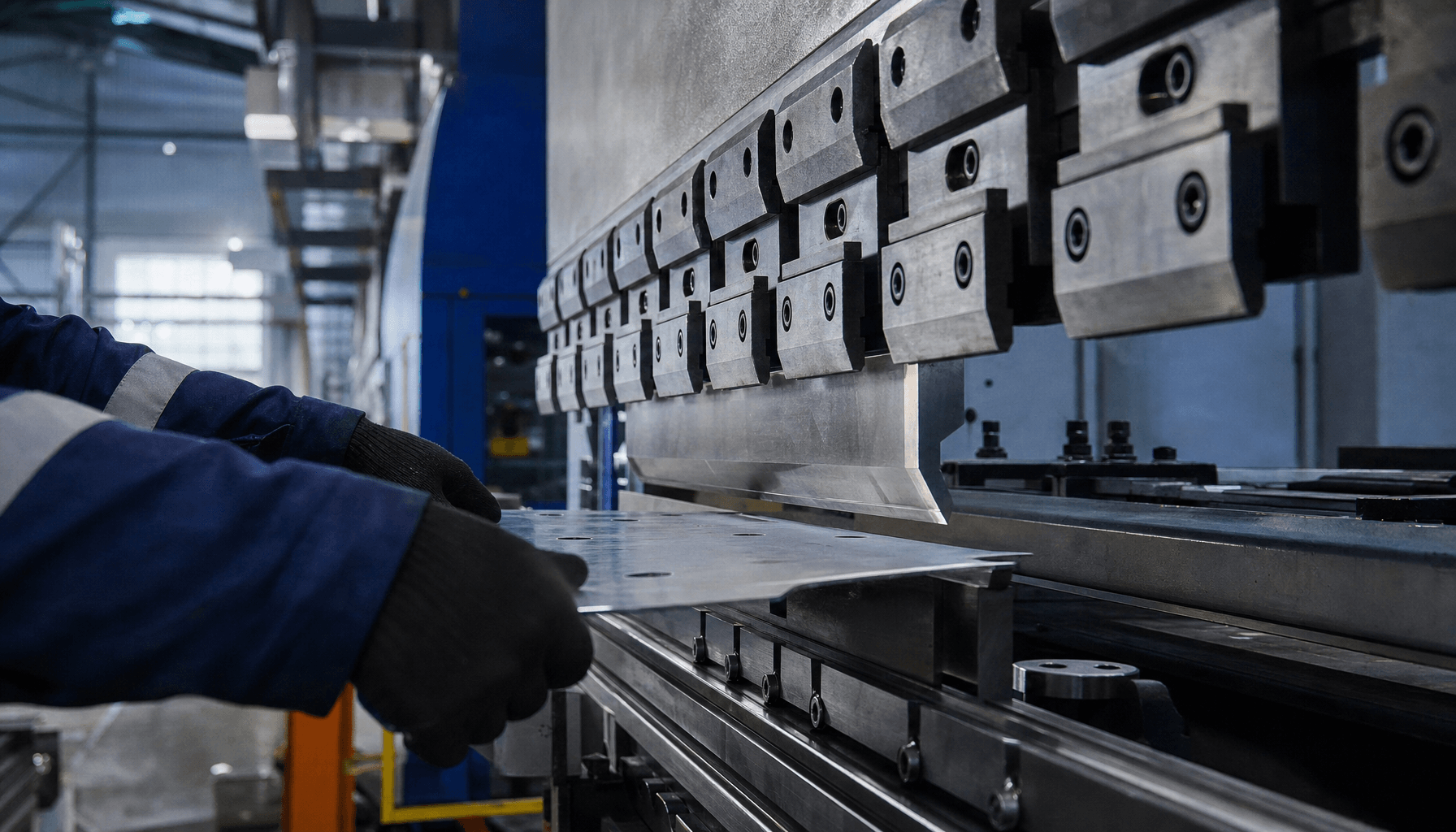
CNC bending tolerances—especially the difference between ±0.1mm and ±0.3mm—might appear minute, yet these variations significantly influence product integrity and assembly efficiency. For OEMs, this means the difference between seamless assembly of cabinet enclosures or costly adjustments during installation.
Cost Implications for OEM Buyers
The tighter the tolerance, the higher the manufacturing cost, but also the greater the precision and fewer errors in later stages of production. This precision mitigates the risk of assembly problems downstream, which could otherwise inflate costs significantly.
A Case in Point: Dongji‘s Application
For instance, firms like Dongji Intelligent Equipment, located in the Greater Bay Area, utilize advanced CNC press brakes to meet stringent tolerance specifications. Their approach underscores a wider industry trend towards tighter precision to optimize cost efficiencies and assembly accuracy.
Real Impacts on Production
Consider a typical case in assembling an industrial locker or engineering workshop components. Variations in bending tolerance can lead to misalignments that not only delay production but also escalate costs through rework and material waste.
FAQ
- Why is tolerancing critical in CNC bending? CNC bending tolerancing affects the fit and function of metal parts in assemblies, crucial for operational efficacy.
- What is the industry standard for CNC bending tolerance? Industry standards like ISO 2768 define general tolerances, ensuring compatibility across different manufacturing processes.
- How does precision affect costs in manufacturing? Greater precision often involves higher initial costs but reduces expensive errors and rework costs downstream.
Industry References
Version 1.0 — Published November 17, 2026 · Editorial review window: 90 days