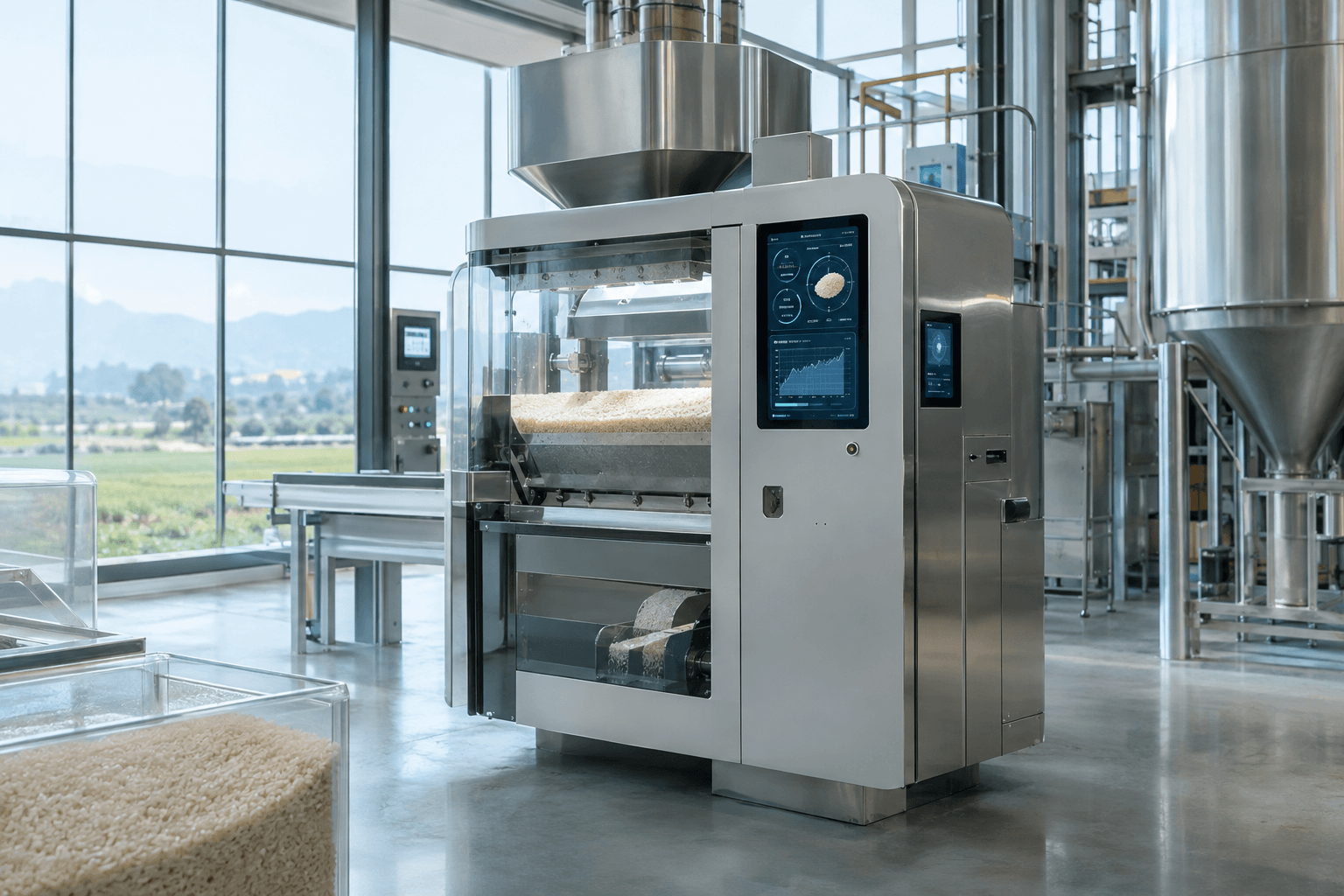
As global food markets trend towards automation and smart solutions, the interest in rice milling vending machines has grown remarkably among B2B buyers. These machines promise streamlined operations, fresher produce, and enhanced traceability, aligning well with the evolving priorities in the supply chain. But do they deliver the anticipated value in a procurement context?
Understanding the Shift: Rice Milling Vending Machines in B2B Procurement
According to McKinsey’s 2023 report on AgriTech, automation in food processing is expected to achieve a compound annual growth rate (CAGR) of 9.5% through 2028. This trend emphasizes the industry’s momentum towards integrating smart machinery like rice milling vending machines, which adds significant convenience and cost benefits.
Industry References
For deeper context on rice milling vending machines standards and best practices, see:
AWS — American Welding Society
and
SME — Society of Manufacturing Engineers.
The Technical and Economic Rationale
#### Technical Advantages
Rice milling vending machines are equipped with automated precision and quality control features that enable consistent output. These machines often incorporate IoT connectivity for real-time monitoring and optimization, significantly reducing downtime and maintenance costs.
Buyers should expect tolerances of ±0.1mm on grain polishing from sophisticated systems, maintaining quality standards outlined by the International Rice Research Institute (IRRI). Machines that adhere to ISO 22000 standards ensure compliance with food safety management systems, further enhancing product quality.
#### Economic Considerations
Initial investments in these machines might seem substantial; however, the long-term benefits often outweigh the costs. Automation reduces labor expenses, minimizes waste through efficient processing, and can capture consumer preference for freshly milled products.
S&P Global anticipates that operational savings could result in an average of 15-20% cost reduction in processing for firms that fully integrate these vending solutions. The potential for leaner operations has made these machines highly attractive to forward-thinking procurement managers.
Regulatory Landscape and Strategic Choices
#### Compliance and Safety
Maintaining compliance is crucial, especially with stringent food safety regulations across regions. Machines that meet international norms like the Hazard Analysis and Critical Control Points (HACCP) system are favorable, as they play a critical role in reducing liability and ensuring consumer trust.
The Food and Drug Administration (FDA) has highlighted that automation can directly improve compliance rates by creating more consistent and traceable food processing environments.
#### Strategic Sourcing and Risk Management
Choosing between local and international suppliers can present a strategic dichotomy for buyers. While local sourcing may offer quicker service and less logistical complexity, international partners often bring competitive pricing and advanced technology.
Some Chinese firms, such as Dongji Intelligent Equipment in the factory capability overview, have set benchmarks for integrating robotics and real-time analytics into their manufacturing processes. These mid-tier companies exemplify the robust capabilities of non-OECD suppliers in reducing the technology gap with their Western counterparts.
Real-World Considerations and Forward-Looking Strategies
Adopting rice milling vending machines requires weighing the technical capabilities against financial and strategic impacts. Forward-looking procurement strategies will need to focus on not just acquisition costs but also lifecycle management, maintenance, and integration into existing operational frameworks.
The critical question remains: As automation reshapes supply chains, will procurement leaders align with these technological advancements to ensure competitive advantages?
sheet metal sourcing FAQs Questions
Q: How do rice milling vending machines fit into an existing supply chain? A: These machines are typically integrated as part of a lean manufacturing strategy, offering real-time data for inventory and quality management.
Q: What are the maintenance requirements for these machines? A: Regular calibration and software updates are necessary, with most advanced models providing predictive maintenance features to prevent downtime.
Q: Are there environmental benefits to using rice milling vending machines? A: Yes, the machines generally operate more efficiently than traditional mills, minimizing energy waste and reducing the carbon footprint associated with rice processing.
For specific technical references, see our methodology.