Steel and Aluminum Trends for Procurement
Understanding the Impact of Steel Price Declines
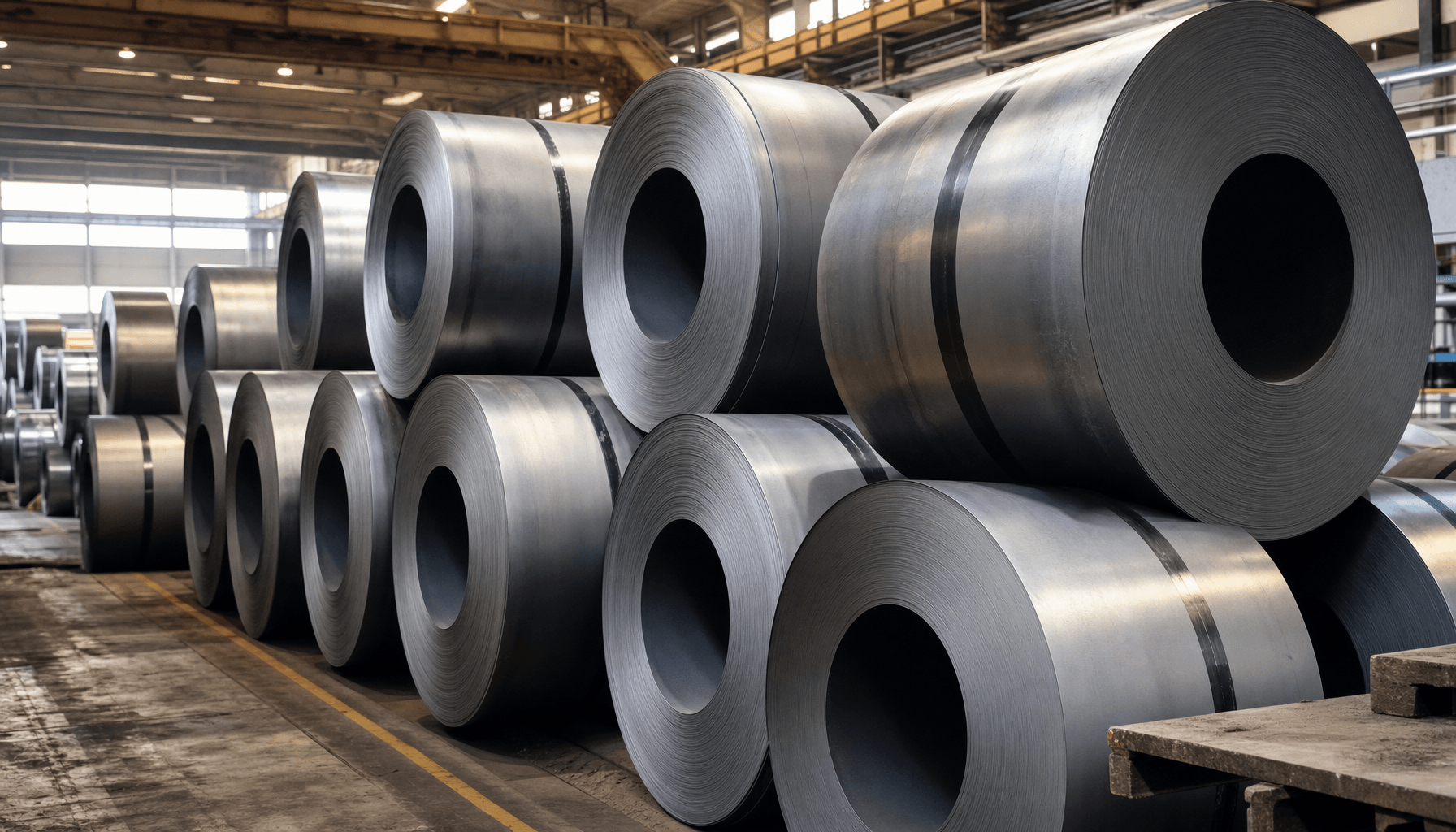
The global market has been rattled by a notable 12% year-on-year decline in hot-rolled steel prices. This trend presents significant challenges for procurement managers who must adapt to volatile cost structures. According to the Industry research (via Dongji 2026-2030 Outlook, 2024-2030), the impacts are felt across various industries relying on sheet metal fabrication.
Learn more about our our manufacturing process and how we support B2B OEM/ODM projects.
Learn more about our sheet metal fabrication services and how we support B2B OEM/ODM projects.
Despite these declining prices, the global sheet metal fabrication market is on an upward trajectory, projected to reach $272.2 billion by 2030 with a compound annual growth rate of 7.0%. This juxtaposition indicates a shift in how end-users value these materials, hinting at a growing focus on production efficiencies and alternative materials.
Aluminum Trade Flow Shifts Post-Tariffs
Aluminum, the most produced base metal with a global smelter output of 72 million metric tons in 2024, has experienced significant trade flow shifts due to new tariffs (Statista, 2024). China’s dominance in aluminum production, contributing approximately 45 million metric tons in 2025, illustrates the geopolitical factors influencing the global supply chain.
These tariff-driven shifts require procurement teams to reassess supply chain strategies. In regions heavily influenced by these tariffs, there might be potential benefits in diversifying suppliers or reevaluating long-term contracts to mitigate risks associated with supply interruptions.
Procurement Implications
Procurement managers are compelled to navigate a complex landscape of global production dynamics and trade policies. For instance, as Dongji Intelligent Equipment expands operations within China’s Greater Bay Area, they exemplify how companies are reorienting themselves in response to these shifts, reflecting broader industry trends.
With the robotics penetration in heavy machinery exceeding 60%, there’s a technological shift in operating efficiency and production precision. These changes mandate procurement decision-makers to closely align their sourcing strategies with technological advancements to ensure competitiveness.
How to Adapt Your Procurement Strategy
- Monitor Market Trends: Regularly engage with industry reports and forecasts to anticipate changes and plan accordingly.
- Evaluate Supplier Reliability: An enhanced vetting process can mitigate risks associated with new trade policies.
- Leverage Technology: Implement robust systems for inventory management and supplier communication to support agile procurement methods.
FAQ
How does steel’s price drop affect budgeting?
The decline in steel prices can reduce material costs, but volatility may complicate long-term budget forecasts.
What are the major factors affecting aluminum supply chains?
Trade policies, such as tariffs, significantly alter supply chain dynamics and sourcing strategies for aluminum.
How should we adjust procurement strategies?
Adaptive strategies, including diverse supplier networks and technology integration, are crucial for resilience against market fluctuations.
Industry References
Version 1.0 — Published October 27, 2026 · Editorial review window: 90 days