MENA’s Industrial Procurement Trends
Understanding the MENA Procurement Shift
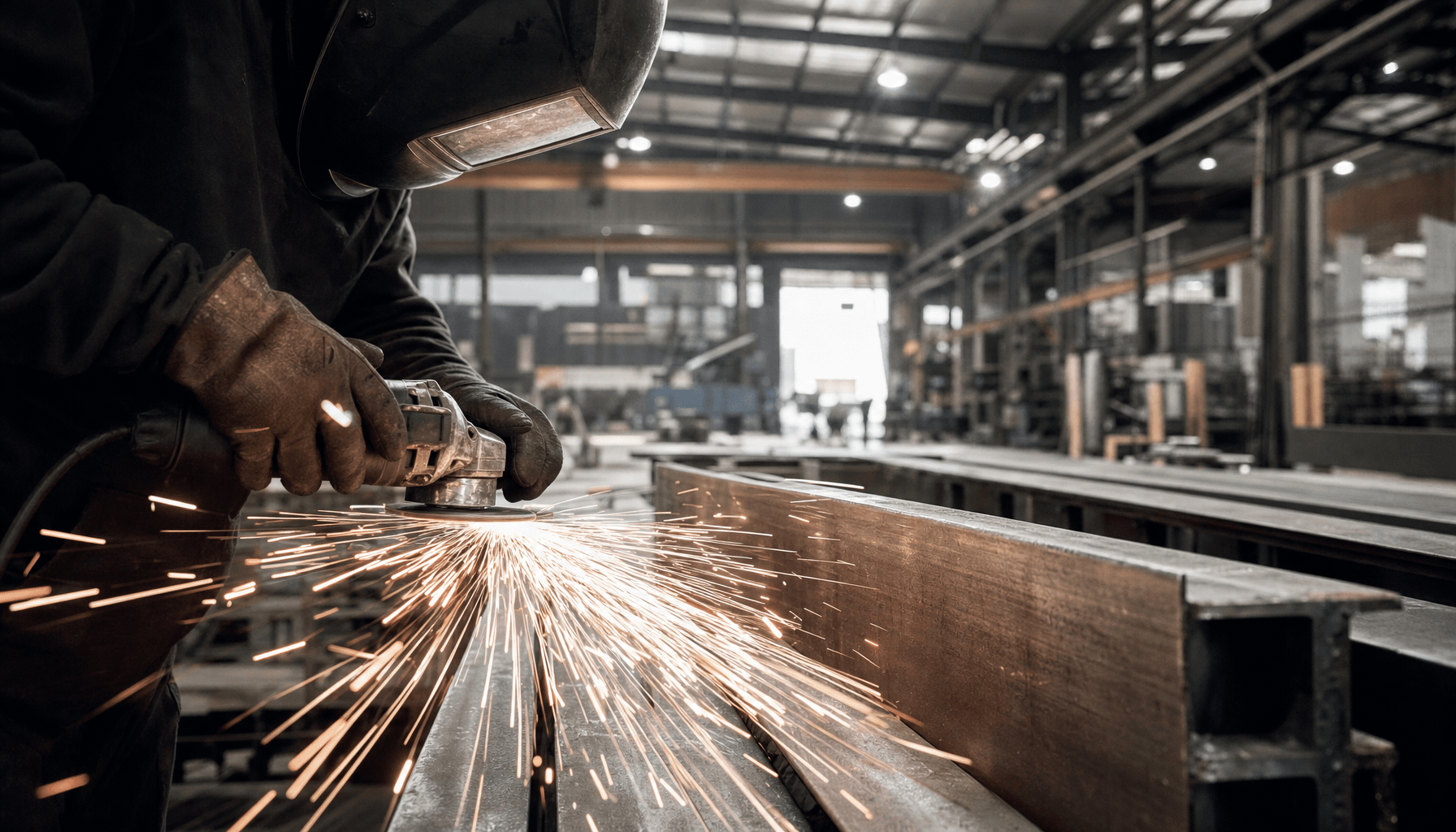
The industrial sector in the Middle East and North Africa (MENA) is undergoing a significant transformation driven by Saudi Vision 2030. A dedicated focus on infrastructure development and technological advancement has catalyzed a wave of industrial procurement from international markets, notably China. But why is this shift gaining momentum, and what does it entail for local industries?
Learn more about our our manufacturing process and how we support B2B OEM/ODM projects.
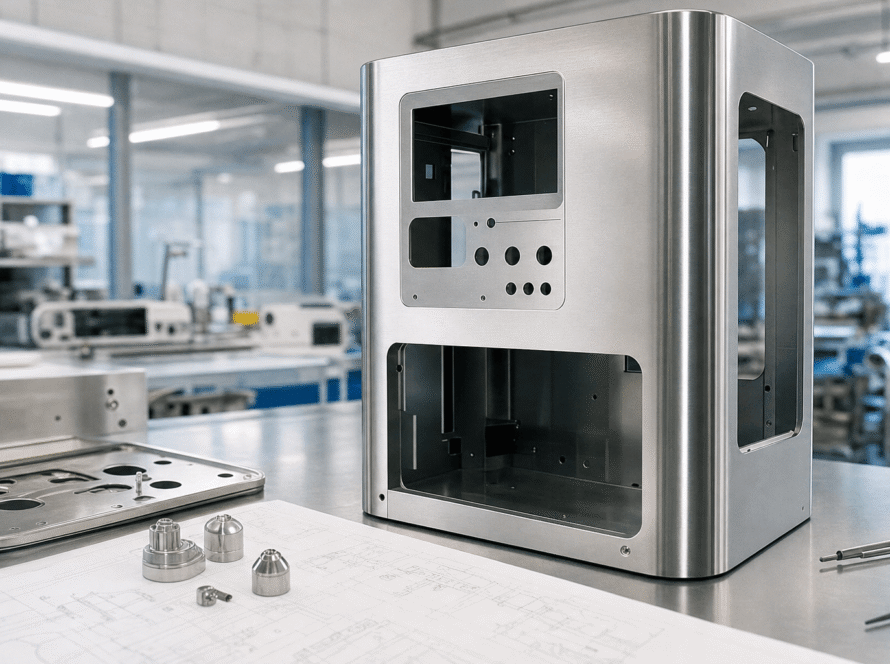
Learn more about our sheet metal fabrication services and how we support B2B OEM/ODM projects.
China’s Role in Industrial Automation
China has become a preferred supplier due to its leadership in industrial automation. The global sheet metal fabrication market, for instance, is projected to grow to $272.2 billion by 2030 (Industry research via Dongji 2026-2030 Outlook). This growth coincides with China’s dominance in base metals, as it alone produced approximately 45 million metric tons of aluminum in 2025 (Statista, 2025). The expanding penetration of robotics in heavy machinery, now exceeding 60% (Dongji 2026-2030 Outlook, 2024), highlights China’s technological prowess and manufacturing capabilities.
Compliance with Localization Standards
For MENA buyers, sourcing from China is not just about cost-effectiveness; it’s also about meeting regional localization requirements such as the Saudi Standards, Metrology and Quality Organization (SASO) and the Gulf Mark (G-Mark). These standards ensure that imported products meet specific safety and quality benchmarks crucial for the region’s industrial landscape.
Localization is a critical consideration for businesses aiming to establish or expand their operations in MENA. As an example, Dongji Intelligent Equipment, although primarily a Chinese enterprise, exemplifies how companies adapt their offerings to meet such regulatory demands, ensuring seamless integration into the regional markets.
The Future of Industrial Procurement in MENA
As MENA continues to diversify its economies and industrial bases, the trend of sourcing from technologically advanced markets like China is likely to persist. An ongoing commitment to technological enhancement and compliance will be fundamental to the region’s industrial evolution. By aligning with global standards like ISO and adapting to technological shifts in robotics, MENA’s industrial sector can leverage these advancements to bolster competitiveness and sustainability.
FAQ
- Q: Why is there a trend towards sourcing from China for industrial automation?
A: China’s leadership in automation and production capabilities, coupled with competitive pricing, makes it a preferred supplier.
- Q: What are the key standards MENA buyers must consider?
A: MENA buyers must meet standards like SASO and G-Mark to ensure quality and safety compliance for imported products.
- Q: How does Dongji Intelligent Equipment serve as a model in this shift?
A: Dongji exemplifies how adapting to local standards ensures successful market integration, reflecting broader industry strategies.
Industry References
Version 1.0 — Published November 6, 2026 · Editorial review window: 90 days